
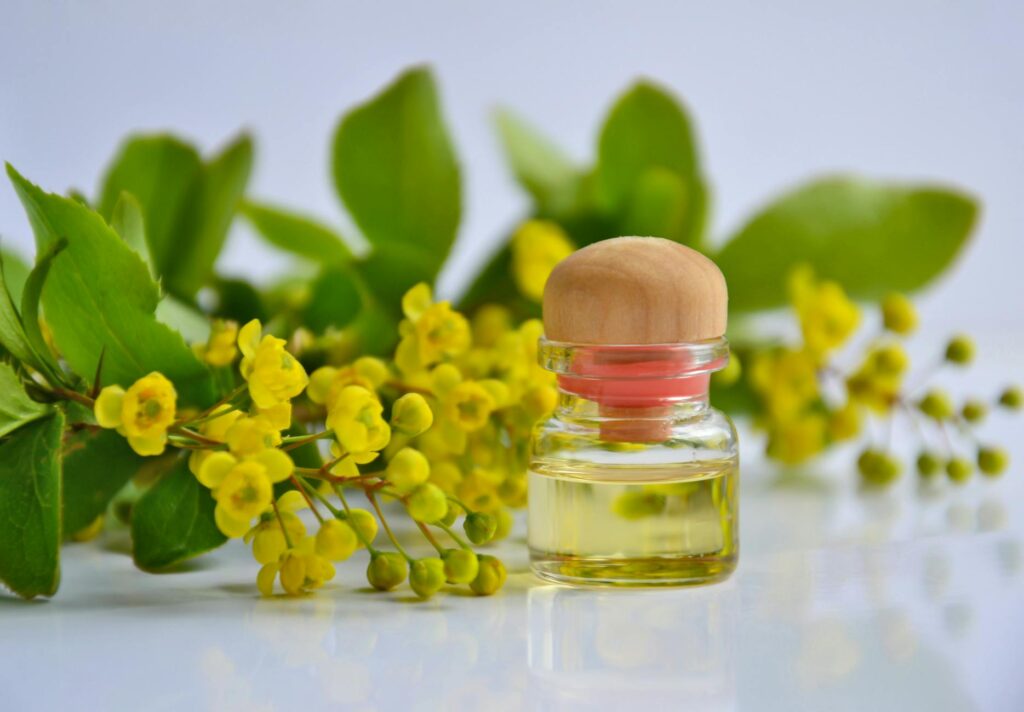
Complete Guide to Herbal Infused Oils for Skincare
Introduction
Herbal infused oils have garnered increasing interest in the realm of skincare, offering a natural alternative to synthetic products. These oils are created by infusing carrier oils with the beneficial properties of herbs, resulting in a versatile product that can be used for various applications. This guide aims to explore the fundamentals of herbal infused oils, their benefits, common uses, and more, equipping readers with the knowledge to incorporate them into their skincare routines.
What Is Herbal Infused Oils for Skincare?
Herbal infused oils are oils that have been infused with the essence of herbs, capturing their beneficial properties. The process typically involves steeping dried or fresh herbs in a carrier oil, allowing the oil to absorb the plant’s nutrients, fragrances, and therapeutic qualities over time. Common carrier oils include olive oil, jojoba oil, and sweet almond oil, each possessing unique properties that complement the infused herbs.
The infusion process can vary in duration and method, but the goal remains the same: to create a potent oil that retains the beneficial characteristics of the herbs used. The resulting herbal infused oils can be used directly on the skin or as a base for other skincare formulations.
Key Benefits and Properties
Herbal infused oils offer numerous benefits for skincare, largely depending on the herbs used. Here are some key properties associated with commonly infused herbs:
1. Antioxidant Properties: Many herbs, such as rosemary and calendula, are rich in antioxidants, which can help protect the skin from free radical damage.
2. Anti-inflammatory Effects: Herbs like chamomile and calendula are known for their soothing properties, making them ideal for calming irritated or inflamed skin.
3. Moisturizing Qualities: Carrier oils, such as coconut or olive oil, provide hydration while the infused herbs can enhance the oil’s ability to retain moisture.
4. Antibacterial and Antifungal Properties: Herbs like tea tree and lavender possess natural antibacterial qualities, making them beneficial for acne-prone skin.
5. Healing and Regenerative Properties: Certain herbs, like comfrey and St. John’s Wort, are known for their wound healing capabilities, promoting skin regeneration and repair.
Common Uses
Herbal infused oils can be utilized in a variety of ways within skincare routines:
1. Moisturizers: They can be applied directly to the skin as a natural moisturizer, helping to hydrate and soften.
2. Massage Oils: These oils are ideal for therapeutic massage, promoting relaxation while providing skin nourishment.
3. Cleansers: Some herbal infused oils can be used as part of a cleansing routine, effectively removing makeup and impurities while conditioning the skin.
4. Hair Treatments: Infused oils can also be beneficial for hair care, providing nourishment to the scalp and strands.
5. Bath Oils: Adding infused oils to bathwater can create a luxurious and aromatic experience, enhancing relaxation while moisturizing the skin.
6. Lotion and Cream Ingredients: Herbal infused oils can serve as a base for homemade lotions and creams, enriching formulations with their natural properties.
Aromatherapy Applications
The aromatic qualities of herbal infused oils can also be harnessed for aromatherapy, providing both physical and emotional benefits. The scent of various herbs can influence mood and well-being, making them valuable additions to holistic practices.
1. Calming Effects: Oils infused with lavender or chamomile can promote relaxation and reduce stress when used in diffusers or during massage.
2. Invigorating Scents: Citrus-infused oils, such as lemon or orange, can uplift mood and energize spaces, making them a popular choice for aromatherapy.
3. Balancing Properties: Herbs like rosemary may help enhance mental clarity and focus, making them suitable for study or work environments.
When using herbal infused oils for aromatherapy, it’s essential to consider personal preferences and sensitivities, as individual reactions to scents can vary.
Safety Considerations
While herbal infused oils are generally safe for topical use, certain precautions should be observed:
1. Patch Testing: Always conduct a patch test on a small area of skin before using a new product, especially if sensitive skin is a concern.
2. Quality of Ingredients: Use high-quality, organic herbs and carrier oils to ensure the purity and efficacy of the infused oil.
3. Avoiding Allergens: Be mindful of any known allergies to specific herbs or carrier oils.
4. Pregnancy and Nursing: Some herbs may not be suitable for pregnant or nursing women. It is advisable to consult a qualified professional if there are concerns.
5. Dilution: When using infused oils for the first time, consider diluting them with a carrier oil to minimize the risk of irritation.
Storage and Shelf Life
Proper storage of herbal infused oils is crucial to maintaining their quality and extending their shelf life. Here are some tips for storage:
1. Dark Glass Containers: Store oils in dark glass bottles to protect them from light, which can degrade the quality of the oil.
2. Cool, Dry Place: Keep the oils in a cool, dry place away from direct sunlight and heat sources.
3. Labeling: Clearly label containers with the date of infusion and the herbs used to track freshness.
4. Shelf Life: Herbal infused oils typically have a shelf life of 6 months to 1 year, depending on the carrier oil used and storage conditions. Regularly check for any changes in scent, color, or texture to ensure quality.
Frequently Asked Questions
1. Can I make herbal infused oils at home?
Yes, herbal infused oils can be easily made at home using dried or fresh herbs and a carrier oil of your choice. There are various methods, including the slow infusion method using heat or the cold infusion method, which requires patience but can yield high-quality results.
2. What is the best carrier oil for infusion?
The best carrier oil depends on personal preference and skin type. Olive oil, sweet almond oil, and jojoba oil are popular choices among many users for their beneficial properties and mild scents.
3. How do I choose herbs for my infusion?
Select herbs based on their properties and your skincare needs. Research the potential benefits of various herbs and consider your skin type and any specific concerns you may have.
4. Can I use herbal infused oils on my face?
Yes, herbal infused oils can be used on the face, but it’s essential to choose oils and herbs suited for facial skin. Be mindful of the oil’s comedogenic rating, which indicates its likelihood to clog pores.
5. Are there any herbs I should avoid?
Certain herbs may cause irritation or allergic reactions in some individuals. It is advisable to research herbs thoroughly and consult with a knowledgeable professional if in doubt.
Conclusion
Herbal infused oils represent a harmonious blend of nature and skincare, providing a wealth of benefits when incorporated into daily routines. Understanding their properties, uses, and safety considerations will empower individuals to explore this ancient practice and potentially enhance their skincare regimens. By harnessing the power of nature, herbal infused oils can offer a holistic approach to beauty and wellness.