
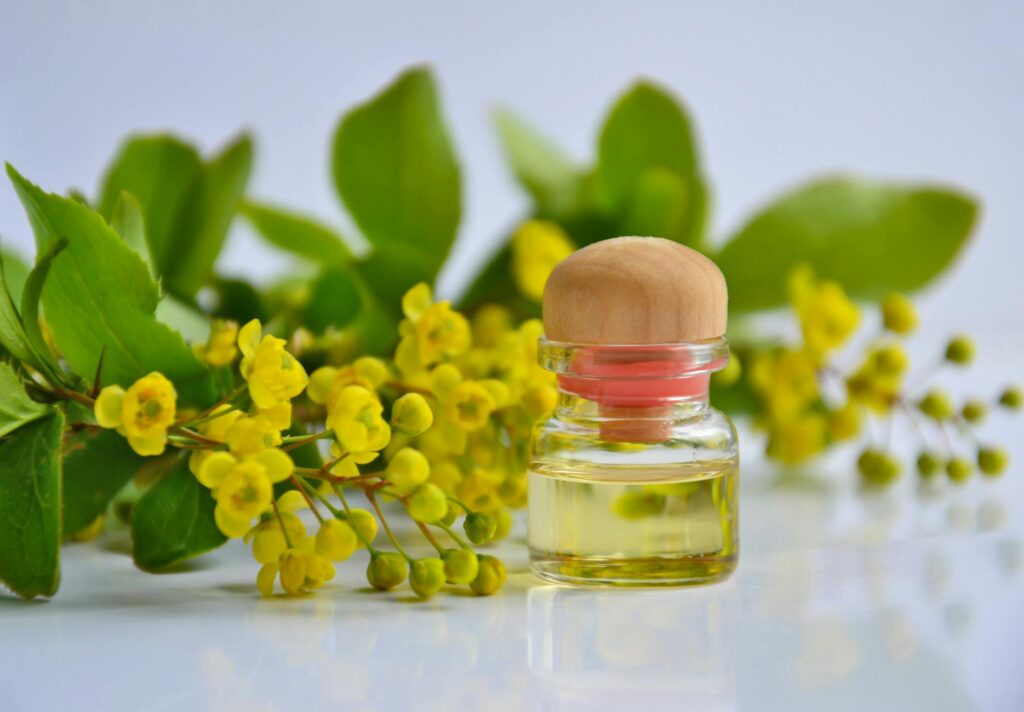
Complete Guide to Herbal Infused Oils Part 5
Introduction
Herbal infused oils have gained significant popularity in recent years due to their versatility and potential benefits. These oils serve as a bridge between the worlds of herbalism and aromatherapy, allowing enthusiasts to harness the properties of various plants in a form that is easy to use. This guide will explore what herbal infused oils are, their benefits, common applications, and more, providing a comprehensive understanding of these fragrant and therapeutic oils.
What Is Herbal Infused Oils?
Herbal infused oils are carrier oils that have been infused with the essence and properties of herbs, flowers, or other botanicals. The infusion process involves steeping the chosen plant material in a carrier oil, enabling the oil to absorb the plant’s active constituents. Common carrier oils include olive oil, jojoba oil, sweet almond oil, and coconut oil. The choice of carrier oil can influence the final product’s scent, texture, and properties.
The infusion process can be done through various methods, including:
1. Cold Infusion: This method involves placing the herbs in a carrier oil and allowing them to steep at room temperature for several weeks. The oil is then strained to remove the plant material.
2. Heat Infusion: In this quicker method, the herbs are gently heated in the carrier oil, allowing for faster extraction of the plant’s constituents. Care must be taken to avoid overheating, which can degrade the oil’s quality.
3. Solar Infusion: This method utilizes sunlight to gently heat the oil, promoting the infusion process over a period of several weeks.
The resulting herbal infused oil has a unique aroma and can carry the therapeutic properties of the herbs used, making it suitable for a variety of uses in personal care, cooking, and aromatherapy.
Key Benefits and Properties
Herbal infused oils are valued for their myriad benefits:
- Therapeutic Properties: Many herbs have been used for centuries in traditional medicine for their potential therapeutic effects. Infusing these herbs into oils can capture and retain their beneficial properties.
- Versatility: These oils can be used in multiple applications, such as massage, skin care, hair care, and culinary uses, making them a staple in many households.
- Natural Alternatives: Herbal infused oils can serve as natural alternatives to synthetic products, offering a more holistic approach to personal care and wellness.
- Skin Nourishment: Many carrier oils are known for their moisturizing properties. Combined with the nutrients from herbs, they can enhance skin health.
- Aromatherapy Benefits: The aromatic qualities of the infused oils can contribute to emotional well-being and relaxation.
- Skin Care: Herbal infused oils can be applied directly to the skin or used as a base for homemade lotions, balms, and creams. They can help with hydration, soothing irritated skin, and providing nourishment.
- Massage: These oils can be used as massage oils, enriching the experience with both the therapeutic properties of the herbs and the physical benefits of massage.
- Hair Care: Infused oils can be applied to the scalp and hair to promote healthy hair growth, add shine, and condition the hair.
- Culinary Uses: Certain culinary herbs can be infused into oils for cooking or as salad dressings, offering both flavor and potential health benefits.
- Aromatherapy: Herbal infused oils can be used in diffusers or added to baths for an aromatic experience, potentially enhancing relaxation and mood.
- Diffusion: Herbal infused oils can be added to a diffuser to fill a space with their aroma. This method is effective for creating a calming atmosphere or uplifting mood.
- Topical Application: When diluted properly, herbal infused oils can be applied to pulse points or used in massage to deliver both the aroma and the potential therapeutic benefits directly to the body.
- Bathing: Adding herbal infused oils to bathwater can create a soothing experience, allowing for both inhalation of the aroma and skin absorption.
- Meditation and Yoga: Using herbal infused oils during meditation or yoga can enhance the experience, helping to ground practitioners and deepen their practice.
- Allergies: Individuals should perform a patch test before using any new oil to check for allergic reactions. Applying a small amount to a discreet area of skin can help identify potential sensitivities.
- Dilution: When using herbal infused oils on the skin, it is crucial to dilute them appropriately, especially if they are potent. A general guideline is to use a 1-2% dilution for topical applications.
- Pregnancy and Nursing: Certain herbs should be avoided during pregnancy and nursing. It is advisable to consult with a knowledgeable professional regarding specific herbs and their safety during these periods.
- Sun Sensitivity: Some herbs, such as citrus, can cause photosensitivity. It is important to avoid sun exposure after applying products containing these oils to prevent skin reactions.
- Quality of Ingredients: Always source high-quality, organic herbs and carrier oils to ensure the purity and efficacy of the infused oil.
- Container: Store herbal infused oils in dark glass bottles to protect them from light, which can cause degradation.
- Temperature: Keep the oils in a cool, dark place to prevent oxidation and rancidity.
- Shelf Life: Depending on the type of carrier oil and herbs used, herbal infused oils can last from several months up to a year. Regularly check for signs of spoilage, such as off smells, cloudiness, or changes in color.
Common Uses
Herbal infused oils can be used in various ways, including:
Aromatherapy Applications
In the realm of aromatherapy, herbal infused oils can be particularly beneficial. The aromatic properties of these oils can evoke emotional responses, promote relaxation, and enhance overall well-being. Some specific applications include:
Safety Considerations
While herbal infused oils offer many benefits, it is essential to consider safety before use:
Storage and Shelf Life
Proper storage is crucial for maintaining the quality and longevity of herbal infused oils:
Frequently Asked Questions
1. Can I use any herb to make infused oils?
While many herbs can be used, it is essential to research the properties and safety of each herb before infusing it into oil. Some herbs may not be safe for topical use.
2. How long does it take to make herbal infused oils?
The duration of the infusion process can vary. Cold infusions typically take 4-6 weeks, while heat infusion can require just a few hours. Solar infusions may take several weeks, depending on the sun’s intensity.
3. Can I use herbal infused oils for cooking?
Yes, certain herbal infused oils are suitable for culinary uses. However, ensure that the herbs used are safe for consumption and that the oil is stored properly to maintain its quality.
4. Are there any specific herbs that are commonly used for infused oils?
Common herbs for infusion include calendula, lavender, rosemary, chamomile, and thyme. Each herb offers unique properties and aromas, making them popular choices.
5. Can I mix different herbs in one infusion?
Yes, blending herbs can create unique aromas and properties. However, ensure that the combined herbs complement each other and are safe to use together.
Conclusion
Herbal infused oils represent a beautiful intersection of nature and wellness, offering a range of benefits and applications. With their rich aromas and potential therapeutic properties, these oils can enhance personal care routines, culinary experiences, and aromatherapy practices. By understanding how to create, use, and store these infused oils safely, you can unlock the myriad possibilities they offer, enriching your life with the gift of nature.