
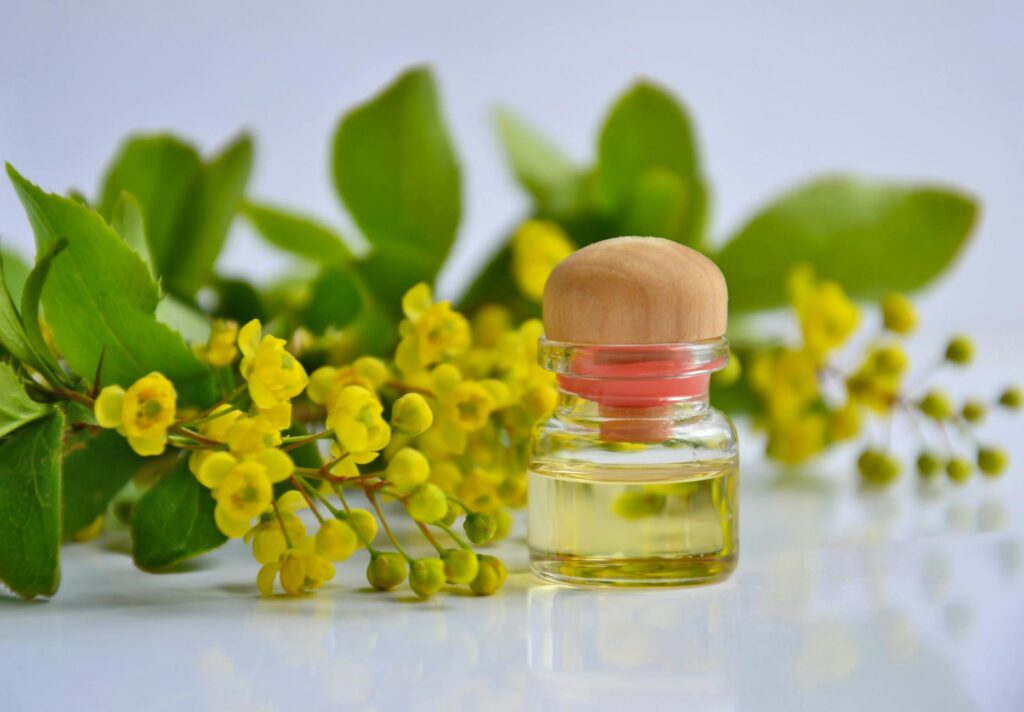
Complete Guide to Herbal Infused Oils Part 6
Introduction
Herbal infused oils represent a harmonious blend of the essence of plants and the nurturing qualities of carrier oils. This guide aims to delve into the world of herbal infused oils, exploring their benefits, applications, and best practices for preparation and storage. Whether you are a seasoned practitioner or a curious novice, this comprehensive overview will provide you with the knowledge necessary to incorporate herbal infused oils into your wellness routine.
What Is Herbal Infused Oils?
Herbal infused oils are oils that have been steeped with the properties of various herbs. This infusion process allows the carrier oil to absorb the beneficial compounds—such as essential oils, flavonoids, and vitamins—present in the herbs. Common carrier oils used for infusion include olive oil, jojoba oil, almond oil, and grapeseed oil, each with unique properties that can enhance the infusion.
The infusion process can be performed using different methods, including cold infusion, hot infusion, and solar infusion. Each method has its own advantages and can affect the potency and aroma of the final product.
Key Benefits and Properties
Herbal infused oils offer a multitude of benefits, largely attributed to the herbal components they contain. Some of the key benefits include:
1. Nutrient-Rich: Infused oils retain many of the vitamins, minerals, and antioxidants present in the herbs used, making them nourishing for the skin.
2. Emollient Qualities: Carrier oils are often rich in fatty acids, which can help to moisturize and soothe the skin, making herbal infused oils an excellent choice for topical applications.
3. Antioxidant Properties: Many herbs used in infusions have natural antioxidant properties, which can help protect the skin from oxidative stress.
4. Aroma Therapeutics: The scent of herbal infused oils can enhance mood and promote relaxation, making them a popular choice in aromatherapy practices.
5. Versatile Applications: These oils can be used in various ways, from skincare to culinary applications, making them an adaptable addition to any herbalist’s toolkit.
Common Uses
Herbal infused oils have a range of applications, making them useful in both personal care and culinary practices. Some common uses include:
Skincare
- Massage Oils: Infused oils can be used for therapeutic massages, providing both hydration and a soothing fragrance.
- Moisturizers: They can serve as natural moisturizers, suitable for dry skin types.
- Hair Care: Herbal infused oils can be applied to hair to promote shine, reduce frizz, and nourish the scalp.
- Flavor Enhancers: Infused oils can be used in cooking to add depth and flavor to various dishes. For example, garlic-infused olive oil can be drizzled over pasta or used for sautéing vegetables.
- Diffusion: These oils can be added to diffusers or oil burners to create a calming atmosphere.
- Bath Soaks: Adding herbal infused oils to bathwater can enhance relaxation and create a spa-like experience.
- Choose your carrier oil and herbs.
- Fill a clean glass jar with the herbs and cover them with the carrier oil.
- Seal the jar and place it in a warm, sunny spot for 4-6 weeks. Shake it gently every few days.
- Strain the oil through a cheesecloth or fine strainer into another container.
Culinary
Aromatherapy
Aromatherapy Applications
Integrating herbal infused oils into aromatherapy practices can amplify their therapeutic effects. Here are some ways to utilize these oils in aromatherapy:
1. Massage Therapy: Combine infused oils with essential oils to create custom blends tailored to specific needs. For example, adding lavender essential oil to a lavender-infused almond oil can enhance relaxation during a massage.
2. Inhalation: Inhaling the aroma of herbal infused oils can promote emotional and physical well-being. Simply place a few drops of the oil in a bowl of hot water and inhale the steam.
3. Scented Candles: Incorporate herbal infused oils into homemade candles for a natural fragrance that can enhance the ambiance of any space.
4. Sleep Aids: Oils infused with calming herbs like chamomile or valerian can be applied to pulse points before bedtime to promote restful sleep.
Safety Considerations
While herbal infused oils are generally safe, it’s important to observe certain precautions:
1. Allergic Reactions: Always conduct a patch test before applying any new oil to ensure you do not have an allergic reaction.
2. Quality of Ingredients: Use high-quality, organic herbs and carrier oils to ensure the safety and efficacy of your infusion.
3. Storage: Proper storage is essential for maintaining the integrity of herbal infused oils. Store them in a cool, dark place to prevent oxidation.
4. Pregnancy and Nursing: Consult with a qualified healthcare professional before using herbal infused oils if you are pregnant or nursing.
5. Children and Pets: Keep infused oils out of reach of children and pets, as certain herbs may not be suitable for them.
Storage and Shelf Life
The shelf life of herbal infused oils can vary significantly based on the type of carrier oil used and the infusion method. Generally, here are some guidelines to consider:
1. Container: Store herbal infused oils in dark glass bottles to protect them from light, which can degrade the oil.
2. Temperature: Keep the oils in a cool, dry place. Avoid exposure to heat or direct sunlight.
3. Duration: Most infused oils can last anywhere from 6 months to 1 year if stored properly. However, it’s advisable to check for any changes in aroma or appearance before use.
4. Signs of Spoilage: If the infused oil develops an off smell, changes color, or shows signs of cloudiness, it is best to discard it.
Frequently Asked Questions
1. How do I make my own herbal infused oil?
To create your herbal infused oil, follow these steps:
2. Can I use dried herbs for infusion?
Yes, dried herbs are commonly used for infusion. They often have a more concentrated flavor and are less prone to spoilage compared to fresh herbs.
3. How can I tell if my infused oil is still good?
Check for any off smells, changes in color, or cloudiness. If any of these signs are present, it is best to discard the oil.
4. Can I use herbal infused oils in cooking?
Yes, many herbal infused oils can be used in cooking. However, be cautious with herbs that have strong flavors, as they can overpower a dish.
5. Are there any herbs that should not be used for infusion?
Certain herbs may not be suitable for infusion due to their potency or potential side effects. Always research the herbs you plan to use and consult reliable sources or professionals if unsure.
Conclusion
Herbal infused oils are versatile and beneficial additions to both personal care and culinary practices. By understanding their properties, uses, and safety considerations, you can confidently incorporate these natural oils into your daily routine. Whether creating soothing massage blends or enhancing your favorite dishes, the world of herbal infused oils offers a rich tapestry of possibilities for exploration and enjoyment.