
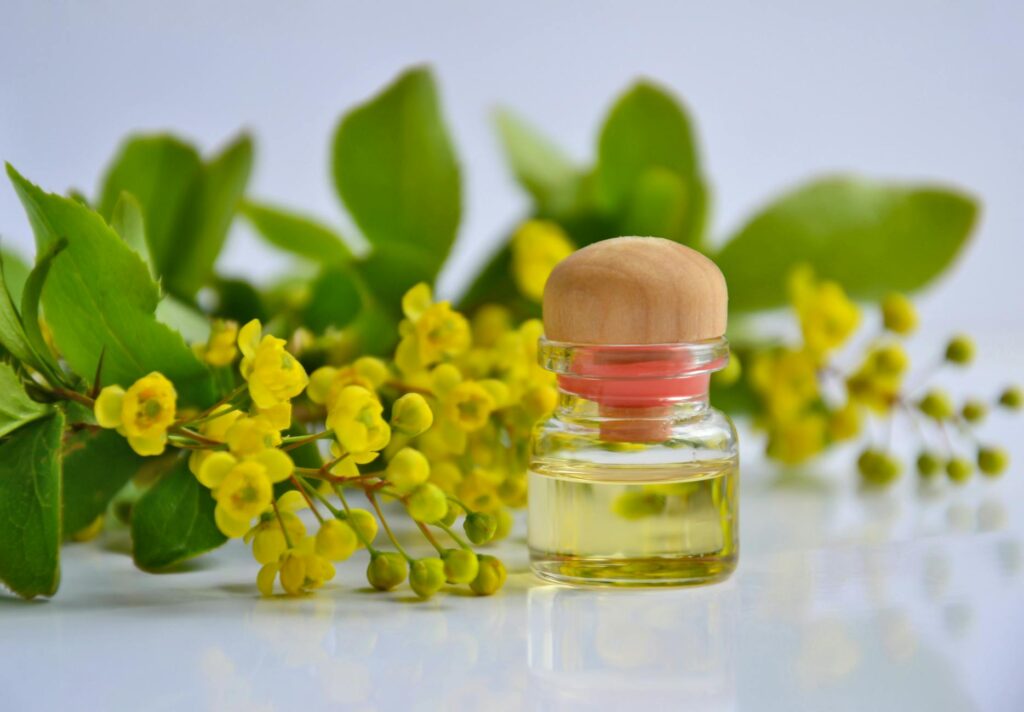
Complete Guide to Herbal Infused Oils Part 7
Introduction
Herbal infused oils, with their rich history and multifaceted applications, serve as a cornerstone of both traditional and modern herbal practices. They are created by infusing carrier oils with the essence of various herbs, capturing their beneficial properties and aromatic qualities. This guide aims to provide a comprehensive overview of herbal infused oils, exploring their benefits, uses, safety considerations, and more.
What Is Herbal Infused Oils?
Herbal infused oils are oils that have been infused with the active constituents of herbs, flowers, or other botanical materials. This process typically involves steeping the plant material in a carrier oil, such as olive, jojoba, or coconut oil, allowing the oil to extract the properties of the herbs over a period of time.
The infusion process can be performed using two primary methods:
1. Cold Infusion: This method involves placing the herb in the oil and allowing it to sit in a cool, dark place for several weeks. The oil is then strained to remove the plant material.
2. Hot Infusion: This method involves gently heating the oil with the herbs, typically using a double boiler. This accelerates the extraction process, allowing the oil to absorb the properties of the herbs more quickly.
Both methods yield oils that can be used in various applications, from culinary uses to skincare and aromatherapy.
Key Benefits and Properties
Herbal infused oils offer a range of benefits, depending on the herbs used. Some key benefits include:
- Nutrient-Rich: Many herbs are packed with vitamins, minerals, and antioxidants, which can enhance the properties of the carrier oil.
- Anti-Inflammatory: Certain herbs have anti-inflammatory properties, which can be beneficial for skin health.
- Antimicrobial: Some infused oils possess antimicrobial properties, making them suitable for topical applications and natural cleaning products.
- Soothing: Many herbal oils are known for their calming and soothing effects, making them ideal for use in massage and relaxation practices.
- Aromatic Qualities: The infusion process captures the natural scents of herbs, providing a delightful aromatic experience when used in personal care products or diffusers.
- Diffusion: Adding herbal infused oils to a diffuser can help create a calming atmosphere in a space.
- Massage: Infused oils can serve as the base for massage oils, providing both aromatic and therapeutic benefits.
- Bath Soaks: Adding herbal infused oils to bathwater can enhance relaxation and provide skin benefits.
- Inhalation: Inhaling the aroma of infused oils directly or using them in steam inhalation can promote respiratory wellness.
- Patch Test: Always perform a patch test before using an herbal infused oil on a larger area of skin to check for any adverse reactions.
- Quality of Ingredients: Use high-quality, organic herbs and carrier oils to ensure purity and avoid contaminants.
- Consultation: If you have specific health conditions, consult with a knowledgeable herbalist or healthcare provider before using herbal infused oils.
- Not for Ingestion: Not all herbal infused oils are suitable for consumption. Ensure that the herbs used are food-safe if you intend to use the oil in cooking.
- Containers: Store infused oils in dark glass bottles to protect them from light exposure, which can degrade their properties.
- Cool, Dark Place: Keep the oils in a cool, dark place, away from direct sunlight and heat.
- Shelf Life: The shelf life of herbal infused oils can vary depending on the carrier oil used and the herbs infused. Generally, they can last anywhere from 6 months to 2 years. Regularly check for changes in smell or appearance, which may indicate spoilage.
Common Uses
Herbal infused oils have a wide range of applications, including:
1. Skincare: They can be used as moisturizers, massage oils, or in homemade skincare formulations.
2. Cooking: Certain infused oils can add unique flavors to culinary dishes, such as garlic or basil-infused olive oil.
3. Aromatherapy: These oils can be used in diffusers or during massage to promote relaxation and well-being.
4. Hair Care: Herbal infused oils can nourish hair and scalp, promoting healthy hair growth.
5. Crafting: They can be incorporated into homemade soaps, candles, and other craft projects.
Aromatherapy Applications
In aromatherapy, herbal infused oils are often used for their aromatic properties. The scents of the infused oils can have a profound impact on mood and emotional well-being. Some common applications in aromatherapy include:
Safety Considerations
While herbal infused oils are generally safe for use, certain precautions should be taken:
Storage and Shelf Life
Proper storage is crucial to maintaining the quality and efficacy of herbal infused oils. Here are some guidelines:
Frequently Asked Questions
1. How do I make herbal infused oils at home?
To make herbal infused oils, choose your desired herb and carrier oil. Place the herb in a clean jar and cover it with the oil. For cold infusion, let it sit in a dark place for 4-6 weeks, shaking it occasionally. For hot infusion, gently heat the mixture for 2-3 hours using a double boiler. Strain the oil through a cheesecloth or fine mesh strainer before storing.
2. Can I use any herb for infusion?
While many herbs can be infused, it’s essential to choose those that are safe and beneficial for your intended use. Common choices include lavender, rosemary, calendula, and chamomile.
3. Are herbal infused oils safe for children?
Some herbal infused oils may be safe for children, but it’s crucial to consult with a healthcare provider or an herbalist to determine which oils are appropriate and at what dilution.
4. Can I use infused oils in cooking?
If the herbs used are food-safe, and the infusion is made with a culinary carrier oil, infused oils can be used in cooking. Always verify the safety of the herbs before ingestion.
5. How can I enhance the potency of my infused oils?
To enhance potency, consider using freshly harvested herbs, ensuring proper ratios of herbs to oil, and allowing sufficient infusion time. Additionally, using heat in the hot infusion method can increase extraction efficiency.
Conclusion
Herbal infused oils are a versatile addition to both personal care and culinary practices, offering numerous benefits and applications. With careful preparation, storage, and consideration of safety, anyone can explore the enriching world of herbal infused oils. Whether for aromatherapy, cooking, or skincare, these infused oils serve as a bridge between nature and well-being, inviting users to harness the power of plants in their daily lives.