
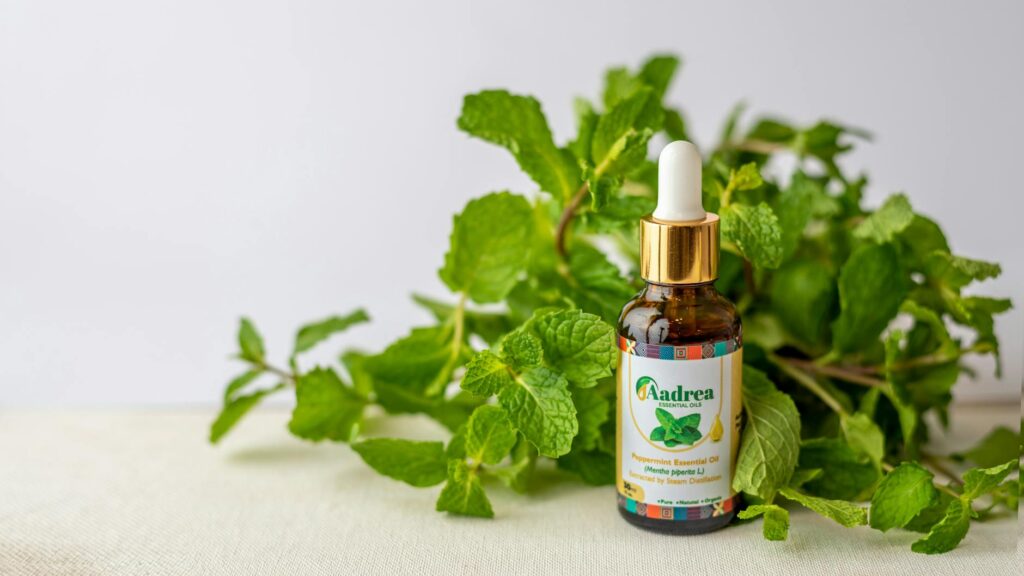
Complete Guide to Herbal Infused Oils
Introduction
Herbal infused oils have gained popularity in the realms of natural wellness, culinary arts, and beauty. These oils serve as a versatile medium for capturing the essence and properties of various herbs, allowing for an array of applications in aromatherapy, skincare, cooking, and holistic practices. This guide aims to provide an in-depth understanding of herbal infused oils, their benefits, uses, and safety considerations.
What Is Herbal Infused Oils?
Herbal infused oils are oils that have been infused with the properties of herbs through a process of extraction. The infusion process involves steeping dried or fresh herbs in a carrier oil, allowing the oil to absorb the beneficial compounds present in the plant material. Common carrier oils include olive oil, coconut oil, jojoba oil, and sweet almond oil, each bringing its own unique properties to the infusion.
The Infusion Process
The infusion process can be done using two primary methods:
1. Cold Infusion: The herbs are combined with the carrier oil and left to steep at room temperature for several weeks. This method preserves the delicate properties of the herbs but requires patience.
2. Hot Infusion: The herbs and oil are gently heated together, often using a double boiler or a slow cooker. This method speeds up the extraction process but may alter some of the delicate compounds within the herbs.
Both methods yield aromatic and flavorful oils, and the choice between them often depends on the desired outcome and time available.
Key Benefits and Properties
Herbal infused oils carry several benefits, including:
- Therapeutic Properties: Many herbs possess therapeutic properties that can be transferred to the oil, making them beneficial for various applications, such as skincare or relaxation.
- Flavor Enhancement: In culinary uses, herbal infused oils can elevate the flavor of dishes, adding depth and complexity.
- Moisturizing Qualities: Carrier oils often contain fatty acids and vitamins that nourish and hydrate the skin, making them suitable for cosmetic applications.
- Aromatherapy: The aromatic compounds in the herbs contribute to the scent profile of the oil, which can enhance mood and promote relaxation.
- Garlic-infused oil: Ideal for drizzling on pizzas or pasta.
- Basil-infused oil: A flavorful addition to salads and marinades.
- Massage oils: Offering both relaxation and nourishment for the skin.
- Facial oils: Providing hydration and potential therapeutic benefits depending on the herbs used.
- Diffusion: Adding a few drops of herbal infused oil to a diffuser can fill a room with a soothing fragrance.
- Topical Application: When diluted with a carrier oil, herbal infused oils can be applied to pulse points or during massages.
- Bathing: Adding herbal infused oils to bathwater provides both aromatic and skin-nourishing benefits.
- Allergies: Always conduct a patch test before applying any infused oil to the skin to check for allergic reactions.
- Sensitivity: Some individuals may experience skin sensitivity to certain herbs; it is advisable to do thorough research on the herbs being used.
- Quality of Ingredients: Ensure that both the herbs and carrier oils are of high quality. Contaminated or low-quality ingredients can diminish the benefits and may pose health risks.
- Pregnancy and Nursing: Consult with a healthcare professional before using herbal infused oils during pregnancy or while nursing.
- Store in a cool, dark place: Heat and light can degrade the oil over time.
- Use dark glass containers: These help to protect the oil from light exposure.
- Label and date: Keeping track of when the infusion was made can help in monitoring its freshness.
The benefits largely depend on the herbs used in the infusion, so it is essential to choose herbs that align with your intended use.
Common Uses
Herbal infused oils can be utilized in various settings, including:
1. Culinary Uses
Herbal infused oils can be drizzled over salads, used for cooking, or as a finishing touch on dishes. Popular options include:
2. Skincare and Beauty
These oils are often used in homemade skincare products, such as:
3. Aromatherapy
Herbal infused oils serve as a base for essential oil blends or can be used on their own in diffusers, massage, or bath products.
4. Household Products
They can be incorporated into homemade cleaning products or potpourri, adding a pleasant aroma to living spaces.
Aromatherapy Applications
Aromatherapy utilizes the aromatic properties of herbal infused oils to enhance emotional and mental well-being. The oils can be used in various ways:
Popular choices for aromatherapy applications include lavender-infused oil for relaxation and peppermint-infused oil for invigoration.
Safety Considerations
While herbal infused oils can be beneficial, it is essential to consider the following safety aspects:
Storage and Shelf Life
Proper storage is crucial to maintaining the quality of herbal infused oils. To extend their shelf life:
Generally, herbal infused oils can last anywhere from six months to a year, depending on the herbs used and storage conditions.
Frequently Asked Questions
1. Can I use fresh herbs for infusing oils?
Yes, fresh herbs can be used, but they contain more moisture than dried herbs. To prevent spoilage, ensure that the herbs are thoroughly dried or use the hot infusion method.
2. What is the best carrier oil for infusion?
The best carrier oil depends on the intended use. Olive oil is excellent for culinary applications, while jojoba or sweet almond oil are preferred for skincare due to their nourishing properties.
3. Can I mix different herbs in one infusion?
Yes, combining herbs can create unique blends with complementary properties and fragrances. However, it is advisable to research the compatibility of the herbs to ensure they work well together.
4. How can I tell if my infused oil has gone bad?
Signs of spoilage include off odors, unusual colors, or the presence of mold. If any of these occur, it is best to discard the oil.
5. Are there any herbs that should not be used in infused oils?
Some herbs may not be safe for topical application or ingestion. Always research the herbs you plan to use and consult reputable sources or professionals if unsure.
Conclusion
Herbal infused oils are a fascinating intersection of nature and wellness, offering a plethora of applications in culinary arts, skincare, and aromatherapy. By understanding the process of infusion, the benefits of various herbs, and the safety considerations, you can harness the power of these botanical wonders in your everyday life. Whether you are looking to enhance your cooking, create natural beauty products, or explore the world of aromatherapy, herbal infused oils provide a versatile and enriching option to explore.