
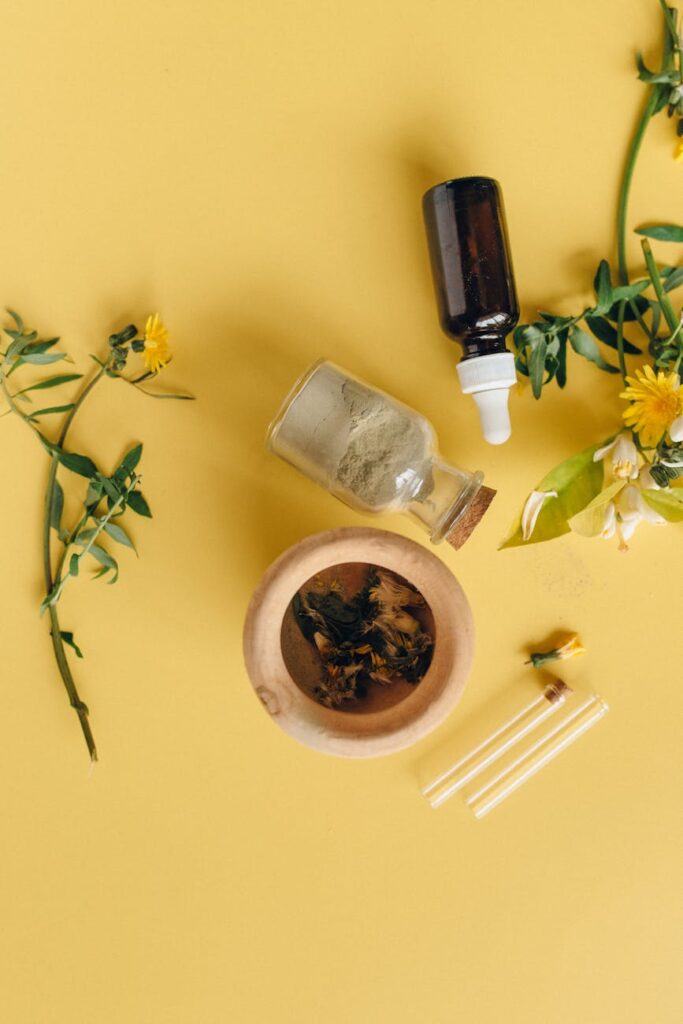
Complete Guide to Herbal Infused Powders
Introduction
Herbal infused powders have gained traction in the realms of natural wellness, beauty, and culinary arts. These finely ground powders, infused with the essence of various herbs, offer a versatile approach to harnessing the benefits of plant-based ingredients. This guide delves into the world of herbal infused powders, exploring their definitions, benefits, uses, and more.
What Is Herbal Infused Powders?
Herbal infused powders are created by infusing dried herbs into a base powder, usually a neutral carrier such as arrowroot, rice flour, or almond flour. The infusion process extracts the essential properties and flavors of the herbs, which are then incorporated into the powder form. These powders can be made from a variety of herbs, each contributing unique characteristics, aromas, and potential benefits.
The infusion process generally involves combining dried herbs with a carrier in a controlled environment, allowing for the gradual extraction of the herb’s volatile compounds. The result is a finely milled powder that encapsulates the essence of the herbs used.
Key Benefits and Properties
Herbal infused powders offer a multitude of benefits, varying based on the herbs used in their preparation. Here are some of the key benefits and properties:
1. Natural Source of Nutrients: Many herbs are rich in vitamins, minerals, and antioxidants. When infused into powders, these nutrients can enhance the nutritional profile of foods.
2. Flavor Enhancement: Infused powders can impart unique flavors to dishes, making them a popular choice in culinary applications. For example, basil-infused powder can add a fresh, aromatic taste to pasta sauces.
3. Versatility: Herbal infused powders can be used in numerous applications, from cooking and baking to skincare and herbal remedies.
4. Aromatherapy Properties: Many herbs possess aromatic qualities that can enhance mood or promote relaxation. These properties can be harnessed through the use of herbal infused powders in various applications.
5. Natural Remedies: Certain herbs have been traditionally used for their potential health benefits, such as digestive support or relaxation. Infused powders can be a convenient way to incorporate these herbs into daily routines.
Common Uses
Herbal infused powders are incredibly versatile and can be used in a variety of ways. Here are some common applications:
Culinary Uses
1. Seasoning: Use herbal infused powders as a seasoning for meats, vegetables, and grains. They can provide a flavor boost that enhances the overall taste of dishes.
2. Baking: Incorporate infused powders into baked goods like bread, muffins, or cakes for added flavor and nutritional benefits.
3. Smoothies: Add a spoonful of herbal infused powder to smoothies for a nutrient-rich boost.
4. Soups and Stews: Sprinkle infused powders into soups and stews to enrich the flavor profile and add herbal benefits.
Skincare
1. Face Masks: Herbal infused powders can be combined with other natural ingredients to create face masks that may promote skin health.
2. Scrubs: Mix infused powders with sugar or salt to create gentle exfoliating scrubs that harness the benefits of the herbs.
3. Bath Soaks: Add infused powders to bath salts for a soothing and aromatic bathing experience.
Aromatherapy
1. Potpourri: Create fragrant potpourri by mixing herbal infused powders with dried flowers and essential oils.
2. Incense: Use herbal infused powders as a base for homemade incense sticks or cones, providing aromatic benefits when burned.
Aromatherapy Applications
Aromatherapy emphasizes the use of aromatic compounds for holistic well-being. Herbal infused powders can play a role in this practice, offering various aromatic benefits based on the herbs used. Here are a few ways to incorporate herbal infused powders into aromatherapy:
Diffusion
While herbal infused powders are not typically used in diffusers, they can be blended with essential oils or other aromatic substances to create a unique aromatic experience. For example, a lavender-infused powder mixed with a few drops of lavender essential oil can enhance relaxation.
Sachets
Creating sachets filled with herbal infused powders can provide aromatic benefits when placed in drawers, closets, or under pillows. The gentle release of fragrance can create a calming environment.
Herbal Pillows
Sew small pillows filled with herbal infused powders to place under the head at night. The aromatic properties may promote relaxation and restful sleep.
Safety Considerations
While herbal infused powders are generally considered safe, it is important to keep several safety considerations in mind:
1. Allergies: Be aware of any allergies or sensitivities to specific herbs. Always conduct a patch test when using infused powders on the skin.
2. Quality and Source: Ensure that the herbs used to create infused powders are sourced from reputable suppliers. Contaminated or low-quality herbs can lead to adverse effects.
3. Dosage: Use infused powders in moderation. Overconsumption of certain herbs can lead to undesirable effects, especially when consumed in large quantities.
4. Consultation: If you are pregnant, nursing, or taking medications, consult with a healthcare professional before incorporating herbal infused powders into your routine.
Storage and Shelf Life
Proper storage of herbal infused powders is crucial to maintain their potency and freshness. Here are some essential storage tips:
1. Container: Store infused powders in airtight containers to protect them from moisture and air exposure.
2. Cool, Dark Place: Keep the containers in a cool, dark place away from direct sunlight, which can degrade the quality of the herbs over time.
3. Labeling: Clearly label containers with the contents and date of preparation to ensure proper usage and to monitor freshness.
4. Shelf Life: Generally, herbal infused powders can last for up to 6 to 12 months if stored properly. However, always check for any signs of spoilage, such as changes in color, odor, or texture.
Frequently Asked Questions
1. How are herbal infused powders made?
Herbal infused powders are made by combining dried herbs with a neutral carrier powder. The mixture is allowed to infuse, extracting the herb’s properties before being ground into a fine powder.
2. Can I make my own herbal infused powders at home?
Yes, you can easily make your own herbal infused powders by selecting your preferred dried herbs and a carrier powder. Ensure you follow proper techniques for infusion and drying.
3. Are herbal infused powders safe for everyone to use?
While herbal infused powders are generally safe, individuals with allergies, sensitivities, or pre-existing health conditions should exercise caution and consult a healthcare professional.
4. How can I tell if my herbal infused powder has gone bad?
Signs of spoilage include changes in color, off-putting odors, or clumping. Always check these factors before use.
5. Can I use herbal infused powders in cooking?
Absolutely! Herbal infused powders can enhance the flavor of various dishes, from soups and stews to baked goods and sauces.
Conclusion
Herbal infused powders represent a harmonious blend of nature’s bounty and human creativity. By understanding their properties and applications, one can harness the benefits of various herbs in a versatile and accessible form. Whether for culinary delights, skincare, or aromatic experiences, these powders offer an enriching addition to any natural lifestyle. Always remember to approach their use with awareness and respect for the potency of the herbs involved.