
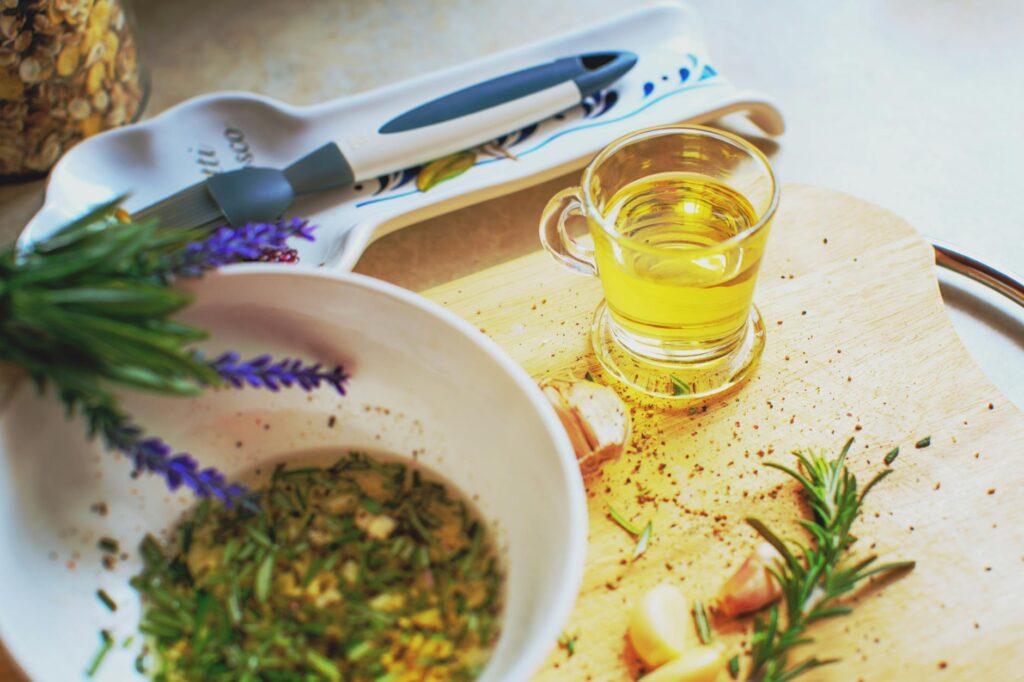
Complete Guide to Herbal Infused Salts for Culinary Use
Introduction
Herbal infused salts have gained popularity in culinary circles for their ability to elevate flavors and enhance the sensory experience of dishes. This guide aims to provide a comprehensive overview of herbal infused salts, exploring their properties, benefits, common uses, and safety considerations. Whether you are a seasoned chef or a home cook, incorporating herbal infused salts can add a delightful twist to your culinary repertoire.
What Is Herbal Infused Salts for Culinary Use?
Herbal infused salts are culinary salts that have been combined with various herbs, spices, or botanicals to create a unique flavor profile. The process typically involves mixing coarse salt with dried herbs, allowing the salt to absorb the essential oils and flavors of the herbs over time. This results in a salt that is not only a seasoning but also an aromatic element that can transform simple dishes into gourmet experiences.
Common types of salts used for infusion include sea salt, Himalayan pink salt, and kosher salt. The choice of herb, spice, or botanical can vary widely, depending on the desired flavor outcome and culinary application.
Key Benefits and Properties
Enhanced Flavor
One of the primary benefits of herbal infused salts is their ability to enhance the flavor of dishes. The infusion process allows the salt to take on the essence of the herbs, resulting in a seasoning that adds depth and complexity to food.
Versatility
Herbal infused salts can be used in a variety of culinary applications, making them an incredibly versatile addition to any kitchen. They can be sprinkled on meats, vegetables, and grains or used as a finishing touch for soups and salads.
Natural Ingredients
Unlike many commercial seasonings that may contain artificial flavors or additives, herbal infused salts are made from natural ingredients. This makes them a healthier alternative for flavor enhancement in cooking.
Aromatic Qualities
In addition to their flavor properties, herbal infused salts can also provide aromatic benefits. The scents of the infused herbs can add an additional sensory layer to culinary experiences, enhancing the overall enjoyment of a meal.
Common Uses
Herbal infused salts can be used in a variety of culinary applications, including:
Seasoning Meats
Sprinkling herbal infused salt on meats before grilling, roasting, or pan-searing can significantly enhance their flavor. For example, a rosemary-infused salt pairs beautifully with lamb, while a garlic-infused salt complements chicken and fish.
Flavoring Vegetables
Vegetables often benefit from the addition of herbal infused salts. Tossing fresh or roasted vegetables with infused salt can elevate their taste, making them a standout side dish.
Enhancing Grains
Grains such as rice, quinoa, or couscous can be transformed with a sprinkle of herbal infused salt. It brings a burst of flavor that can make these staples more enjoyable as a base for meals.
Finishing Touch
Herbal infused salts can also serve as a finishing touch for dishes. A light sprinkle just before serving can preserve the aroma and flavor, making for an impressive presentation.
Baking
Herbal infused salts can be used in baking as well. Adding a touch of infused salt to bread dough or pastries can create a delightful contrast to sweet flavors and enhance the overall taste.
Aromatherapy Applications
While herbal infused salts are primarily used in culinary applications, they can also play a role in aromatherapy. The essential oils present in the herbs can impart soothing or invigorating aromas, making them suitable for use in various settings.
Culinary and Aromatic Balance
The dual nature of herbal infused salts allows for a harmonious balance between culinary and aromatic qualities. Using these salts in cooking can create dishes that are not only flavorful but also aromatic, enhancing the dining experience.
Salt Baths
Some culinary salts can be repurposed for use in salt baths. Specifically, herbal infused salts can be added to warm bathwater for a relaxing experience. The aromatic qualities of the herbs can promote relaxation and well-being.
Safety Considerations
While herbal infused salts are generally safe for culinary use, there are some considerations to keep in mind:
Allergies
Always check for potential allergies to the herbs being used. Some individuals may have sensitivities to specific plants, which can lead to allergic reactions.
Quality of Ingredients
Using high-quality salt and fresh, organic herbs is essential for creating the best herbal infused salts. Poor-quality ingredients can result in off-flavors and may not provide the desired benefits.
Storage Practices
Proper storage is crucial to maintain the flavor and quality of herbal infused salts. Ensure that the salts are stored in airtight containers away from light and moisture to prevent spoilage.
Storage and Shelf Life
Storage
Herbal infused salts should be stored in a cool, dry place, preferably in airtight containers to protect them from moisture and light. Glass jars or dark-colored containers are ideal as they minimize exposure to air and light, which can degrade the quality of the salts.
Shelf Life
The shelf life of herbal infused salts can vary depending on the ingredients used. Generally, if stored properly, they can last for up to one year. However, it is essential to regularly check for any changes in aroma, color, or texture, which may indicate spoilage.
Frequently Asked Questions
How do I make herbal infused salts?
To make herbal infused salts, choose your preferred salt and herbs. Combine them in a bowl, ensuring even distribution. Transfer the mixture to an airtight container and let it sit in a cool, dark place for at least one week, allowing the flavors to meld. After this period, the salt can be used as desired.
Can I use fresh herbs instead of dried ones?
While fresh herbs can be used, they contain moisture, which can lead to spoilage. It is generally recommended to use dried herbs for infusion to ensure a longer shelf life and prevent mold growth.
Are herbal infused salts suitable for all diets?
Herbal infused salts are generally compatible with various diets, including vegetarian and vegan. However, individuals on specific dietary restrictions should always check the ingredients to ensure they align with their dietary needs.
Can I use herbal infused salts in baking?
Yes, herbal infused salts can be used in baking to enhance flavors in breads, pastries, and other baked goods. They provide a unique flavor profile that can complement sweet or savory recipes.
How can I incorporate herbal infused salts into my cooking?
You can use herbal infused salts in numerous ways, including seasoning meats, flavoring vegetables, enhancing grains, and as a finishing touch for various dishes. Experiment with different combinations to find your preferred flavors.
Conclusion
Herbal infused salts are a delightful and versatile addition to any culinary practice. By understanding their properties, benefits, and applications, you can elevate your cooking and enjoy the rich flavors that come from these unique seasonings. With careful preparation and storage, herbal infused salts can enhance both the taste and aroma of dishes, making them a valuable tool in any kitchen.