
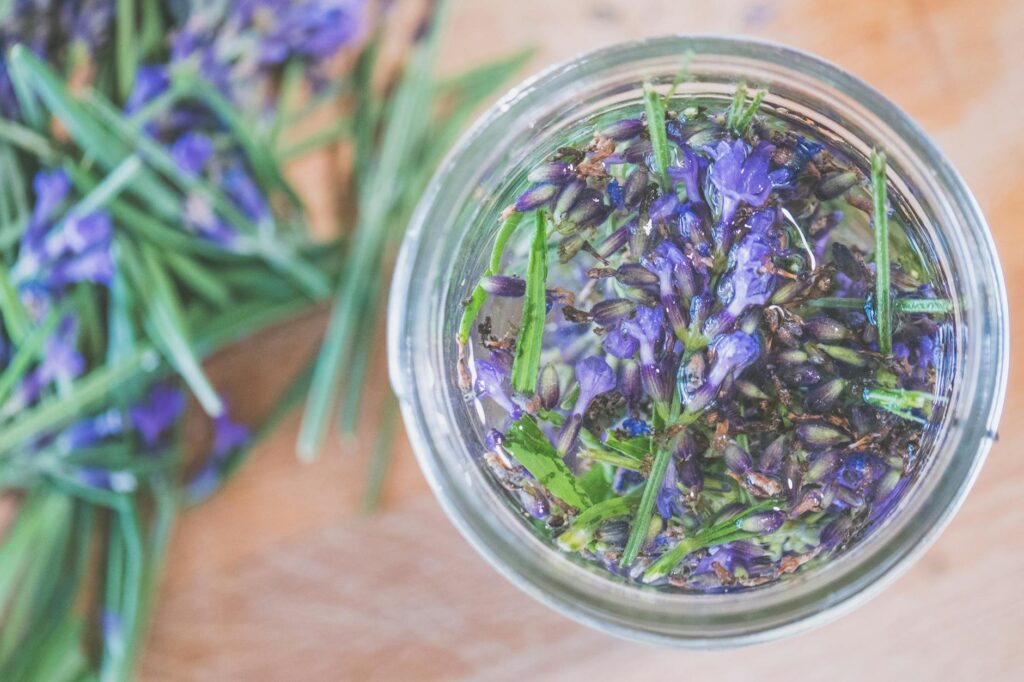
Complete Guide to Herbal Infused Salts
Introduction
Herbal infused salts have gained popularity as a culinary and wellness trend, merging the worlds of flavor and holistic health. By combining the natural essence of herbs with the mineral richness of salt, these infused salts offer a unique way to enhance the taste of dishes while also providing potential therapeutic benefits. This guide will provide a comprehensive overview of herbal infused salts, including their benefits, common uses, and applications in aromatherapy.
What Is Herbal Infused Salts?
Herbal infused salts are created by blending salt with various herbs, flowers, or spices, allowing the flavors and properties of the botanicals to permeate the salt crystals. This process often involves either cold infusion, where the herbs are mixed with salt and allowed to sit for a period, or hot infusion, where the mixture is gently heated to help extract the herbal properties more quickly.
These salts can be used for seasoning food, as bath soaks, or in aromatherapy practices, providing both culinary and holistic benefits. The versatility of herbal infused salts makes them a valuable addition to any kitchen or wellness routine.
Key Benefits and Properties
Flavor Enhancement
Herbal infused salts are primarily known for their ability to enhance the flavor of various dishes. Different herbs contribute unique tastes, from the earthy notes of rosemary to the bright, citrusy hints of lemon balm. Infused salts can elevate simple meals, providing a depth of flavor that enhances the overall dining experience.
Culinary Versatility
These infused salts can be used in numerous culinary applications, including:
- Seasoning: Ideal for meats, vegetables, and salads.
- Finishing Salts: Sprinkled on dishes just before serving to add color and flavor.
- Infused Oils: Combined with oils for salad dressings or marinades.
- Herb-Infused Finishing Salt: A sprinkle of rosemary-infused salt on roasted potatoes brings out the earthy flavors, while basil-infused salt can enhance pasta dishes.
- Gourmet Seasoning: Use infused salts to add sophistication to simple dishes, such as grilled meats or steamed vegetables.
- Salt Lamps: Infused salts can be used in salt lamps for their aesthetic and aromatic properties.
- Potpourri: Incorporating herbal salts into potpourri mixtures can enhance the fragrance.
- Massage: Salts infused with calming herbs can be used in scrubs or massage oils to promote relaxation.
- Lavender: Known for its calming properties, lavender-infused salt can help create a tranquil atmosphere.
- Rosemary: This herb is often associated with mental clarity and focus.
- Thyme: Traditionally thought to have cleansing properties, thyme-infused salt can enhance the sensory experience in both culinary and wellness practices.
- Allergies: Be aware of any allergies to specific herbs or plants. Conduct a patch test if applying to the skin.
- Quality of Ingredients: Use high-quality, organic herbs and salts to ensure purity and avoid contaminants.
- Quantity: Use infused salts in moderation, especially in culinary applications, to avoid excessive sodium intake.
- Consultation: If using for therapeutic purposes, consulting with a qualified practitioner is recommended.
- Containers: Store infused salts in airtight containers to prevent moisture absorption and preserve freshness.
- Location: Keep them in a cool, dark place away from direct sunlight, as exposure to light can degrade the quality of the herbs.
- Shelf Life: While the salt itself has a long shelf life, the infused properties may diminish over time. It is generally recommended to use infused salts within six months to one year for optimal flavor and aroma.
Aromatic Qualities
The aromatic properties of herbs can infuse the surrounding environment, making herbal salts useful in culinary and wellness contexts. The natural fragrance of the herbs can evoke a sense of calm and well-being, enhancing the sensory experience of cooking and dining.
Potential Therapeutic Benefits
While herbal infused salts are not a substitute for medical treatments, many herbs are known for their traditional uses in promoting well-being. For instance, lavender is often associated with relaxation, while sage is thought to have cleansing properties. The infusion of these herbs into salt may provide a sensory experience that complements their traditional uses.
Common Uses
Culinary Applications
Herbal infused salts can be integrated into everyday cooking. Some common uses include:
Bath Soaks
Herbal infused salts can also be used in bath soaks, providing a relaxing experience. The minerals in salt can help soothe tired muscles, while the aromatic properties of the herbs can create a calming atmosphere.
Aromatherapy
In aromatherapy, herbal infused salts can be utilized in various ways:
Aromatherapy Applications
The aromatic properties of herbs used in infused salts can play a significant role in aromatherapy. When used in salt lamps, baths, or potpourri, the subtle release of essential oils can create a soothing environment. Some popular herbs for infusion include:
Safety Considerations
While herbal infused salts can be beneficial, it is essential to consider safety precautions:
Storage and Shelf Life
Proper storage of herbal infused salts is crucial to maintaining their flavor and aromatic properties. Here are some guidelines:
Frequently Asked Questions
How are herbal infused salts made?
Herbal infused salts can be made by combining salt with dried herbs. The mixture can sit at room temperature for a few weeks to allow the flavors to meld, or it can be gently heated to speed up the infusion process.
Can I use fresh herbs for infusion?
While fresh herbs can be used, they contain moisture, which may lead to clumping or spoilage. It is generally advisable to use dried herbs for making herbal infused salts.
Are herbal infused salts safe for everyone?
While herbal infused salts are generally safe for most individuals, those with allergies or specific health conditions should exercise caution. Consult with a healthcare professional if unsure.
How can I use herbal infused salts in cooking?
Herbal infused salts can be used in various culinary applications, such as seasoning meats, vegetables, or salads. They can also serve as finishing salts to enhance the flavor just before serving.
Can I create my own herbal infused salts?
Yes, making your own herbal infused salts is simple and allows for personalization. Choose your preferred herbs and salt type, and follow the infusion method that suits your needs.
Conclusion
Herbal infused salts offer a delightful fusion of culinary and wellness benefits, enhancing both flavor and sensory experiences. With their versatile applications in cooking, aromatherapy, and relaxation, these infused salts can be a valuable addition to any home. By understanding their properties, uses, and safety considerations, individuals can enjoy the rich flavors and potential therapeutic benefits that herbal infused salts provide. Whether as a seasoning in the kitchen or a soothing element in a bath, herbal infused salts are a testament to the harmonious relationship between nature and wellness.