
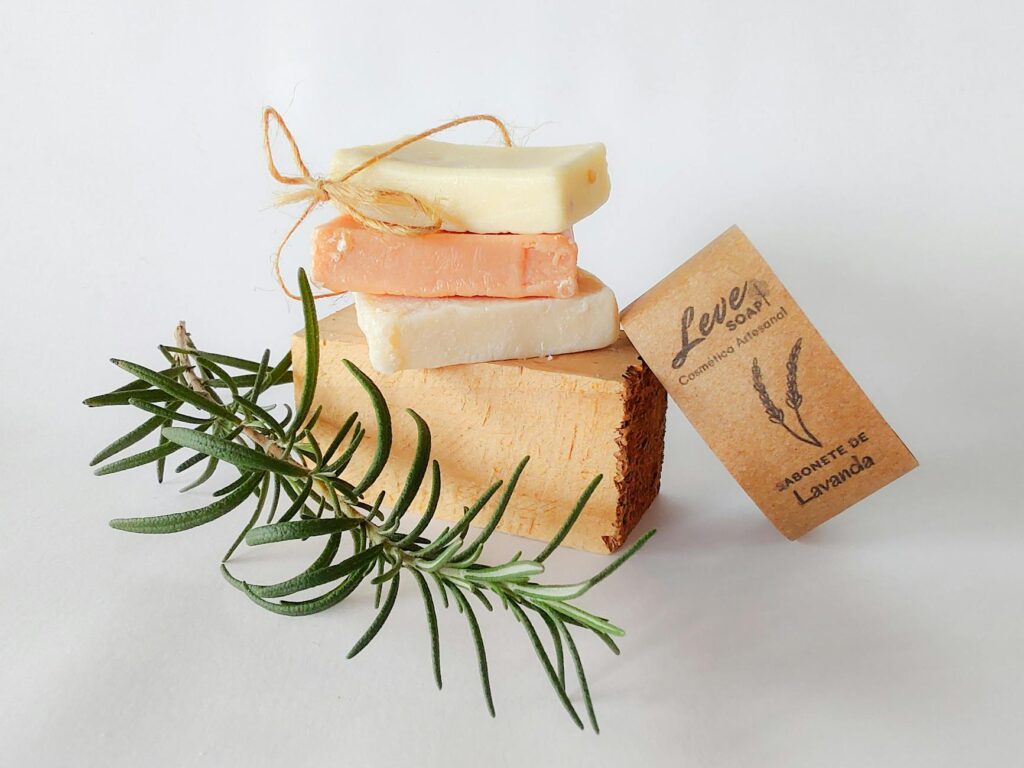
Complete Guide to Herbal Infused Soaps
Introduction
Herbal infused soaps have surged in popularity as more people seek natural alternatives to commercial cleansing products. Combining the benefits of herbal properties with the cleansing and moisturizing attributes of soap, these creations offer a holistic approach to personal care. This guide explores the essence of herbal infused soaps, their benefits, common uses, and safety considerations, providing you with a comprehensive understanding of this delightful and aromatic craft.
What Is Herbal Infused Soaps?
Herbal infused soaps are handmade cleansing products that incorporate natural herbs and botanicals to enhance their properties and fragrance. The process typically involves infusing oils with dried herbs, allowing the beneficial properties of the plants to be extracted and incorporated into the soap-making process. These soaps can be made using various methods, including cold process, hot process, or melt-and-pour techniques, and can be customized to suit individual preferences.
The infusion process typically begins by selecting appropriate carrier oils—such as olive oil, coconut oil, or almond oil—into which dried herbs are added. The mixture is then heated gently to allow the oils to extract the essence of the herbs. Once the infusion is complete, this herbal oil can be combined with lye and other ingredients to create the final soap product.
Key Benefits and Properties
Herbal infused soaps offer a multitude of benefits, both for skin health and overall well-being. The key properties include:
1. Nourishing and Moisturizing: Many herbs are rich in vitamins, minerals, and fatty acids that nourish and hydrate the skin. For instance, infused oils with calendula or chamomile can soothe and moisturize dry or irritated skin.
2. Antioxidant Effects: Many herbs, such as rosemary and green tea, are rich in antioxidants, which can help combat free radicals and promote healthier skin.
3. Anti-inflammatory Properties: Herbs like lavender, peppermint, and aloe vera possess anti-inflammatory properties that may help to calm redness and irritation.
4. Natural Fragrance: The aromatic qualities of herbs can enhance the sensory experience of using soap, adding a natural scent without the need for synthetic fragrances.
5. Eco-Friendly: Herbal infused soaps are often made from renewable resources and biodegradable ingredients, making them a more sustainable option compared to commercially manufactured soaps.
Common Uses
Herbal infused soaps can be utilized in various ways, depending on their properties and formulations. Some common uses include:
1. Daily Cleansing: These soaps can be used daily in the shower or bath for gentle cleansing and nourishment.
2. Hand Soap: Infused soaps can serve as effective hand cleansers, especially those with antibacterial properties like tea tree or eucalyptus.
3. Gift Items: Handmade herbal soaps make thoughtful gifts, showcasing creativity and care.
4. Skin Care Routine: Specific formulations can target particular skin concerns, offering additional benefits when incorporated into a skincare routine.
5. Aromatherapy: The scent of herbal infused soaps can enhance relaxation or invigoration, depending on the herbs used.
Aromatherapy Applications
Aromatherapy, the practice of using essential oils for therapeutic benefits, can be seamlessly integrated with herbal infused soaps. The natural fragrances derived from the herbs can evoke emotional responses and contribute to overall well-being.
1. Relaxation: Soaps infused with calming herbs such as lavender or chamomile can be beneficial for relaxation and stress relief during a bath or shower.
2. Energizing: Citrus-infused soaps, such as those made with lemon or orange zest, can be invigorating, awakening the senses and providing a refreshing start to the day.
3. Mood Enhancement: Herbal blends containing rosemary or peppermint may help improve concentration and focus, making them ideal for morning routines.
4. Sleep Aid: Soaps infused with herbs like valerian or passionflower can be used in evening routines to promote relaxation and prepare the body for sleep.
Safety Considerations
While herbal infused soaps are generally safe for most users, there are several safety considerations to keep in mind:
1. Patch Testing: It is advisable to perform a patch test before using any new soap, especially for individuals with sensitive skin or allergies. Apply a small amount on a discreet area and observe for any adverse reactions.
2. Quality of Ingredients: Use high-quality, organic herbs and oils to ensure the purity and safety of the final product. Contaminated or low-quality ingredients can lead to skin irritations.
3. Avoiding Certain Herbs: Some herbs, such as those in the mint family, can be irritating to certain skin types. Research and select herbs carefully based on their properties.
4. Storage: Proper storage of herbal soaps is essential to maintain their quality and potency.
Storage and Shelf Life
The shelf life of herbal infused soaps can vary based on the ingredients used and the storage conditions. Here are some guidelines for optimal storage:
1. Cool, Dry Place: Store soaps in a cool, dry area away from direct sunlight to prevent the degradation of oils and scents.
2. Humidity Control: Excessive moisture can lead to mold or spoilage. Ensure that soaps are kept in a well-ventilated environment.
3. Use Airtight Containers: If possible, store soaps in airtight containers or wrap them in breathable materials to prevent exposure to air and moisture.
4. Typical Shelf Life: Herbal infused soaps generally have a shelf life of 6 months to 1 year, depending on the ingredients. Always check for any signs of rancidity or mold before use.
Frequently Asked Questions
1. Can I make herbal infused soap at home?
Yes, making herbal infused soap at home can be a rewarding experience. With the right ingredients and equipment, you can customize your soaps to suit your preferences.
2. What are the best herbs for infusion in soap?
Some popular herbs for infusion include lavender, chamomile, calendula, rosemary, and peppermint. The choice of herbs depends on the desired benefits and fragrance.
3. Can herbal infused soaps cause allergic reactions?
While many people enjoy herbal infused soaps without issues, some individuals may have sensitivities or allergies to specific herbs. Always conduct a patch test before full use.
4. Are herbal infused soaps suitable for all skin types?
Most herbal infused soaps are suitable for general use, but individuals with specific skin conditions or sensitivities should choose formulations tailored to their needs.
5. How can I enhance the scent of my herbal infused soap?
In addition to using fragrant herbs, consider adding essential oils that complement the herbal infusion to enhance the aroma of your soap.
Conclusion
Herbal infused soaps offer a unique blend of cleansing, nourishing, and aromatic experiences. By understanding their properties, benefits, and applications, you can make informed choices about incorporating these natural products into your personal care routine. Whether you choose to create your own or purchase from artisans, herbal infused soaps can enhance your bathing experience while providing the soothing touch of nature.