
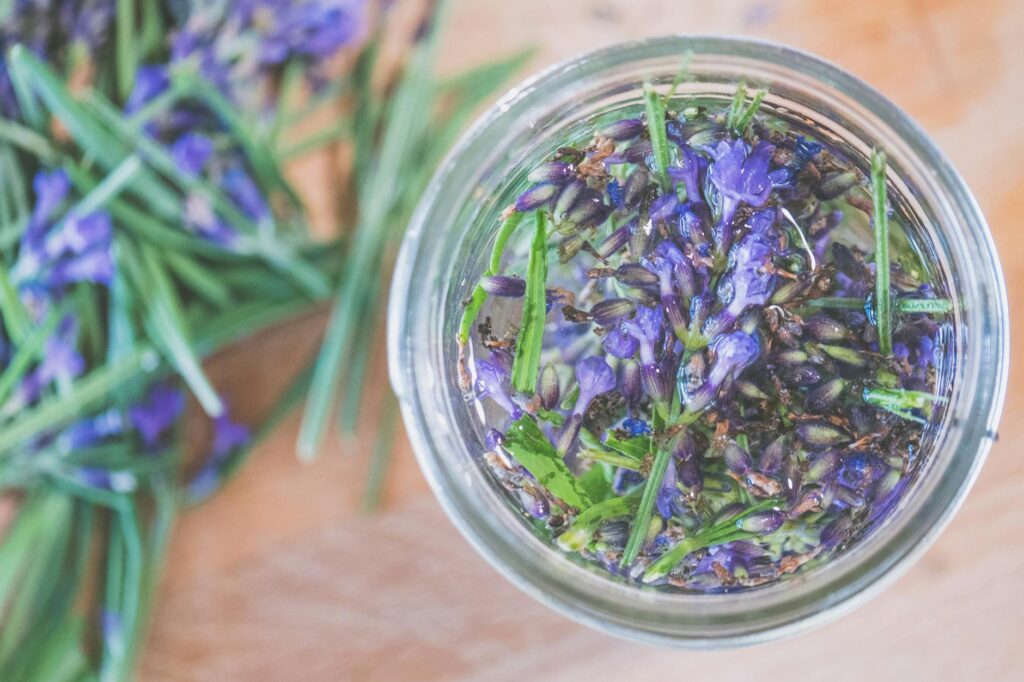
Complete Guide to Herbal Infused Syrups
Introduction
Herbal infused syrups are a delightful and versatile way to incorporate the benefits of herbs into everyday life. These syrups can enhance culinary dishes, beverages, and even serve as natural sweeteners while providing the unique properties of various herbs. This guide explores the world of herbal infused syrups, including their definition, benefits, common uses, aromatherapy applications, safety considerations, and storage tips.
What Is Herbal Infused Syrups?
Herbal infused syrups are concentrated liquid preparations made by combining herbs with a sweetening agent, typically sugar or honey, along with water. The process involves extracting the flavors, aromas, and beneficial properties of the herbs, resulting in a syrup that can be used in various culinary applications. The infusion process captures the essence of the herbs, allowing their unique characteristics to shine in the final product.
Basic Components
1. Herbs: Commonly used herbs include mint, lavender, chamomile, and rosemary. The choice of herb often depends on the desired flavor profile and intended use.
2. Sweetener: Sugar is the most commonly used sweetener, but honey, agave syrup, or maple syrup can also be utilized, depending on dietary preferences and flavor considerations.
3. Water: This is used to dissolve the sweetener and facilitate the extraction of herbal properties.
Preparation Process
The preparation of herbal infused syrups generally involves steeping the chosen herbs in a mixture of water and sweetener, typically through one of two methods: cold infusion or hot infusion. Cold infusion takes longer but preserves delicate flavors, while hot infusion accelerates the extraction process and is often preferred for tougher herbs.
Key Benefits and Properties
Herbal infused syrups offer a range of benefits, both culinary and sensory. Some key properties include:
1. Flavor Enhancement: These syrups provide an easy way to introduce complex flavors into beverages, desserts, and savory dishes.
2. Aromatic Properties: The infusion process captures the aromatic compounds of herbs, enhancing the sensory experience of food and beverage consumption.
3. Culinary Versatility: Herbal syrups can be used in cocktails, teas, salad dressings, or drizzled over desserts, making them an excellent addition to any kitchen.
4. Potential Health Benefits: While not a replacement for professional medical treatment, many herbs have traditional uses and may possess properties that can support well-being, such as soothing digestion or promoting relaxation.
Common Uses
The uses of herbal infused syrups are vast and can be adapted to suit various culinary contexts. Here are some common applications:
1. Beverages: Herbal syrups can be added to water, tea, or sparkling drinks to create refreshing beverages. For example, a lavender syrup can transform plain lemonade into a fragrant, soothing drink.
2. Desserts: Drizzling herbal syrup over pancakes, ice cream, or yogurt can elevate flavors and add an interesting twist to traditional desserts.
3. Culinary Dishes: Incorporating herbal syrups into salad dressings or marinades can enhance flavors and provide a unique taste profile.
4. Cocktails: Mixologists often use herbal syrups to create signature cocktails, infusing drinks with herbal notes and enhancing overall complexity.
Aromatherapy Applications
Herbal infused syrups can also be utilized in aromatherapy, where the focus is on the therapeutic properties of the herbs. While the syrups themselves may not be used for inhalation, the aromatic compounds can be appreciated in the following ways:
1. Scented Candles and Diffusers: Herbal syrups can be used as a base for creating scented candles or diffuser blends, where the aroma of the herbs can enhance the atmosphere of a space.
2. Massage Oils: Mixing herbal syrups with carrier oils can create fragrant massage oils, allowing the benefits of the herbs to be absorbed through the skin while providing a pleasant aroma during the massage.
3. Bath Additives: Adding herbal syrup to bathwater can create a luxurious and aromatic bathing experience, allowing users to enjoy the scents and potential benefits of the herbs.
Safety Considerations
While herbal infused syrups are generally safe for most individuals, there are important considerations to keep in mind:
1. Allergies: Always be aware of potential allergies to specific herbs. Conduct a patch test or consult with a knowledgeable source if unsure.
2. Quality of Ingredients: Use high-quality, organic herbs and sweeteners to avoid contaminants and ensure the best flavor and properties.
3. Dosage: Moderation is key. While herbal syrups can provide flavor and potentially beneficial properties, they should not be overconsumed.
4. Pregnancy and Medical Conditions: Certain herbs may have contraindications during pregnancy or with specific medical conditions. It is advisable to consult a healthcare provider if there are any concerns regarding the consumption of herbal products.
Storage and Shelf Life
Proper storage of herbal infused syrups is crucial to maintaining their quality and prolonging shelf life. Here are some guidelines:
1. Cooling: After preparation, allow the syrup to cool to room temperature before storing.
2. Containers: Store syrups in clean, airtight glass jars or bottles to protect against contaminants and moisture.
3. Refrigeration: Most herbal infused syrups should be refrigerated to extend their shelf life. Under proper refrigeration, they can last for several weeks to a few months, depending on the ingredients used.
4. Signs of Spoilage: Always check for signs of spoilage, such as off odors, changes in color, or mold. If any of these signs are present, it is best to discard the syrup.
Frequently Asked Questions
1. How do I choose the right herbs for my syrup?
Selecting herbs depends on personal preference and the intended purpose of the syrup. Popular choices include mint for refreshing drinks, lavender for calming effects, and ginger for its warm, spicy flavor.
2. Can I use dried herbs instead of fresh ones?
Yes, dried herbs can be used for herbal infused syrups, but the flavor may be more concentrated. It’s advisable to use about one-third the amount of dried herbs compared to fresh.
3. Can I use sweeteners other than sugar?
Absolutely! Honey, agave syrup, and maple syrup can all be used as alternatives to sugar, each imparting its unique flavor profile to the syrup.
4. How can I incorporate herbal syrups into my daily routine?
You can add herbal syrups to your morning tea, mix them into smoothies, drizzle them over oatmeal, or use them to sweeten your favorite desserts.
5. Are there any herbs that should be avoided in syrups?
Some herbs may have strong flavors or potential contraindications. It is best to research each herb’s properties or consult with a knowledgeable source if unsure.
Conclusion
Herbal infused syrups are a fantastic way to explore the aromatic and flavorful world of herbs. Their versatility allows for creative culinary applications while offering a sensory experience that can enhance both food and beverage. By understanding the preparation methods, benefits, and uses of herbal infused syrups, individuals can enrich their cooking and enjoy the unique properties of herbs in a delightful, sweetened form.