
Complete Guide to Herbal Infused Vinegars for Health Benefits
Introduction
Herbal infused vinegars are a delightful intersection of culinary art and natural wellness. These infusions, created by steeping herbs in vinegar, harness the flavors and potential health benefits of the botanicals used. As culinary ingredients, they can enhance the flavor of dishes, while also serving as traditional remedies in various cultures. This guide will explore what herbal infused vinegars are, their potential health benefits, common uses, applications in aromatherapy, safety considerations, and storage tips.
What Is Herbal Infused Vinegars for Health Benefits?
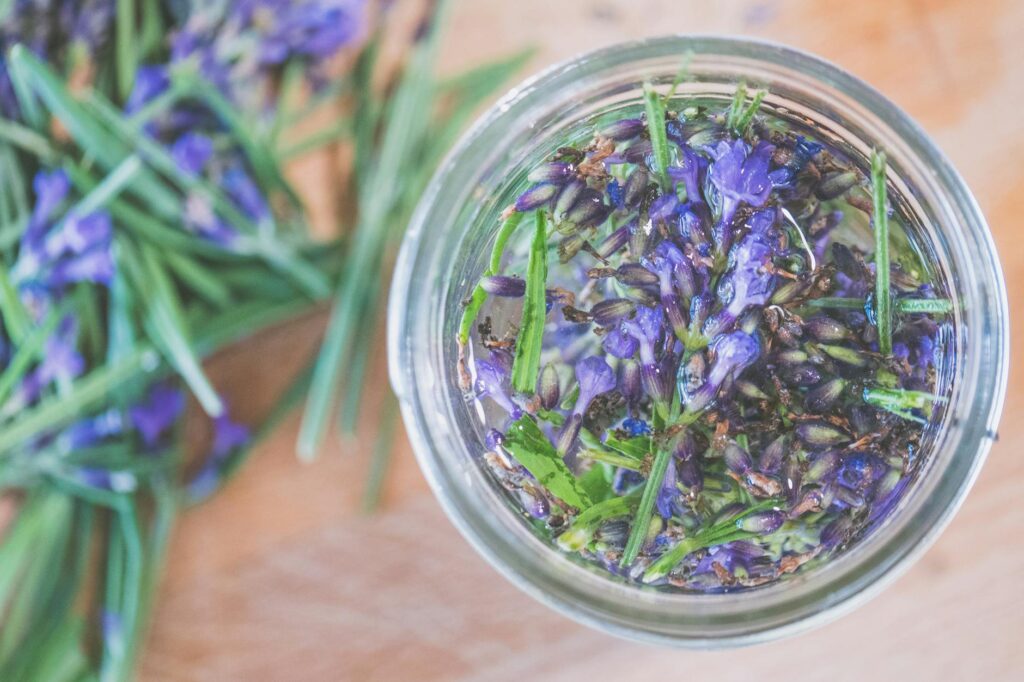
Herbal infused vinegars are simple concoctions made by immersing fresh or dried herbs in vinegar, allowing the flavors and properties of the herbs to transfer into the liquid. Various types of vinegar can be used for these infusions, including apple cider vinegar, white wine vinegar, and rice vinegar. The choice of vinegar often depends on the intended use and flavor profile desired.
The process of making herbal infused vinegar is relatively straightforward. Typically, herbs are combined with vinegar in a jar, sealed, and left to steep for a specified period—commonly two weeks. During this time, the vinegar absorbs the essential oils, flavors, and potential health properties of the herbs.
Key Benefits and Properties
Nutritional Benefits
Herbal infused vinegars may offer various nutritional benefits, depending on the herbs used. For instance, vinegar itself is often praised for its potential ability to aid digestion and support healthy blood sugar levels. When combined with herbs like rosemary or thyme, these infusions may also provide antioxidants and anti-inflammatory properties.
Flavor Enhancements
One of the most noticeable benefits of herbal infused vinegars is their ability to enhance the flavor of meals. They can add a unique twist to salads, marinades, and sauces, making them a versatile addition to any kitchen.
Culinary Uses
Herbal infused vinegars can be used in a variety of culinary contexts. For example, they can be drizzled over roasted vegetables, used as a salad dressing, or incorporated into sauces and marinades. The depth of flavor they provide can elevate simple dishes into gourmet experiences.
Common Uses
1. Salad Dressings: Combine herbal infused vinegar with olive oil, salt, and pepper for a quick and flavorful dressing.
2. Marinades: Use herbal infused vinegar as a base for marinades to impart flavor to meats, tofu, or vegetables before grilling or roasting.
3. Pickling: Herbal infused vinegars can be used in pickling recipes, imparting a distinct flavor to pickled vegetables.
4. Sauces and Soups: Incorporate herbal infused vinegar in sauces or soups for added depth and complexity.
5. Beverages: Some people enjoy mixing herbal infused vinegars with water or sparkling water for a refreshing drink.
Aromatherapy Applications
While herbal infused vinegars are primarily culinary, they can also play a role in aromatherapy. The essential oils present in the herbs used for infusion may have aromatic properties that can enhance mood and promote relaxation.
Diffusion and Inhalation
Herbal infused vinegar can be used in homemade room sprays or potpourri. When combined with water and essential oils, they can create a fragrant mist that can be sprayed in living spaces to uplift the atmosphere.
Bath Soaks
Adding a small amount of herbal infused vinegar to a warm bath may offer a soothing experience. The aromatic properties of the herbs can create a calming environment, enhancing relaxation during bath time.
Compresses
For a refreshing compress, herbal infused vinegar can be diluted with water and applied to the skin. This method may provide an aromatic experience and can be soothing after a long day.
Safety Considerations
When using herbal infused vinegars, it is essential to consider a few safety guidelines:
1. Allergies: Be aware of any allergies to specific herbs. Always perform a patch test before applying infused vinegar to the skin.
2. Quality of Ingredients: Use high-quality herbs and vinegar to ensure a safe and flavorful infusion. Organic ingredients are often recommended to avoid pesticides and additives.
3. Consultation: It is advisable to consult with a healthcare professional before using herbal infused vinegars as remedies, especially for individuals with pre-existing conditions or those taking medications.
4. Storage: Ensure that infused vinegars are stored properly to avoid spoilage. Homemade infusions should be kept in a cool, dark place and used within a reasonable timeframe.
Storage and Shelf Life
The shelf life of herbal infused vinegars can vary based on the ingredients and storage conditions. Generally, when stored in a cool, dark place in a tightly sealed container, they can last for up to one year. However, the flavor and potency may diminish over time.
Tips for Storage
- Labeling: Always label your infused vinegars with the date of preparation and the herbs used.
- Glass Containers: Use dark glass containers to protect the infusion from light, which can degrade the quality of the vinegar over time.
- Refrigeration: While not necessary, refrigerating your herbal infused vinegars can extend their freshness, particularly in warm climates.
Frequently Asked Questions
1. How long does it take to make herbal infused vinegar?
Typically, herbal infused vinegars take about two weeks to steep, allowing adequate time for the flavors and properties of the herbs to infuse into the vinegar.
2. Can I use dried herbs for infusions?
Yes, dried herbs can be used in herbal infused vinegars. However, fresh herbs may provide a more vibrant flavor and aroma.
3. Are there specific herbs that are better for infusion?
Common herbs for infusion include rosemary, thyme, basil, oregano, and sage. Each herb offers unique flavors and potential benefits, so the choice depends on personal preference and the intended use.
4. Can I use herbal infused vinegar for cleaning?
While some people use vinegar for cleaning due to its antibacterial properties, it is important to note that herbal infused vinegars may not have the same potency as plain vinegar for cleaning purposes.
5. Are there any herbs to avoid when making infused vinegars?
Generally, it is best to avoid herbs that are known to be toxic or irritating, such as certain members of the nightshade family. Always research the safety of any herb before using it in an infusion.
Conclusion
Herbal infused vinegars represent a harmonious blend of culinary enjoyment and potential health benefits. By understanding their properties, uses, and safety considerations, individuals can incorporate these delightful infusions into their kitchens and homes. Whether used to enhance flavors in dishes, add aromatic qualities to living spaces, or simply enjoyed for their unique taste, herbal infused vinegars offer a world of possibilities worth exploring.