
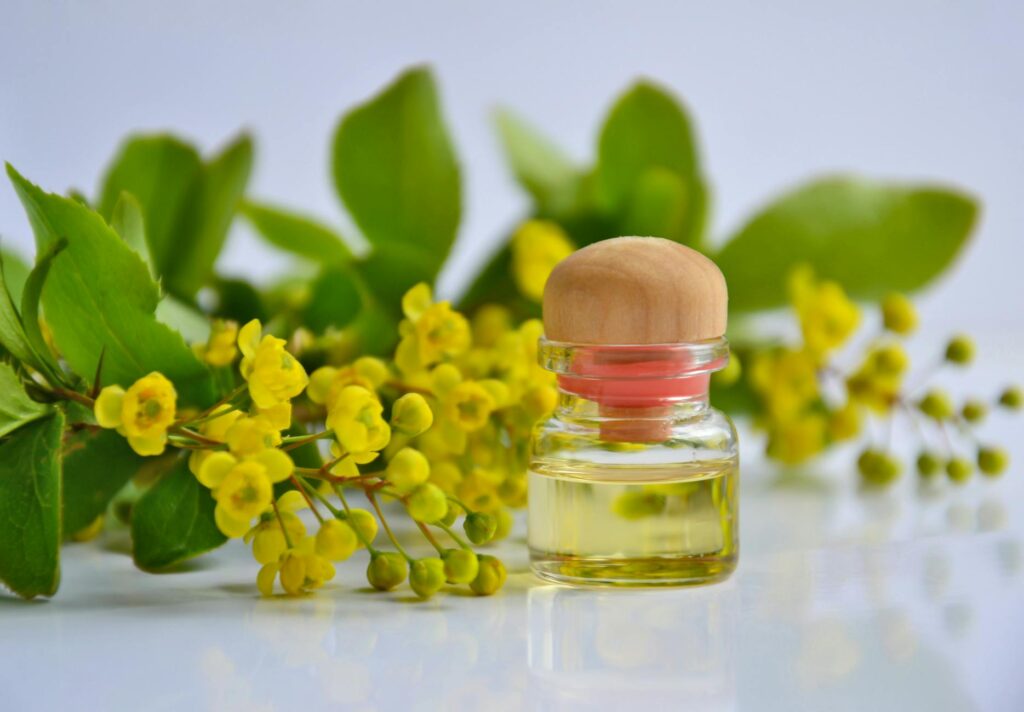
Complete Guide to Herbal Infused Vinegars
Introduction
Herbal infused vinegars have gained popularity in recent years as a versatile and flavorful addition to culinary practices, home remedies, and even aromatherapy. These vinegars combine the tangy essence of vinegar with the aromatic and therapeutic properties of various herbs, creating a product that is not only beneficial for health but also enhances the flavor profile of numerous dishes. This guide will explore what herbal infused vinegars are, their benefits, uses, and safety considerations, offering a comprehensive overview of this delightful infusion.
What Is Herbal Infused Vinegars?
Herbal infused vinegars are created by steeping fresh or dried herbs in a vinegar base, allowing the flavors, aromas, and beneficial properties of the herbs to infuse into the vinegar. The process of infusion extracts the essential oils and nutrients from the herbs, resulting in a flavorful liquid that can be used in various culinary and holistic applications.
The choice of vinegar can vary, with options ranging from apple cider vinegar to white wine vinegar or rice vinegar. Each type of vinegar offers a unique flavor profile and potential health benefits, making it essential to choose one that complements the herbs being used.
Key Benefits and Properties
1. Flavor Enhancement: Herbal infused vinegars add depth and complexity to salads, marinades, and sauces. They can elevate the taste of simple dishes and are often used as a finishing touch in gourmet cooking.
2. Nutritional Value: Depending on the herbs used, these vinegars can contain a range of vitamins, antioxidants, and other beneficial compounds. For instance, using herbs like basil, thyme, or rosemary can contribute various nutrients.
3. Digestive Support: Vinegar itself, particularly apple cider vinegar, is often associated with digestive health. Infusing it with herbs can enhance these properties, providing a flavorful way to promote digestive wellness.
4. Preservation: The acidic nature of vinegar acts as a natural preservative, allowing infused vinegars to have a longer shelf life than many herbal preparations. This makes them an excellent choice for those looking to preserve seasonal herbs.
5. Versatile Applications: Herbal infused vinegars can be used in cooking, as a natural cleaning agent, or even in beauty routines, showcasing their multifunctional nature.
Common Uses
Herbal infused vinegars can be utilized in various ways:
- Culinary Applications: Incorporate them into salad dressings, marinades, and sauces. A splash can also enhance the flavor of soups or stews.
- Flavoring Beverages: Dilute herbal vinegars in water, sparkling water, or cocktails for a refreshing drink that is both flavorful and potentially beneficial.
- Preserving Foods: Use infused vinegars to pickle vegetables or enhance the flavor of homemade sauces and condiments.
- Household Cleaning: The antimicrobial properties of vinegar can make it an effective cleaning agent when combined with herbs like lavender or lemon balm.
- Beauty Routines: Some individuals use herbal infused vinegars as hair rinses or skin toners, capitalizing on the natural properties of the herbs.
- Inhalation: The aromatic steam from hot water mixed with herbal infused vinegar can provide a fragrant experience that may evoke relaxation or invigoration.
- Cleaning Rituals: Using herbal infused vinegars in cleaning can create a pleasant environment, promoting a sense of well-being while tidying your space.
- Meditative Practices: Incorporating herbal infused vinegars in your setting can enhance the atmosphere during meditation or yoga practices, especially if the chosen herbs promote calmness and clarity.
- Containers: Use clean, sterilized glass bottles or jars with airtight seals to store your infused vinegars. Dark glass helps protect the contents from light, which can degrade the quality.
- Labeling: Clearly label your infused vinegar with the date of preparation and the herbs used. This will help you keep track of freshness.
- Shelf Life: Most herbal infused vinegars can last for up to a year when stored properly. However, it’s best to use them within 6 to 12 months for optimal flavor and effectiveness.
Aromatherapy Applications
While herbal infused vinegars are not primarily used in traditional aromatherapy, they can complement many practices associated with this holistic approach. The aromatic qualities of the herbs used can enhance the sensory experience of various rituals:
Safety Considerations
While herbal infused vinegars are generally safe for culinary and household use, consider the following precautions:
1. Vinegar Type: Choose high-quality, food-grade vinegar to ensure safety and efficacy. Avoid vinegars that are not intended for consumption.
2. Herb Selection: Be mindful of the herbs you choose to infuse. Some herbs may interact with medications or may not be suitable for certain individuals. Research and select herbs that are known for their safe culinary use.
3. Allergies: Always consider potential allergies to specific herbs, especially if you are using them for the first time.
4. Dilution: When using herbal infused vinegars for consumption, it is advisable to dilute them with water or use them in moderation to avoid overwhelming acidity.
5. Avoiding Contamination: Ensure that all utensils and containers used for infusion are clean to prevent contamination.
Storage and Shelf Life
Herbal infused vinegars can generally be stored in a cool, dark place, such as a pantry or cupboard. Here are some storage tips:
Frequently Asked Questions
1. How long does it take to infuse herbs in vinegar?
The infusion process typically takes anywhere from 1 to 4 weeks, depending on the herbs used and the desired strength of flavor. Taste periodically to determine when it meets your preference.
2. Can I use dried herbs for infusion?
Yes, dried herbs can be used for infusion. They may yield a more concentrated flavor, so adjust the amount accordingly.
3. What herbs are best for infusion?
Popular herbs for infusion include basil, rosemary, thyme, oregano, and garlic. However, feel free to experiment with other herbs that suit your palate or culinary needs.
4. Can I use infused vinegar in cooking?
Absolutely! Herbal infused vinegars can enhance the flavor of various dishes. Use them in dressings, marinades, and sauces, or as a finishing touch to elevate your meals.
5. Are there any herbs I should avoid?
Some herbs may have contraindications or may not be safe for consumption in large amounts. Research each herb carefully, especially if you have existing health conditions or are pregnant.
Conclusion
Herbal infused vinegars offer an exciting and beneficial way to incorporate the flavors and properties of herbs into everyday life. From enhancing culinary dishes to serving as natural household cleaners, the versatility of these infused vinegars is remarkable. By understanding their benefits, uses, and safety considerations, you can confidently explore this delightful practice and enjoy the rich flavors and potential advantages they bring to your home and kitchen.