
Complete Guide to Herbal Infused Water
Introduction
Herbal infused water has gained popularity as a refreshing alternative to traditional beverages. This simple yet versatile preparation harnesses the flavors, aromas, and potential benefits of various herbs, making it a delightful addition to daily hydration routines. This guide explores the concept of herbal infused water, its benefits, common uses, and safety considerations, providing a comprehensive overview for those interested in integrating this practice into their lifestyle.
What Is Herbal Infused Water?
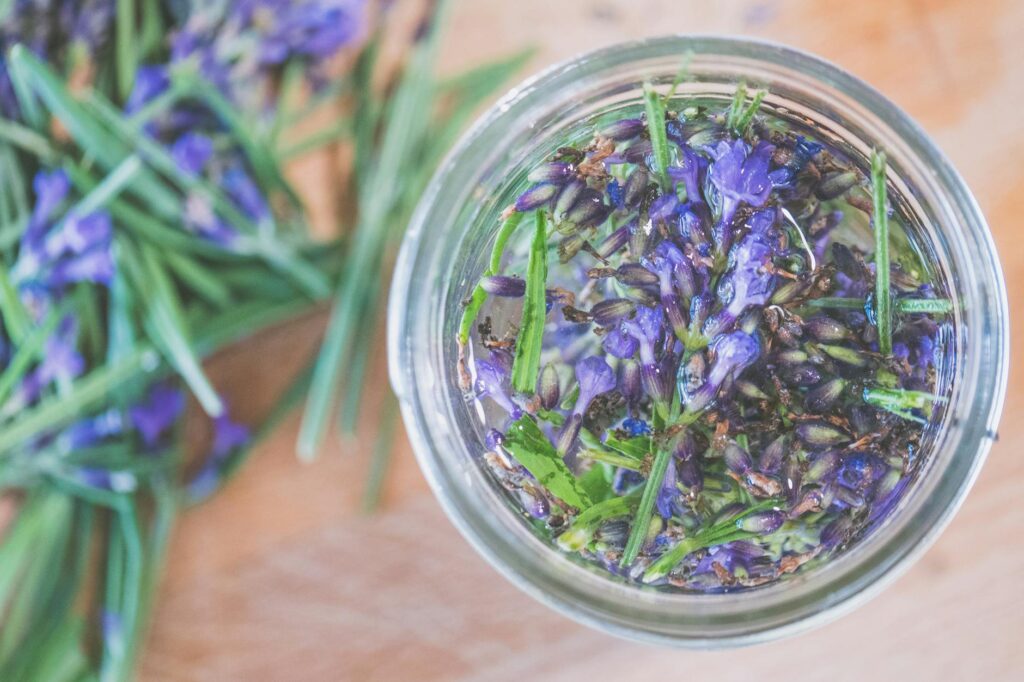
Herbal infused water is created by steeping fresh or dried herbs in water, allowing the flavors, essential oils, and beneficial compounds to infuse into the liquid. Unlike herbal teas, which are typically brewed with hot water, herbal infused water can be prepared using cold or room temperature water, making it a refreshing drink suitable for warm weather.
The infusion process allows for a gentle extraction of the herbs’ properties, resulting in a subtly flavored beverage that can be enjoyed on its own or as a base for other drinks. Common herbs used for infusion include mint, basil, rosemary, and chamomile, among many others.
Key Benefits and Properties
Herbal infused water offers several potential benefits, although these can vary depending on the herbs used. Some of the key properties include:
1. Hydration: Infused water is a flavorful alternative to plain water, encouraging increased fluid intake and helping to maintain hydration.
2. Flavor Enhancement: The infusion process introduces a variety of flavors, making hydration more enjoyable. This can be particularly beneficial for those who struggle to drink enough water throughout the day.
3. Aromatic Qualities: The aromatic compounds in herbs can enhance the sensory experience of drinking water, providing a moment of relaxation or upliftment.
4. Nutrient Contribution: While herbal infused water is not a replacement for herbal teas or tinctures, it can contain trace amounts of vitamins, minerals, and antioxidants from the infused herbs.
5. Digestive Support: Certain herbs, like peppermint and ginger, are traditionally associated with digestive benefits, making them popular choices for infusion.
6. Cultural and Culinary Exploration: Infusing water with various herbs allows individuals to explore different culinary traditions and flavors from around the world.
Common Uses
Herbal infused water can be utilized in a variety of ways, including:
- Drinking: The most common use is as a refreshing beverage, enjoyed chilled or at room temperature. Infused water can be sipped throughout the day or served at meals.
- Cocktails and Mocktails: Herbal infused water can serve as a flavorful base for cocktails or non-alcoholic beverages, adding complexity and aroma.
- Cooking: Use herbal infused water to enhance the flavor of soups, stews, grains, or sauces. It can impart a subtle herbal note to dishes.
- Ice Cubes: Freeze herbal infused water in ice cube trays for use in drinks, adding both flavor and visual appeal.
- Spa and Wellness: Herbal infused water can be used in wellness practices, such as foot soaks or as a component in homemade facial mists.
- Atmospheric Enhancement: Use herbal infused water in a diffuser or a potpourri to create a pleasant aromatic environment. The subtle scents of the herbs can contribute to a calming or invigorating atmosphere.
- Mist Sprays: Create a refreshing body or room mist by combining herbal infused water with a few drops of essential oils. This can enhance the aromatic experience and provide additional sensory benefits.
- Bathing Rituals: Add herbal infused water to bathwater for a soothing and aromatic experience. The scents can promote relaxation and enhance the overall bathing experience.
- Meditation and Mindfulness: Using herbal infused water as part of a meditation or mindfulness practice can create a sensory anchor, enhancing focus and relaxation.
- Refrigeration: Always store herbal infused water in the refrigerator to maintain freshness. Use a clean, airtight container to minimize exposure to air and contaminants.
- Duration: Herbal infused water is best consumed within 3-5 days. After this period, the flavor may diminish, and there is an increased risk of spoilage.
- Signs of Spoilage: If you notice any off-smells, unusual colors, or the presence of mold, discard the infused water immediately.
Aromatherapy Applications
The aromatic qualities of herbal infused water can be complemented by essential oils, although care should be taken to ensure proper dilution and safety. Here are some ways to incorporate aromatherapy principles:
Safety Considerations
While herbal infused water is generally safe for most individuals, there are some considerations to keep in mind:
1. Allergies: Be aware of any allergies or sensitivities to specific herbs. Always consult with knowledgeable sources or professionals if uncertain about the safety of a particular herb.
2. Quality of Ingredients: Use fresh, organic herbs whenever possible to avoid pesticides or contaminants. If using dried herbs, ensure they are from reputable sources.
3. Pregnancy and Medical Conditions: Certain herbs may not be suitable for pregnant individuals or those with specific medical conditions. It is essential to research and consult knowledgeable sources regarding the use of particular herbs.
4. Infusion Duration: When infusing herbs, avoid prolonged steeping times, as this can lead to bitter or overly strong flavors. Typically, 1-4 hours is sufficient for cold infusions.
5. Storage: Herbal infused water should be stored in the refrigerator and consumed within a few days to ensure freshness and prevent spoilage.
Storage and Shelf Life
The shelf life of herbal infused water depends on several factors, including the herbs used, the infusion method, and storage conditions:
Frequently Asked Questions
Q: Can I use any herb for infusion?
A: While many herbs are suitable for infusion, some are more commonly used due to their flavor and aromatic qualities. Always research specific herbs before use, particularly if you have allergies or sensitivities.
Q: How long should I steep the herbs?
A: For cold infusions, steeping for 1-4 hours is generally sufficient. For hot infusions, steeping time can vary based on the herb but typically ranges from 5-15 minutes.
Q: Can I mix different herbs in one infusion?
A: Yes, mixing herbs can create unique flavor profiles. However, consider the compatibility of the herbs, as some may overpower others.
Q: Is herbal infused water the same as herbal tea?
A: No, herbal infused water is typically prepared with cold or room temperature water, while herbal tea is brewed with hot water. The extraction process and flavor intensity may also differ.
Q: Can I sweeten herbal infused water?
A: Yes, you can add natural sweeteners like honey or agave syrup if desired. However, this is optional, as many people enjoy the natural flavors of the herbs.
Q: Are there any herbs I should avoid?
A: Some herbs may have contraindications or be unsuitable for certain individuals. Research and consult knowledgeable sources before using herbs known for potential interactions or side effects.
Conclusion
Herbal infused water is a delightful and health-conscious way to enhance hydration, explore flavors, and enjoy the aromatic qualities of various herbs. By understanding the process, benefits, and safety considerations, individuals can incorporate this practice into their daily routines, creating a refreshing and enjoyable beverage that celebrates the natural world. Whether enjoyed on its own or as part of a larger culinary experience, herbal infused water can be a vibrant addition to a holistic lifestyle.