
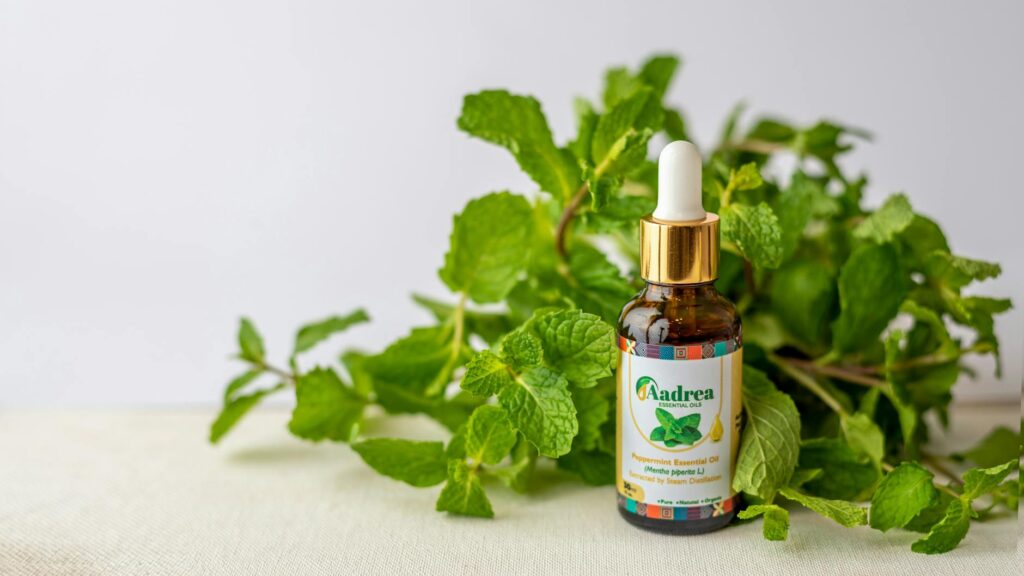
Complete Guide to Herbal Infusions Part 5
Introduction
Herbal infusions are a foundational practice in herbalism and aromatherapy, offering a simple yet effective way to extract the beneficial properties of various plants. This guide aims to explore the intricacies of herbal infusions, outlining their benefits, common uses, and applications in aromatherapy. By understanding the various aspects of herbal infusions, you can integrate them into your wellness routine and expand your knowledge of plant-based remedies.
What Is Herbal Infusions?
Herbal infusions are beverages made by steeping herbs in hot water, allowing the active compounds within the plant materials to dissolve and release their properties. Unlike decoctions, which involve simmering tougher plant materials like roots and barks, infusions are typically made with softer plant parts, such as leaves, flowers, and tender stems. The process of creating an herbal infusion is simple and involves the following steps:
1. Select the Herbs: Choose fresh or dried herbs based on the desired flavor and benefits.
2. Boil Water: Heat water to just below boiling point, ideally around 200°F (93°C).
3. Steep the Herbs: Pour the hot water over the herbs and allow them to steep for 5 to 15 minutes, depending on the herb and the desired strength.
4. Strain and Serve: Remove the herbs by straining the infusion and enjoy it hot or cold.
The result is a flavorful and aromatic beverage that can be consumed for enjoyment or wellness purposes.
Key Benefits and Properties
Herbal infusions offer a multitude of benefits, largely influenced by the specific herbs used. Some general benefits include:
- Hydration: Herbal infusions provide a flavorful alternative to plain water, helping to improve hydration levels.
- Nutrient Intake: Many herbs are rich in vitamins, minerals, and antioxidants, which can contribute to overall health.
- Digestive Support: Certain herbs may assist in digestion, alleviating discomfort and promoting gut health.
- Relaxation and Stress Relief: Many infusions incorporate calming herbs that can help reduce anxiety and promote relaxation.
- Flavor Enhancement: Herbal infusions can be enjoyed for their unique flavors and aromatic qualities, making them a delightful addition to your beverage repertoire.
- Beverages: Consumed as a tea or iced drink, herbal infusions can be a refreshing and healthful addition to your daily routine.
- Culinary Enhancements: Use herbal infusions as a base for soups, sauces, or marinades to impart flavor and nutrients.
- Bath Soaks: Add cooled herbal infusions to bathwater for a soothing and aromatic experience.
- Compresses: Use cooled herbal infusions as a compress on the skin for minor irritations or to reduce inflammation.
- Room Sprays: Combine herbal infusions with essential oils and distilled water to create a natural room spray that refreshes and uplifts the atmosphere.
- Massage Oils: Infuse carrier oils with herbal extracts to create aromatic massage oils that provide both therapeutic benefits and a pleasant scent.
- Diffusion: While not typically recommended for diffusing, certain herbal infusions can be added to a diffuser in small amounts to create a soothing ambiance when combined with essential oils.
- Inhalation: Herbal infusions can be inhaled for their aromatic properties, providing a natural way to experience the benefits of the herbs.
- Quality of Herbs: Use high-quality, organic herbs free from pesticides or contaminants. Always source herbs from reputable suppliers.
- Allergies and Sensitivities: Be aware of any allergies or sensitivities to specific herbs. Conduct a patch test or consult with a knowledgeable herbalist if unsure.
- Pregnancy and Nursing: Some herbs may not be suitable during pregnancy or nursing. It’s advisable to research specific herbs or consult with a healthcare professional knowledgeable in herbal practices.
- Interactions with Medications: Certain herbs can interact with medications. If you are taking prescription medications or have underlying health conditions, consult with a qualified practitioner before incorporating new herbs into your routine.
- Cool, Dark Place: Store prepared herbal infusions in a cool, dark place, away from direct sunlight and heat sources.
- Refrigeration: If not consumed immediately, herbal infusions should be refrigerated and used within 3 to 5 days to prevent spoilage.
- Sealed Containers: Use airtight containers to minimize exposure to air and moisture, which can degrade the infusion’s quality.
- Dried Herbs: Store dried herbs in airtight containers in a cool, dark location to extend their shelf life, usually up to one year.
Common Uses
Herbal infusions can be utilized in various ways, depending on the specific herbs chosen. Some common uses include:
The versatility of herbal infusions makes them an accessible option for enhancing both flavor and wellness.
Aromatherapy Applications
In the realm of aromatherapy, herbal infusions can be used to complement essential oils and enhance therapeutic practices. Here are a few applications:
Integrating herbal infusions into aromatherapy practices can enhance the sensory experience and promote relaxation or invigoration, depending on the chosen herbs.
Safety Considerations
While herbal infusions are generally safe for most individuals, it is essential to consider a few safety guidelines:
Taking these precautions can help ensure that your experience with herbal infusions is safe and enjoyable.
Storage and Shelf Life
Proper storage is crucial to maintain the quality and safety of herbal infusions. Here are some guidelines:
By following these storage guidelines, you can ensure that your herbal infusions remain fresh and potent.
Frequently Asked Questions
Can I use any herb for infusions?
Not all herbs are suitable for infusions. While many culinary and medicinal herbs can be safely infused, some may be too potent or potentially harmful. Always research specific herbs beforehand.
How do I know how long to steep my infusion?
Steeping times can vary based on the herb and your personal preference. Generally, softer herbs like chamomile can steep for 5 to 10 minutes, while more robust herbs like peppermint may benefit from 10 to 15 minutes.
Can I sweeten my herbal infusion?
Yes, feel free to sweeten your herbal infusion with honey, agave syrup, or other natural sweeteners according to your taste preferences.
Are herbal infusions the same as herbal teas?
While herbal infusions are often referred to as herbal teas, the term “tea” is traditionally reserved for beverages made from the leaves of the Camellia sinensis plant (green, black, oolong, etc.). Herbal infusions can be considered a type of herbal tea, but they encompass a broader range of plant materials.
How can I experiment with herbal infusions?
Feel free to mix different herbs to create your unique blends. Consider the flavors, aromas, and intended benefits of each herb to craft infusions that suit your preferences and needs.
Conclusion
Herbal infusions are a versatile and enriching addition to your wellness practices, offering a simple way to harness the power of plants. By understanding their benefits, uses, and safety considerations, you can confidently explore the world of herbal infusions and enhance your life through the art of herbalism. Whether enjoyed as a beverage, used in cooking, or integrated into aromatherapy, herbal infusions can provide a delightful and healthful experience.