
Complete Guide to Herbal Infusions Part 6
Introduction
Herbal infusions, a time-honored method of extracting the beneficial properties of plants, have captured the interest of herbalists, aromatherapists, and wellness enthusiasts alike. This guide aims to provide comprehensive insights into herbal infusions, emphasizing their benefits, applications, and safe practices. As part six of our series on herbal infusions, this article delves deeper into the world of these botanical brews, offering valuable information for both novices and seasoned practitioners.
What Is Herbal Infusions?
Herbal infusions are created by steeping dried or fresh plant materials—such as leaves, flowers, or stems—in hot water. This process allows the water to extract the essential oils, volatile compounds, and nutrients from the plant, resulting in a flavorful and aromatic beverage or substance. While commonly associated with teas, herbal infusions extend beyond mere consumption; they can also be utilized in various applications including skincare, aromatherapy, and culinary arts.
Types of Herbal Infusions
There are two primary types of herbal infusions:
1. Cold Infusions: This method involves steeping herbs in cold water for an extended period, usually several hours or overnight. Cold infusions are often used for delicate herbs and flowers, preserving their light flavors and subtle aromas.
2. Hot Infusions: The more traditional method, hot infusions, involves boiling water poured over the herbs, allowing for a quicker extraction of flavors and beneficial compounds. This technique is commonly employed for tougher herbs like roots and bark.
Key Benefits and Properties
Herbal infusions are celebrated for their multifaceted benefits, which can vary depending on the specific herbs used. Some general benefits include:
- Hydration: Herbal infusions are primarily water-based, making them a refreshing and hydrating beverage.
- Nutrient Absorption: Many herbs are rich in vitamins, minerals, and antioxidants, which can support overall health and well-being.
- Flavor Enhancement: Herbal infusions offer a natural way to enhance flavors in culinary dishes without relying on artificial additives or sugars.
- Aromatherapy: The aromatic qualities of herbal infusions can promote relaxation and uplift mood, making them a valuable addition to wellness routines.
- Chamomile: Known for its soothing properties, chamomile is often used to promote relaxation and aid digestion.
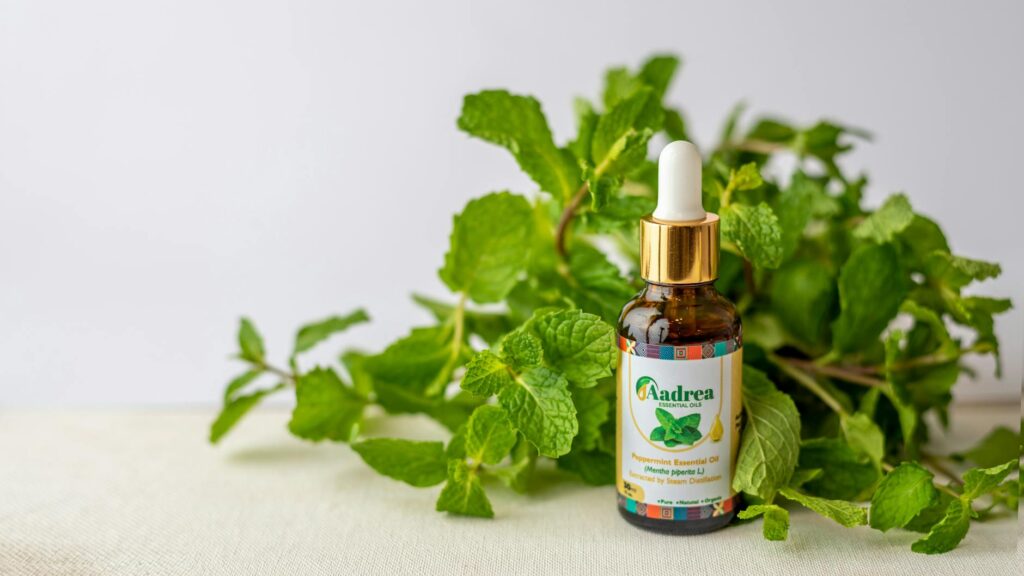
- Peppermint: This invigorating herb is prized for its refreshing flavor and potential digestive benefits.
- Hibiscus: Rich in antioxidants, hibiscus infusions are often noted for their vibrant color and tart flavor.
- Lavender: Renowned for its calming scent, lavender infusions can help reduce stress and foster a sense of tranquility.
- Steam Inhalation: Adding herbal infusions to steam inhalation sessions can enhance the aromatic experience and provide additional therapeutic benefits.
- Diffusion: While not as potent as essential oils, herbal infusions can be warmed and diffused to fill a space with a gentle, pleasant aroma.
- Bath Soaks: Herbal-infused waters can be added to bathwater, creating a relaxing environment and enriching the bathing experience with soothing scents.
- Massage Blends: Infusions can be combined with carrier oils to create aromatic massage oils, providing both scent and hydration to the skin.
- Cool, Dark Place: Store herbal infusions in glass containers in a cool, dark place to prevent degradation from light and heat.
- Refrigeration: If the infusion is not consumed immediately, refrigeration can help extend its shelf life. Most herbal infusions can last in the refrigerator for about 5 to 7 days.
- Freezing: For longer storage, consider freezing herbal infusions in ice cube trays. This allows for easy portioning and use in future culinary applications or skincare routines.
- Choose your herbs (dried or fresh).
- Measure approximately 1 to 2 tablespoons of herbs per cup of water.
- Boil water and pour it over the herbs in a heatproof container.
- Cover and steep for 5 to 15 minutes, depending on the type of herb and desired strength.
- Strain and enjoy.
Properties of Common Herbs Used in Infusions
Common Uses
Herbal infusions can be utilized in a variety of contexts, making them versatile additions to daily life:
1. Beverages: The most popular use, herbal infusions can be enjoyed hot or iced, often sweetened with honey or paired with lemon for added flavor.
2. Culinary Applications: Herbal infusions can be used in cooking, as bases for soups, sauces, or marinades, adding depth and character to dishes.
3. Skincare: Herbal infusions can be applied topically, serving as soothing rinses for hair or skin, or incorporated into DIY skincare formulations.
4. Household Cleaning: Certain herbal infusions, such as those made from citrus peels or herbs with antibacterial properties, can be used as natural cleaning solutions.
Aromatherapy Applications
Aromatherapy, the practice of using essential oils and aromatic compounds for therapeutic purposes, can benefit from the incorporation of herbal infusions. While herbal infusions themselves do not have the same concentrated essential oil content as oils, they can serve as a supportive element in an aromatherapy regimen. Here are some ways to integrate herbal infusions into aromatherapy:
Safety Considerations
While herbal infusions are generally considered safe for most individuals, there are several important considerations to keep in mind:
1. Allergies: Individuals should be aware of potential allergies to specific herbs and avoid infusions that contain those plants.
2. Pregnancy and Nursing: Some herbs may not be suitable for pregnant or nursing women. Always consult with a qualified herbalist or healthcare provider.
3. Interactions with Medications: Certain herbs can interact with medications, potentially altering their effectiveness or causing adverse effects. It is advisable to consult a healthcare professional before incorporating new herbs into your routine, especially if you are under medication.
4. Quality of Ingredients: Use high-quality, organic herbs whenever possible, and avoid those treated with pesticides or chemicals.
Storage and Shelf Life
Proper storage is essential to maintain the quality and potency of herbal infusions:
Frequently Asked Questions
1. How do I make a herbal infusion?
To make a herbal infusion, follow these simple steps:
2. Can I reuse herbs for infusions?
While you can reuse herbs for a second infusion, the flavor and potency will be diminished. For best results, it is advisable to use fresh herbs for each infusion.
3. Are herbal infusions safe for children?
Many herbal infusions are safe for children, but it’s essential to choose mild herbs and consult with a healthcare provider or qualified herbalist before introducing new infusions.
4. Can I use herbal infusions in cooking?
Yes, herbal infusions can enhance the flavor of various dishes. Use them as a base for soups, sauces, or even in baking to impart unique flavors.
5. What is the difference between herbal infusions and herbal teas?
The terms are often used interchangeably, but herbal infusions typically refer to more concentrated brews made from a wider variety of plant materials, while herbal teas may imply a more diluted version, often focusing on leaf-based infusions.
Conclusion
Herbal infusions represent a rich tapestry of cultural practices and wellness applications, offering an accessible way to incorporate the benefits of botanicals into everyday life. Whether enjoyed as a soothing beverage, used in culinary creations, or integrated into wellness routines, herbal infusions provide a versatile and flavorful avenue to explore the world of herbs. By understanding their benefits, applications, and safe practices, individuals can harness the power of nature in a thoughtful and enriching manner.