
Complete Guide to Herbal Mood-Boosting Essential Oil Blends
Introduction
In the realm of natural therapies, essential oils have gained prominence for their potential to enhance emotional well-being. Among the myriad of essential oils available, herbal mood-boosting blends stand out for their ability to uplift spirits and promote a sense of tranquility. This comprehensive guide explores the intricacies of these blends, their benefits, common applications, and how to safely incorporate them into your daily life.
What Is Herbal Mood-Boosting Essential Oil Blends?
Herbal mood-boosting essential oil blends are combinations of concentrated plant extracts derived from various herbs known for their uplifting and calming properties. These blends typically include oils from plants such as lavender, bergamot, rosemary, and chamomile, each contributing unique characteristics that support emotional health. When combined, these essential oils create synergistic effects that enhance mood, reduce stress, and promote relaxation.
Key Benefits and Properties
Emotional Upliftment
Many herbal essential oils have properties that can induce feelings of happiness and joy. For example, bergamot is renowned for its ability to alleviate feelings of sadness and anxiety, while sweet orange is often associated with a cheerful disposition.
Stress Reduction
Essential oils such as lavender and chamomile are celebrated for their calming effects. They can help reduce stress and tension, making them ideal for use in stressful environments or during challenging times.
Improved Focus and Clarity
Certain blends can promote mental clarity and focus. Rosemary, for instance, is often used to enhance cognitive function and memory, making it a valuable addition to mood-boosting blends.
Emotional Balance
Blends that include oils like ylang-ylang and frankincense can contribute to emotional equilibrium, helping to stabilize mood swings and promote a sense of overall well-being.
Common Uses
Diffusion
One of the most popular ways to use essential oil blends is through diffusion. Adding a few drops of mood-boosting blends to a diffuser can fill your space with uplifting aromas, creating a soothing atmosphere conducive to relaxation and emotional balance.
Topical Application
When diluted with a carrier oil, herbal essential oils can be applied topically to pulse points, such as wrists and neck. This method allows for direct contact with the skin, where the oils can be absorbed and their effects felt more quickly.
Bathing
Adding a few drops of essential oil blends to a warm bath can create an indulgent and restorative experience. The combined heat of the water and the aromatic properties of the oils can provide a sanctuary for stress relief.
Inhalation
Inhaling essential oils directly from the bottle or through a cotton ball is a simple yet effective way to experience their mood-enhancing benefits. This method is particularly useful in moments of acute stress or anxiety.
Aromatherapy Applications
Blends for Anxiety Relief
- Calming Blend: Lavender, chamomile, and sweet orange can create a soothing environment, ideal for unwinding after a long day.
- Joyful Blend: A combination of bergamot, grapefruit, and ylang-ylang can invigorate the spirit and promote feelings of happiness.
- Clarity Blend: Rosemary, peppermint, and lemon can help enhance concentration and stimulate mental clarity, making it suitable for study or work environments.
- Equilibrium Blend: Frankincense, patchouli, and geranium can help stabilize mood and provide emotional grounding during turbulent times.
- Dilution: Always dilute essential oils with a carrier oil before applying them to the skin to prevent irritation. A common ratio is 2-3 drops of essential oil per teaspoon of carrier oil.
- Patch Test: Conduct a patch test by applying a small amount of diluted oil to a small area of skin to check for any adverse reactions.
- Avoid Sensitive Areas: Keep essential oils away from sensitive areas such as the eyes and mucous membranes.
- Pregnancy and Nursing: Pregnant or nursing individuals should consult with a qualified professional before using essential oils, as some oils may not be safe during these periods.
- Children and Pets: Certain essential oils may not be suitable for children or pets. It is advisable to research specific oils and consult with a professional for guidance.
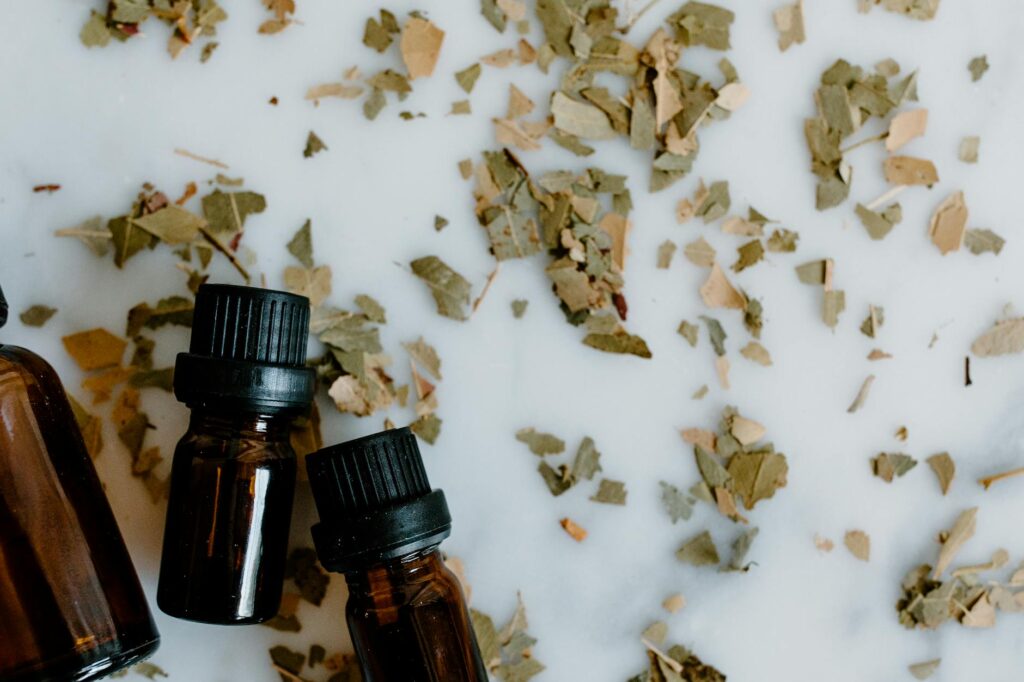
- Container: Store essential oils in dark glass bottles to protect them from light, which can degrade their quality over time.
- Temperature: Keep oils in a cool, dry place away from direct sunlight and heat sources.
- Shelf Life: While many essential oils can last for several years, their potency may diminish over time. Generally, citrus oils have a shorter shelf life (1-2 years), while oils like patchouli and sandalwood can last for many years when stored correctly.
Blends for Upliftment
Blends for Focus
Blends for Emotional Balance
Safety Considerations
While essential oils are generally safe when used correctly, it is essential to keep the following safety considerations in mind:
Storage and Shelf Life
To maintain the integrity of essential oils, proper storage is crucial:
Frequently Asked Questions
Can I create my own herbal mood-boosting blends?
Yes, creating your own blends can be a rewarding experience. Start by selecting essential oils that resonate with you and combine them in small quantities. Experimentation will help you discover personalized blends that enhance your mood.
How do I choose the right essential oil blend for my needs?
Identifying your emotional state and preferred scents can guide your choice. If you are feeling stressed, calming oils like lavender may be ideal. For upliftment, consider citrus oils like grapefruit or lemon.
Are there any contraindications for using essential oils?
Yes, some essential oils can interact with medications or may not be suitable for individuals with specific health conditions. It’s advisable to research each oil thoroughly or consult a qualified professional before use.
How long do the effects of essential oils last?
The duration of effects can vary based on the individual and the method of application. Diffusion may provide immediate benefits for a few hours, while topical applications may have longer-lasting effects depending on skin absorption.
Can essential oils replace traditional therapy?
While essential oils can provide support for emotional well-being, they should not be viewed as a substitute for professional mental health care. Always seek the guidance of a licensed mental health professional for serious emotional concerns.
Conclusion
Herbal mood-boosting essential oil blends offer a natural avenue for enhancing emotional well-being. By understanding their properties, applications, and safety considerations, individuals can effectively incorporate these aromatic treasures into their lives. Whether through diffusion, topical application, or inhalation, these essential oils can provide a much-needed boost of positivity and tranquility in our fast-paced world.