
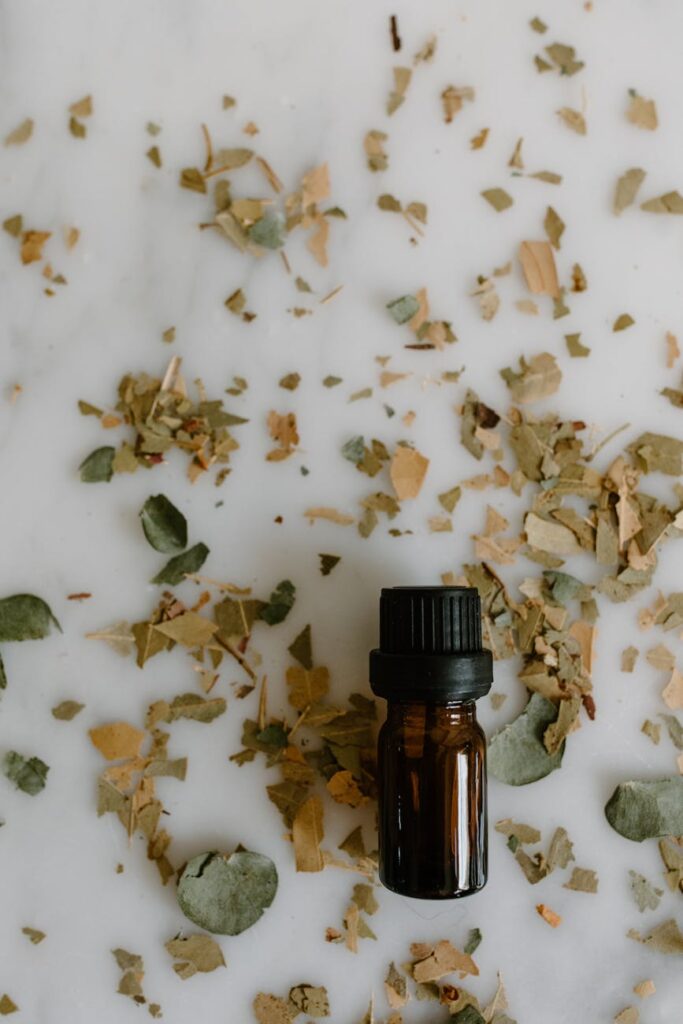
Complete Guide to Herbal Mood-Stabilizing Essential Oil Blends
Introduction
In today’s fast-paced world, many individuals seek natural methods to enhance their emotional well-being and promote a sense of balance. Among these methods, herbal mood-stabilizing essential oil blends have gained popularity for their potential calming and uplifting properties. This guide delves into the essence of these blends, exploring their benefits, uses, and safety considerations, offering a comprehensive understanding for those interested in incorporating them into their daily lives.
What Is Herbal Mood-Stabilizing Essential Oil Blends?
Herbal mood-stabilizing essential oil blends are combinations of concentrated extracts derived from plants, specifically designed to support emotional balance and enhance mood. These blends typically consist of essential oils known for their uplifting, calming, or grounding properties. Common ingredients may include lavender, bergamot, chamomile, and ylang-ylang, each contributing unique characteristics to the overall blend.
The therapeutic effects of these essential oils are attributed to their chemical composition, which can influence the limbic system—the part of the brain involved in emotions. When inhaled or applied topically (when diluted), these oils can evoke emotional responses, helping to alleviate feelings of anxiety, stress, or sadness.
Key Benefits and Properties
Herbal mood-stabilizing essential oil blends offer a range of potential benefits, including:
1. Calming Effects: Many essential oils, such as lavender and chamomile, possess calming properties that can help reduce stress and anxiety levels.
2. Mood Enhancement: Oils like bergamot and sweet orange are renowned for their uplifting qualities, assisting in combating feelings of sadness or lethargy.
3. Grounding and Centering: Essential oils such as vetiver and frankincense promote a sense of stability and grounding, making them ideal for meditation and mindfulness practices.
4. Improved Sleep Quality: Certain blends can support better sleep by creating a relaxing atmosphere, thereby enhancing overall mood and emotional stability.
5. Promoting Emotional Well-being: The synergistic effects of various essential oils can help in achieving emotional balance, reducing mood swings, and fostering a general sense of well-being.
Common Uses
Herbal mood-stabilizing essential oil blends can be utilized in various ways, including:
- Diffusion: Using an essential oil diffuser to disperse the aroma into the air, creating a calming environment.
- Topical Application: Diluting essential oils with a carrier oil (such as jojoba or coconut oil) for direct application to the skin, often on pulse points or areas of tension.
- Baths: Adding essential oil blends to bath water can provide a soothing experience for both the body and mind.
- Inhalation: Simply inhaling from the bottle or placing a few drops on a tissue can offer immediate emotional support.
- Dilution: Always dilute essential oils with a carrier oil before applying them to the skin to prevent irritation. A common dilution ratio is 2-3 drops of essential oil per teaspoon of carrier oil.
- Patch Test: Conduct a skin patch test before using a new essential oil blend to check for allergic reactions or sensitivities.
- Pregnancy and Medical Conditions: Individuals who are pregnant, nursing, or have certain medical conditions should consult with a healthcare professional before using essential oils.
- Children and Pets: Some essential oils are contraindicated for use around young children or pets. Ensure to research specific oils and their safety regarding different age groups and species.
- Containers: Store essential oils in dark glass bottles to protect them from light, which can degrade their quality.
- Temperature: Keep oils in a cool, dry place away from heat sources and direct sunlight. Excessive heat can alter their chemical composition.
- Shelf Life: While many essential oils have a long shelf life (up to several years), citrus oils tend to have a shorter shelf life, often ranging from 1-2 years. Regularly check for any signs of spoilage, such as cloudiness or a change in aroma.
Aromatherapy Applications
Aromatherapy, the practice of using aromatic plant extracts for therapeutic purposes, plays a significant role in the utilization of herbal mood-stabilizing essential oil blends. Here are some effective methods of application:
1. Aromatherapy Diffusers: These devices disperse essential oils into the air, allowing for a gentle release of fragrance that can influence mood over time.
2. Personal Inhalers: Small, portable inhalers can be filled with essential oil blends, providing users with immediate access to calming scents when needed.
3. Massage: Incorporating essential oil blends into massage oils enhances the physical benefits of touch with the emotional support of aromatherapy.
4. Scented Candles: Candles infused with essential oils can create a warm, inviting atmosphere while delivering the therapeutic properties of the oils.
5. Mindfulness Practices: Using essential oils during meditation or yoga can enhance focus and tranquility, promoting deeper states of relaxation and emotional clarity.
Safety Considerations
While herbal mood-stabilizing essential oil blends offer numerous benefits, it is essential to consider safety precautions:
Storage and Shelf Life
Proper storage of essential oils is crucial to maintaining their efficacy and prolonging shelf life. Here are key points to consider:
Frequently Asked Questions
1. Can essential oil blends be used for feelings of anxiety and stress?
Yes, many users find that certain essential oils, like lavender and bergamot, can help alleviate feelings of anxiety and stress. However, individual responses may vary.
2. How do I choose the right essential oil blend for my mood?
Consider your emotional state and the specific characteristics of different oils. For calming effects, look for blends with lavender, chamomile, or frankincense. For uplifting effects, consider blends with bergamot or sweet orange.
3. Are there any potential side effects of using essential oils?
While generally considered safe when used appropriately, some individuals may experience allergic reactions or skin irritations. Always perform a patch test and consult a professional if you have concerns.
4. Can I create my own blends at home?
Absolutely! Many individuals enjoy experimenting with different essential oils to create personalized blends that resonate with their moods and preferences. There are numerous resources available to guide you in blending techniques.
5. How often can I use essential oil blends?
You can use essential oil blends as often as needed, but consider individual sensitivity and the specific oils used. It’s advisable to take breaks or rotate oils to prevent desensitization.
Conclusion
Herbal mood-stabilizing essential oil blends offer a natural and aromatic approach to enhancing emotional well-being. By understanding the properties, benefits, and applications of these blends, individuals can incorporate them thoughtfully into their daily routines. As with any holistic practice, personal exploration and mindfulness are key to discovering what works best for each individual.