
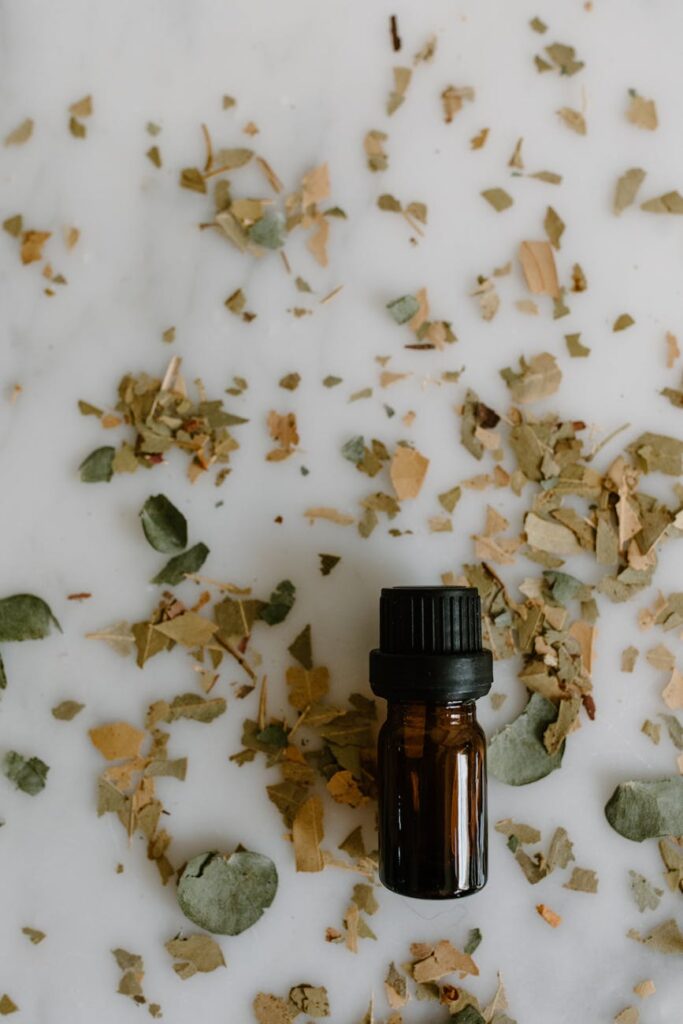
Complete Guide to Herbal Oils
Introduction
Herbal oils, often referred to as essential oils or aromatherapy oils, have captivated human interest for centuries. Derived from various parts of plants, these potent oils encapsulate the essence of their botanical origins. Used in a myriad of applications, from personal care to holistic wellness, herbal oils offer a wealth of benefits and aromatic experiences. This guide aims to illuminate the fundamental aspects of herbal oils, their benefits, uses, and safety considerations.
What Are Herbal Oils?
Herbal oils are concentrated extracts obtained from the leaves, flowers, bark, stems, or roots of plants. These oils capture the plant’s aromatic compounds, often referred to as “volatile oils.” The extraction methods can vary, with steam distillation and cold pressing being the most common techniques.
The composition of herbal oils can include a range of chemical constituents, such as terpenes, alcohols, esters, and phenols, each contributing to the oil’s unique fragrance and properties. Unlike carrier oils, which are vegetable oils used to dilute essential oils for topical applications, herbal oils are highly concentrated and should be used with care.
Key Benefits and Properties
Herbal oils are renowned for their wide-ranging benefits and properties, which vary depending on the plant source. Some of the key benefits include:
1. Aromatherapy: The inhalation of herbal oils can influence mood and emotional well-being. Oils like lavender are often associated with relaxation, while citrus oils like lemon may promote energy and alertness.
2. Antimicrobial Properties: Many herbal oils possess natural antimicrobial properties. For instance, tea tree oil is frequently used for its antiseptic qualities.
3. Anti-inflammatory Effects: Some oils, such as eucalyptus and peppermint, are known for their anti-inflammatory properties, which can help alleviate discomfort.
4. Skin Care: Herbal oils can offer benefits for the skin, including hydration, soothing irritation, and supporting overall skin health. Oils like rosehip and jojoba are popular in cosmetic formulations.
5. Mood Enhancement: The scents of certain herbal oils can evoke emotions and memories, providing a tool for enhancing mood or creating a desired atmosphere.
Common Uses
Herbal oils have a wide range of applications, making them versatile in both personal and professional contexts. Common uses include:
- Aromatherapy Diffusion: Herbal oils can be diffused in a room to create a calming environment or to invigorate the senses.
- Topical Applications: When diluted with a carrier oil, herbal oils can be applied to the skin for various benefits, from moisturizing to soothing.
- Massage Therapy: Many massage therapists incorporate herbal oils into their practice to enhance relaxation and alleviate muscle tension.
- Household Cleaning: Certain oils, such as lemon or eucalyptus, can be added to cleaning products for their antibacterial effects and pleasant fragrances.
- Natural Perfumes: The aromatic properties of herbal oils make them popular in natural fragrance formulations.
- Inhalation: Direct inhalation of herbal oils or using a diffuser can enhance mood, reduce stress, or promote relaxation.
- Massage: Combining herbal oils with carrier oils for massage therapy can help relieve tension and improve circulation.
- Baths: Adding herbal oils to bathwater can create a serene atmosphere while providing skin benefits.
- Compresses: Soaking a cloth in water infused with herbal oils can create a soothing compress for targeted relief.
- Scented Candles: Many individuals use herbal oils in homemade candles to fill their space with uplifting aromas.
- Dilution: Always dilute essential oils with a carrier oil before topical application to reduce the risk of skin irritation.
- Patch Testing: It is advisable to conduct a patch test before using an herbal oil on larger skin areas. Apply a diluted drop to a small area and monitor for any adverse reactions.
- Pregnancy and Nursing: Pregnant or nursing individuals should consult with a healthcare provider before using herbal oils, as some oils may not be safe during these periods.
- Children and Pets: Some herbal oils can be harmful to children and pets. It’s important to research the safety of specific oils in these contexts.
- Avoiding Ingestion: Unless under the guidance of a qualified professional, herbal oils should not be ingested. They are highly concentrated and can be toxic if consumed improperly.
- Storage: Store herbal oils in a cool, dark place, preferably in amber or cobalt glass bottles to protect them from light and heat.
- Expiration: Most herbal oils have a shelf life of 1 to 3 years, but this can vary widely. Citrus oils, for example, tend to have a shorter shelf life than woody oils.
- Signs of Spoilage: If an herbal oil develops an off smell, changes in color, or becomes cloudy, it may be spoiled and should be discarded.
Aromatherapy Applications
Aromatherapy is a holistic healing practice that utilizes herbal oils to promote physical and emotional well-being. The practice can include various applications:
Safety Considerations
While herbal oils are generally safe when used appropriately, certain precautions should be taken:
Storage and Shelf Life
The shelf life of herbal oils can vary significantly based on the type of oil and storage conditions. Here are some general guidelines to ensure longevity:
Frequently Asked Questions
1. What is the difference between essential oils and herbal oils?
Essential oils are a subset of herbal oils specifically extracted for their concentrated aromatic properties. All essential oils can be considered herbal oils, but not all herbal oils are essential oils, as some may be infused oils or carrier oils.
2. Can herbal oils be used for cooking?
While some herbal oils, like basil or oregano, can be used in culinary applications, many essential oils are not safe for consumption. Always verify the safety of an oil before considering it for culinary use.
3. How can I choose the right herbal oil for my needs?
Selecting the right herbal oil depends on your intended use and desired benefits. Research the properties of different oils, and consider factors such as aroma, therapeutic benefits, and personal preferences.
4. Are there any specific oils that should be avoided?
Certain oils may cause adverse reactions or be contraindicated for certain populations. For example, wintergreen and camphor oil can be toxic in high doses. Conduct thorough research and consult a professional if unsure.
5. Can I mix different herbal oils?
Yes, many individuals blend herbal oils to create unique scent profiles or enhance therapeutic effects. However, it is advisable to research compatibility and dilution ratios before mixing.
Conclusion
Herbal oils serve as a bridge between nature and wellness, offering a diverse range of applications and benefits. Whether you are exploring them for personal enjoyment, holistic practices, or household uses, understanding their properties and safety considerations is crucial. As you embark on your journey with herbal oils, may you find joy in their aromatic allure and the myriad of possibilities they present.