
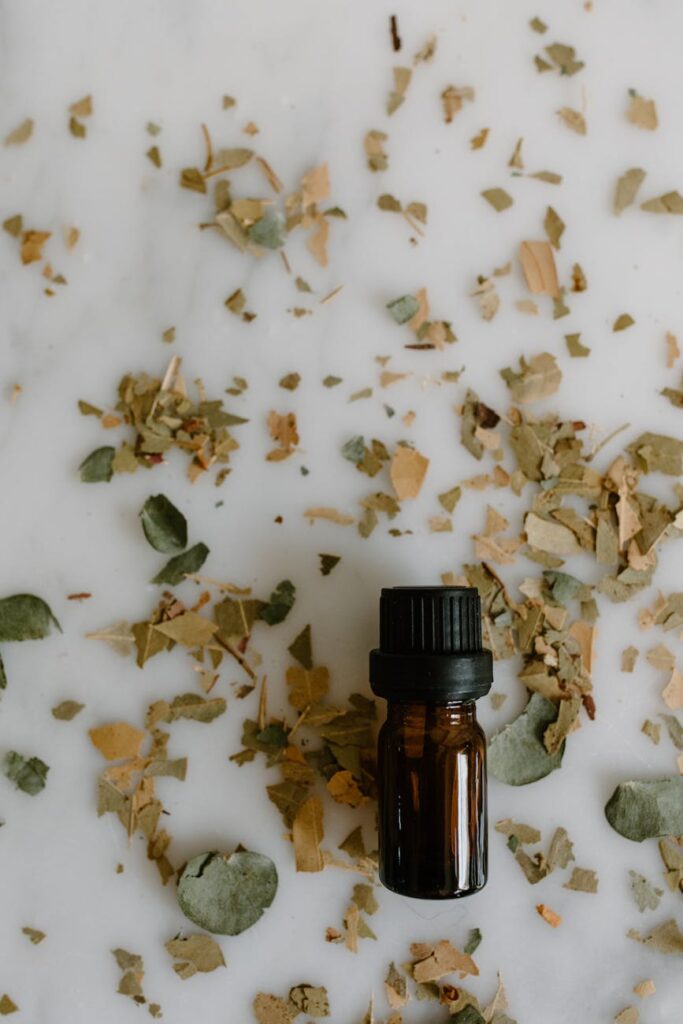
Complete Guide to Herbal Poultices
Introduction
Herbal poultices are traditional remedies that have been used for centuries across various cultures to promote healing and well-being. These applications utilize the therapeutic properties of plants, often combined with other natural ingredients, to create a paste or compress that can be applied directly to the skin. The use of herbal poultices is deeply rooted in the principles of herbalism and aromatherapy, providing a holistic approach to health. This guide aims to explore the concept of herbal poultices, their benefits, common uses, and safety considerations, providing a comprehensive understanding of this age-old practice.
What Is Herbal Poultices?
An herbal poultice is a soft, moist mass made from fresh or dried herbs that are crushed or ground and then mixed with a liquid to create a paste. This paste can be applied directly to the skin, often wrapped in a cloth for ease of use. The primary purpose of a poultice is to extract the beneficial properties of the herbs and deliver them through the skin, allowing for localized treatment.
The preparation of a poultice can vary depending on the herbs used and the intended application. Common methods include heating the herbs to enhance their potency, using cold mixtures for soothing effects, or incorporating carrier agents like honey or oil to improve adhesion and absorption.
Key Benefits and Properties
Herbal poultices offer a range of potential benefits and properties, including:
1. Pain Relief
Many herbs used in poultices, such as ginger and arnica, are known for their analgesic properties, which can help alleviate localized pain and discomfort.
2. Anti-inflammatory Effects
Poultices made from herbs like chamomile or calendula can reduce inflammation, making them useful for conditions such as sprains, bruises, or skin irritations.
3. Antiseptic Qualities
Certain plants, including basil and thyme, possess antimicrobial properties, which can help cleanse wounds and prevent infection when applied topically.
4. Promoting Circulation
Herbs such as cayenne pepper can stimulate blood flow when applied as a poultice, aiding in the healing process by delivering essential nutrients to the affected area.
5. Skin Health
Herbal mixtures can nourish the skin and support healing of various conditions, from minor cuts to chronic skin issues.
Common Uses
Herbal poultices can be utilized for a variety of conditions and purposes, including:
1. Muscular Pain and Strain
Applying a poultice of ginger and turmeric can help reduce pain and inflammation in sore muscles.
2. Skin Irritations
A poultice made from oatmeal or aloe vera can soothe itchy, irritated skin and promote healing.
3. Wound Healing
Using herbs like comfrey or calendula can support the healing of cuts and abrasions due to their cell-regenerating properties.
4. Respiratory Relief
A poultice of eucalyptus leaves can help open airways and alleviate congestion when applied to the chest.
5. Digestive Discomfort
Some herbal poultices can be applied to the abdominal area to soothe digestive issues, though this is less common.
Aromatherapy Applications
Herbal poultices can be enhanced with essential oils, integrating the principles of aromatherapy. When creating a poultice, consider the following aromatic additions:
1. Essential Oils
Adding essential oils like lavender, peppermint, or eucalyptus to the herbal mixture can amplify the therapeutic effects. For example, lavender essential oil can enhance relaxation, while peppermint can provide a cooling sensation.
2. Scented Carrier Oils
Using carrier oils infused with herbs, such as rosemary-infused olive oil, can create a synergistic effect, combining the benefits of both the herbs and essential oils.
3. Aromatic Breathing
While applying a poultice to the skin, inhaling the aromatic qualities of the herbs and oils can further enhance relaxation and promote overall well-being.
Safety Considerations
While herbal poultices can be beneficial, it is essential to consider safety precautions:
1. Skin Sensitivity
Before applying a poultice, conduct a patch test on a small area of skin to check for allergies or sensitivities. Some herbs can cause irritation or allergic reactions in certain individuals.
2. Cleanliness
Ensure that all utensils and surfaces used to prepare the poultice are clean to prevent contamination and infection.
3. Avoid Broken Skin
Do not apply poultices to open wounds or broken skin, as this can introduce bacteria and lead to infections.
4. Pregnancy and Health Conditions
Consult with a healthcare provider before using herbal poultices, especially during pregnancy or if you have pre-existing health conditions.
5. Essential Oils
Be cautious when using essential oils in poultices, as some oils can be photosensitive or irritating when used inappropriately.
Storage and Shelf Life
Herbal poultices are best used fresh, as their potency diminishes over time. However, if you need to store a poultice, consider the following guidelines:
1. Refrigeration
Store any unused poultice in an airtight container in the refrigerator. Most poultices should ideally be used within 24 to 48 hours.
2. Freeze for Long-Term Storage
For longer storage, consider freezing the poultice in small portions. This allows for easy access while preserving the active properties of the herbs.
3. Thawing
When ready to use, thaw the poultice in the refrigerator or at room temperature, and ensure it is at a comfortable temperature before applying.
Frequently Asked Questions
1. Can I use any herb for a poultice?
While many herbs can be used, it’s essential to choose those known for their therapeutic properties. Research or consult reliable sources to select the most suitable herbs for your needs.
2. How do I prepare a herbal poultice?
To prepare a poultice, crush or grind the herbs into a paste, add a small amount of water or oil to achieve the desired consistency, and apply it to the affected area, covering it with a cloth.
3. How long should I leave a poultice on?
The duration for leaving a poultice on varies based on the herbs used and the condition being treated. Generally, 20 to 30 minutes is a common timeframe, but it may vary.
4. Can I combine different herbs?
Yes, combining herbs with complementary properties can enhance the poultice’s effectiveness. However, ensure that the selected herbs are safe to use together.
5. Is there any scientific evidence supporting the use of herbal poultices?
While anecdotal evidence and traditional use support the efficacy of herbal poultices, scientific studies are limited. It is essential to rely on reputable sources and evidence-based practices when considering herbal remedies.
Conclusion
Herbal poultices represent a fascinating intersection of nature and healing, offering a multitude of benefits rooted in the properties of plants. By understanding their preparation, uses, and safety considerations, individuals can harness the power of herbal remedies to support their well-being. Whether used alone or in conjunction with aromatherapy techniques, herbal poultices can serve as a valuable addition to holistic health practices.