
Complete Guide to Herbal Relaxation Aromatherapy Blends
Introduction
Aromatherapy, the practice of using essential oils extracted from plants to promote physical and emotional well-being, has gained significant popularity in recent years. One of its most soothing applications is through herbal relaxation blends, which combine various essential oils known for their calming properties. This guide will delve into what herbal relaxation aromatherapy blends are, their benefits, common uses, and more, providing a comprehensive understanding for those interested in enhancing their relaxation practices.
What Is Herbal Relaxation Aromatherapy Blends?
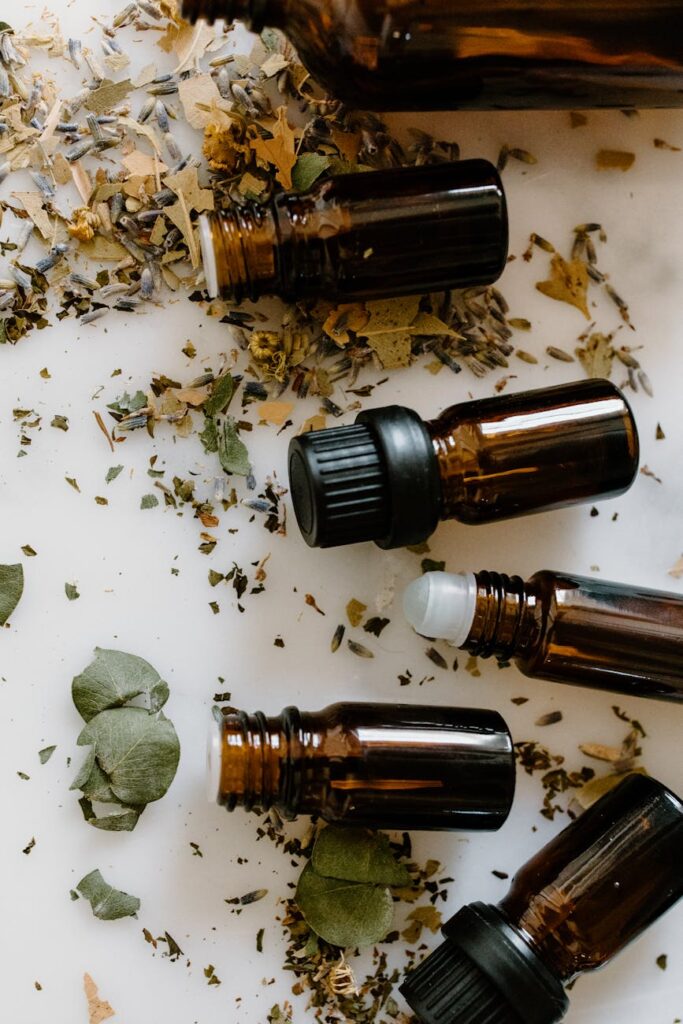
Herbal relaxation aromatherapy blends are mixtures of essential oils derived from aromatic plants, specifically formulated to promote relaxation and reduce stress. These blends often include oils from herbs, flowers, and trees that are known for their calming and soothing characteristics, such as lavender, chamomile, and bergamot.
The creation of these blends involves carefully selecting oils that complement each other, both in fragrance and therapeutic properties. The aim is to create a harmonious synergy that enhances the overall effect, making them particularly effective for relaxation and stress relief.
Key Benefits and Properties
Herbal relaxation aromatherapy blends offer a variety of benefits, including:
1. Stress Reduction: Many essential oils in relaxation blends contain compounds that can lower cortisol levels, the hormone associated with stress.
2. Improved Sleep Quality: Certain oils, such as lavender and chamomile, are renowned for their ability to promote better sleep, making them ideal for evening use.
3. Enhanced Mood: The aromatic compounds in these blends can stimulate the limbic system, the part of the brain that influences emotions, leading to improved mood and well-being.
4. Physical Relaxation: Inhalation of calming essential oils can help alleviate muscle tension and promote overall relaxation of the body.
5. Mindfulness and Meditation Aid: These blends can support meditation practices by creating a serene atmosphere conducive to mindfulness.
Common Uses
Herbal relaxation aromatherapy blends can be utilized in various settings and for multiple purposes:
- Home Use: Diffusing blends in living spaces can create a calming environment, especially in times of stress.
- Massage Therapy: When diluted with a carrier oil, these blends can enhance the experience of a relaxing massage.
- Bathing: Adding a few drops to bathwater can promote relaxation and provide an aromatic escape.
- Sleep Rituals: Applying blends to pillows or using them in bedtime routines can enhance sleep quality.
- Meditation and Yoga: Incorporating these blends into meditation or yoga practices can deepen relaxation and focus.
- Dilution: Always dilute essential oils with a carrier oil before applying them to the skin to prevent irritation.
- Patch Test: Conduct a patch test by applying a small amount of diluted oil to a discreet area of skin to check for any adverse reactions.
- Pregnancy and Nursing: Pregnant or nursing individuals should consult with a qualified healthcare professional before using essential oils.
- Allergies: Be aware of any allergies or sensitivities to specific plants or oils.
- Quality of Oils: Use high-quality, pure essential oils from reputable sources to ensure safety and efficacy.
- Cool, Dark Place: Store oils in a cool, dark location away from direct sunlight to preserve their potency.
- Tightly Sealed Containers: Ensure that bottles are tightly sealed to prevent oxidation and contamination.
- Use Amber or Cobalt Bottles: These colored glass bottles help protect oils from light exposure.
- Citrus Oils: Typically last 1-2 years.
- Herb Oils (e.g., basil, rosemary): Generally last 3-4 years.
- Wood Oils (e.g., cedarwood, sandalwood): Can last 4-5 years or longer.
Aromatherapy Applications
There are several ways to apply herbal relaxation aromatherapy blends, each suited to different preferences and situations:
1. Diffusion
Using a diffuser is one of the most popular methods. Essential oils are dispersed into the air, allowing their aromatic properties to fill a room. This method is effective for creating a calming environment for relaxation, study, or sleep.
2. Massage
When blended with a carrier oil, such as coconut, almond, or jojoba oil, essential oils can be used for massage. A typical dilution ratio is 2-3 drops of essential oil per tablespoon of carrier oil. This method not only provides aromatherapy benefits but also promotes physical relaxation through the act of massage.
3. Bathing
Adding essential oils to bath water can create a luxurious and relaxing experience. It is advisable to first dilute the oils in a carrier oil or an emulsifier, such as milk or honey, to prevent skin irritation.
4. Inhalation
Direct inhalation of essential oils can be achieved by placing a few drops on a tissue or cotton ball and breathing in deeply. This method delivers quick relief and is suitable for on-the-go situations.
5. Topical Application
Essential oils can be applied directly to pulse points, such as wrists or behind the ears. However, it is essential to dilute them, especially for sensitive areas of the skin.
Safety Considerations
While herbal relaxation aromatherapy blends are generally safe, it is crucial to observe certain precautions:
Storage and Shelf Life
The shelf life of essential oils can vary depending on the type and how they are stored. Generally, essential oils can last from 1 to 5 years if stored properly.
Storage Guidelines
Shelf Life
Frequently Asked Questions
1. What essential oils are commonly used in relaxation blends?
Commonly used essential oils include lavender, chamomile, bergamot, ylang-ylang, frankincense, and patchouli. Each offers unique properties that contribute to relaxation.
2. Can I create my own herbal relaxation blend?
Yes, creating your own blend can be a rewarding experience. Start by selecting 2-4 essential oils that you find soothing. Experiment with different ratios to find a combination that resonates with you.
3. How often can I use relaxation blends?
You can use relaxation blends as often as needed. However, it is advisable to take breaks or rotate oils to prevent desensitization.
4. Are there any contraindications for using relaxation blends?
Individuals with certain health conditions or sensitivities should consult a healthcare professional before using essential oils. Pregnant or nursing women should also seek guidance.
5. Can I use essential oils in a diffuser while sleeping?
Yes, many people find it beneficial to use a diffuser while sleeping. Just ensure the diffuser is designed for overnight use and follow the manufacturer’s instructions for safety.
Conclusion
Herbal relaxation aromatherapy blends offer a natural and effective way to enhance relaxation, reduce stress, and promote overall well-being. By understanding the properties, benefits, and applications of these blends, individuals can create a calming environment that supports their mental and emotional health. Whether through diffusion, massage, or bathing, incorporating these essential oils into your daily routine can transform moments of stress into opportunities for tranquility.