
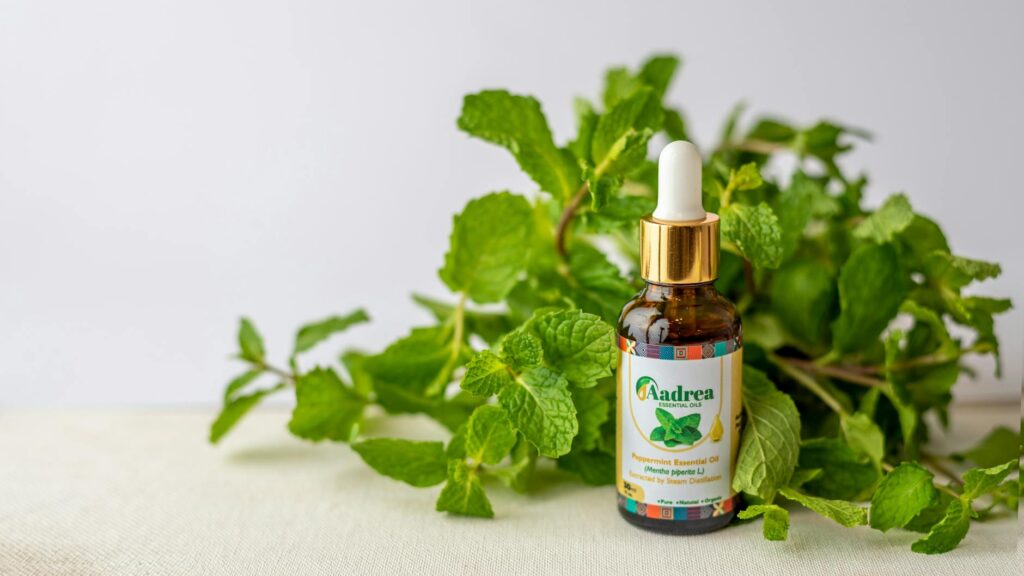
Complete Guide to Herbal Remedies
Introduction
Herbal remedies have been utilized for centuries across various cultures for their therapeutic properties and holistic benefits. These natural solutions derive from plants and their essential components, which include flowers, leaves, roots, and seeds. As modern interest in natural healing continues to rise, understanding the fundamentals of herbal remedies becomes increasingly important. This guide aims to provide an in-depth look at herbal remedies, their benefits, common uses, applications in aromatherapy, safety considerations, storage, and frequently asked questions.
What Is Herbal Remedies?
Herbal remedies refer to the use of plant-based substances for therapeutic purposes. These remedies can come in various forms, including teas, tinctures, capsules, powders, and essential oils. The practice of using herbs for healing is known as herbalism or phytotherapy. It encompasses a wide range of plants, each with unique properties that may contribute to health and well-being.
The popularity of herbal remedies stems from their long-standing history, cultural significance, and increasing preference for natural alternatives to synthetic pharmaceuticals. While not a substitute for professional medical care, many individuals incorporate herbal remedies into their wellness routines seeking holistic approaches to health.
Key Benefits and Properties
Herbal remedies offer a variety of benefits and properties that may contribute to overall wellness. Some of the key aspects include:
1. Natural Ingredients: Herbal remedies are derived from natural sources, making them appealing to those seeking less processed alternatives to conventional medicine.
2. Holistic Approach: Many herbal remedies not only target specific symptoms but also consider the overall well-being of the individual, addressing physical, emotional, and spiritual health.
3. Wide Range of Applications: Different herbs possess unique properties, including anti-inflammatory, antioxidant, antimicrobial, and calming effects, allowing for diverse applications.
4. Cultural Wisdom: Many herbal remedies have been passed down through generations, providing a wealth of knowledge and experience regarding their efficacy.
5. Potential for Fewer Side Effects: Although not devoid of risks, many herbal remedies may offer a more favorable side effect profile compared to some pharmaceutical alternatives.
Common Uses
Herbal remedies are employed for a range of conditions and wellness goals, including but not limited to:
- Digestive Health: Herbs like ginger, peppermint, and chamomile are often used to alleviate digestive discomfort and promote gut health.
- Stress Relief: Adaptogenic herbs like ashwagandha and rhodiola are valued for their ability to help the body adapt to stress and promote relaxation.
- Respiratory Support: Eucalyptus and thyme are commonly used in herbal formulations to support respiratory health.
- Skin Care: Calendula and aloe vera are known for their soothing properties and are frequently used in topical applications for skin irritations.
- Immune Support: Elderberry and echinacea are popular choices for bolstering the immune system.
- Sleep Aids: Herbal teas made from valerian root or lavender are often consumed to promote restful sleep.
Aromatherapy Applications
Aromatherapy is a specialized branch of herbalism that focuses on the use of essential oils derived from plants. These concentrated plant extracts can be employed in various ways, including:
Diffusion
Essential oils can be diffused into the air using a diffuser, allowing the aromatic compounds to disperse throughout a space. This method can create a calming environment or invigorate the senses, depending on the oils used.
Topical Application
When properly diluted with carrier oils, essential oils can be applied topically to the skin. This method allows for direct absorption and can be particularly effective for localized issues, such as muscle tension or skin irritations.
Inhalation
Inhaling essential oils directly from the bottle or through a steam inhalation can provide immediate aromatic benefits. This technique is often used for respiratory support or to enhance mood.
Bathing
Adding essential oils to bathwater can create a soothing and relaxing experience. Popular choices include lavender for relaxation and eucalyptus for respiratory support.
Safety Considerations
While herbal remedies are generally considered safe, it is crucial to approach their use with caution. Here are some essential safety considerations:
1. Consultation with Healthcare Providers: Always consult with a healthcare professional before starting any new herbal regimen, especially if you have existing medical conditions or are pregnant or breastfeeding.
2. Dosage and Preparation: Proper dosages and preparations are vital for safety and effectiveness. Always follow recommended guidelines for the specific herb being used.
3. Allergies and Sensitivities: Be aware of any allergies or sensitivities to specific plants or their constituents. Patch testing is advisable before topical applications.
4. Interactions with Medications: Certain herbs may interact with prescription medications, altering their effectiveness or causing adverse effects.
5. Quality of Products: Choose high-quality herbal products from reputable sources to ensure purity and potency.
Storage and Shelf Life
Proper storage of herbal remedies is essential to maintain their efficacy and safety. Here are some guidelines:
1. Cool, Dark Place: Store dried herbs, tinctures, and essential oils in a cool, dark place away from direct sunlight, heat, and moisture.
2. Airtight Containers: Use airtight containers to minimize exposure to air, which can degrade herbal compounds over time.
3. Labeling: Clearly label all herbal products with the name, date of purchase, and expiration date to ensure proper usage.
4. Shelf Life: The shelf life of herbal remedies varies widely. Dried herbs can last up to a year, while tinctures may last several years. Essential oils generally have a shelf life of 1–3 years, depending on the type.
Frequently Asked Questions
1. Are herbal remedies effective?
The efficacy of herbal remedies can vary significantly depending on the individual, the herbs used, and the conditions being addressed. While many people find relief through herbal remedies, scientific evidence supporting their use may vary.
2. Can I use herbal remedies alongside conventional medications?
It is essential to consult with a healthcare provider before combining herbal remedies with conventional medications to avoid potential interactions.
3. How do I know which herbal remedy to choose?
Choosing the right herbal remedy depends on individual needs and preferences. It may be beneficial to consult with a qualified herbalist or healthcare provider for personalized recommendations.
4. Can I grow my own herbs for remedies?
Yes, many common herbs can be easily grown at home. Consider starting with herbs like basil, mint, or chamomile, which are relatively easy to cultivate and care for.
5. Are there any side effects associated with herbal remedies?
While many herbal remedies are considered safe, some may cause side effects, particularly if used improperly. It is crucial to follow dosage recommendations and be aware of personal sensitivities.
Conclusion
Herbal remedies represent a rich tradition of natural healing that continues to resonate with many individuals today. With proper understanding and application, these plant-based solutions can complement modern wellness practices and enhance overall health. As interest in holistic approaches grows, continuing education on herbalism can empower individuals to make informed choices about their health and well-being. Always prioritize safety and consultation with professionals to ensure the best outcomes when integrating herbal remedies into your life.