
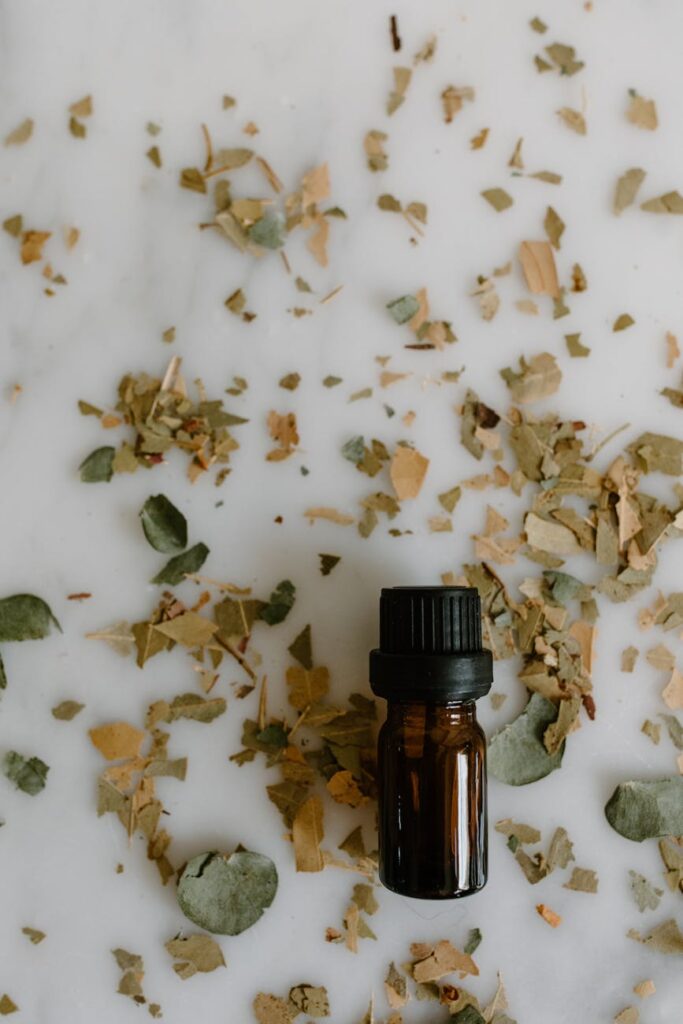
Complete Guide to Herbal Respiratory Support Aromatherapy Blends
Introduction
Aromatherapy, the practice of using essential oils derived from plants for therapeutic purposes, has gained popularity for its wide-ranging benefits. Among the various applications, herbal respiratory support blends stand out as essential tools for promoting respiratory health and well-being. This guide explores the intricacies of these blends, their benefits, common uses, and safe application methods.
What Is Herbal Respiratory Support Aromatherapy Blends?
Herbal respiratory support aromatherapy blends consist of essential oils that are specifically selected for their potential to support lung and respiratory function. These blends typically incorporate oils derived from herbs, trees, and flowers known for their respiratory benefits. Commonly used essential oils in these blends include eucalyptus, peppermint, tea tree, and lavender, each contributing unique properties that may assist in maintaining clear airways and overall respiratory health.
Key Benefits and Properties
The essential oils included in herbal respiratory support blends offer a variety of beneficial properties:
1. Expectorant Properties: Oils such as eucalyptus and rosemary may help loosen mucus in the airways, making it easier to expel.
2. Antimicrobial Action: Certain oils, like tea tree and thyme, have antimicrobial properties that may help inhibit the growth of bacteria and viruses, supporting a healthier respiratory environment.
3. Anti-inflammatory Effects: Essential oils such as chamomile and peppermint may help reduce inflammation in the respiratory tract, potentially easing irritation and discomfort.
4. Decongestant Qualities: Oils like peppermint and eucalyptus may act as natural decongestants, helping to clear nasal passages and improve airflow.
5. Enhancing Relaxation: Many of these oils possess calming properties that can reduce stress and promote relaxation, which is beneficial for overall respiratory function.
Common Uses
Herbal respiratory support aromatherapy blends can be utilized in various ways, including:
- Inhalation: Inhaling essential oils can facilitate direct access to the respiratory system. This can be achieved through steam inhalation or the use of diffusers.
- Topical Application: Diluted blends can be applied to the chest, back, and feet for localized effects. This method promotes absorption through the skin.
- Baths: Adding essential oils to a warm bath can create a soothing environment while also benefiting the respiratory system through inhalation of aromatic steam.
- Massage: Incorporating these blends into a massage oil can provide both respiratory benefits and promote relaxation.
Aromatherapy Applications
Diffusion
Diffusing essential oils is one of the most popular methods for using herbal respiratory support blends. A diffuser disperses the oil into the air, allowing for easy inhalation. This method is particularly effective in large spaces, ensuring that the therapeutic properties are available to all in the vicinity.
Steam Inhalation
Steam inhalation involves adding essential oils to a bowl of hot water and inhaling the steam. This method can be particularly effective for relieving congestion. To perform steam inhalation:
1. Boil water and pour it into a bowl.
2. Add a few drops of the chosen essential oil blend.
3. Drape a towel over your head and the bowl, creating a tent to trap the steam.
4. Inhale deeply for several minutes.
Topical Application
For topical use, essential oils should be diluted in a carrier oil, such as coconut or almond oil, to prevent skin irritation. A common dilution ratio is 2-3 drops of essential oil per teaspoon of carrier oil. Apply the blend to areas such as the chest or back to promote respiratory support.
Bath Soak
Adding essential oils to bathwater can create a relaxing experience while also delivering respiratory benefits. To do this, mix a few drops of the essential oil blend with a carrier oil or Epsom salts before adding it to the bathwater to ensure even distribution.
Massage Oils
Incorporating essential oils into massage oils can enhance the therapeutic effects. This method not only supports respiratory health but also promotes relaxation and stress relief.
Safety Considerations
While essential oils are generally considered safe, certain precautions should be taken to ensure safe use:
1. Dilution: Always dilute essential oils with a carrier oil before applying them to the skin to avoid irritation or allergic reactions.
2. Patch Test: Conduct a patch test by applying a small amount of the diluted oil to a discreet area of the skin. Wait 24 hours to check for any adverse reactions.
3. Avoid Sensitive Areas: Do not apply essential oils to sensitive areas such as the eyes or mucous membranes.
4. Pregnancy and Nursing: Pregnant and nursing individuals should consult with a healthcare provider before using essential oils.
5. Children and Pets: Some essential oils may not be suitable for children or pets. Research specific oils and their safety for various age groups and species.
6. Quality of Essential Oils: Use high-quality, pure essential oils from reputable sources to ensure safety and effectiveness.
Storage and Shelf Life
Proper storage of essential oils is essential to maintain their efficacy and prevent degradation. Here are some tips for storing essential oils:
1. Dark Glass Containers: Store oils in dark glass containers to protect them from light exposure, which can degrade their quality.
2. Cool, Dry Place: Keep essential oils in a cool, dry environment away from direct sunlight and heat sources.
3. Tightly Sealed: Ensure that bottles are tightly sealed to prevent evaporation and contamination.
4. Shelf Life: Essential oils have varying shelf lives depending on their chemical composition. Generally, citrus oils have shorter shelf lives (1-2 years) compared to woody oils (4-8 years). Always check for any changes in smell or appearance before use.
Frequently Asked Questions
1. Can I mix different essential oils for respiratory support?
Yes, creating your own blends by combining different essential oils can enhance their effects. However, ensure that the oils chosen complement each other and are suitable for the intended purpose.
2. How often can I use herbal respiratory support blends?
Frequency of use depends on individual needs and the method of application. Generally, inhalation or diffusion can be used several times a day, while topical applications may be used a few times daily.
3. Are there any essential oils to avoid for respiratory support?
Certain oils, such as clove or cinnamon, may be too potent and should be used with caution. Always research specific oils and consult with experts if unsure.
4. Can aromatherapy replace conventional medicine?
Aromatherapy and herbal blends can complement conventional medical treatments but should not replace them. Always seek professional advice for serious health concerns.
5. What is the best way to choose an essential oil blend for respiratory support?
Consider your specific needs, preferences, and any allergies when selecting a blend. Research individual oils and their properties to find a blend that suits your requirements.
Conclusion
Herbal respiratory support aromatherapy blends offer a natural and holistic approach to promoting respiratory health. By understanding the properties, benefits, and safe applications of these essential oils, individuals can make informed choices to enhance their well-being. As always, it is essential to prioritize safety and quality when using essential oils, ensuring a positive and enriching experience in your aromatherapy journey.