
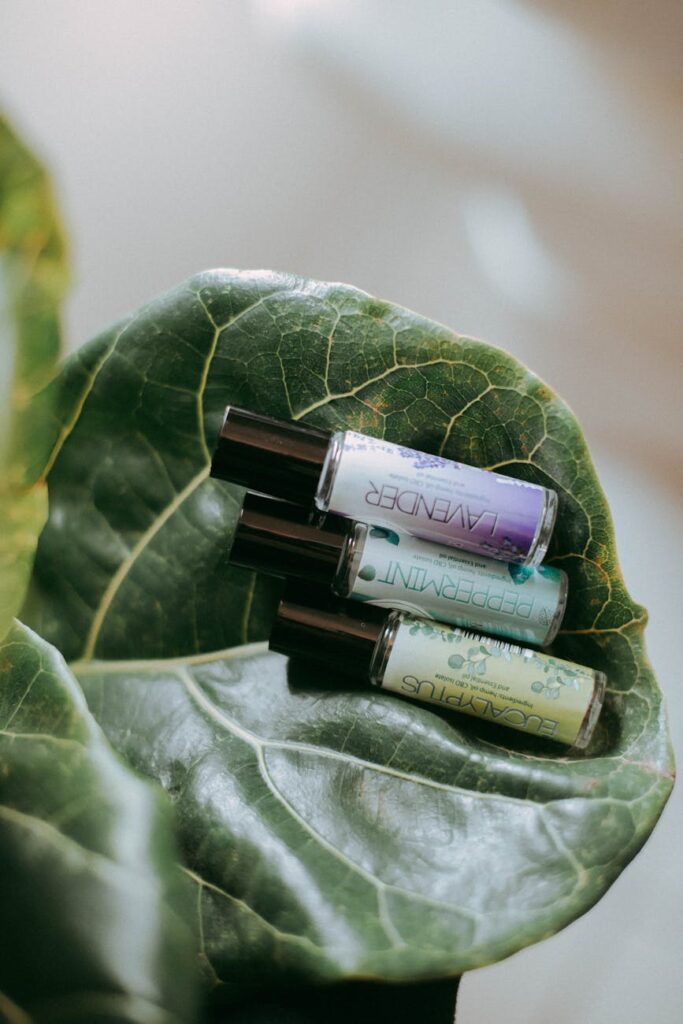
Complete Guide to Herbal Sleep Enhancement Essential Oil Blends
Introduction
In today’s fast-paced world, many individuals struggle to achieve restful sleep. Herbal sleep enhancement essential oil blends have gained popularity as a natural approach to promoting relaxation and improving sleep quality. This guide will explore the nature of these blends, their benefits, common uses, and safety considerations, ensuring a comprehensive understanding of how to incorporate them into your nightly routine.
What Is Herbal Sleep Enhancement Essential Oil Blends?
Herbal sleep enhancement essential oil blends are mixtures of various essential oils derived from plants that are traditionally associated with promoting relaxation and improved sleep. These blends often combine oils known for their calming properties, such as lavender, chamomile, and cedarwood. The synergistic effects of these oils can enhance their individual benefits, creating a more potent solution for those seeking better sleep.
Essential oils are concentrated extracts obtained from the leaves, flowers, stems, and roots of plants. They capture the plant’s aromatic compounds, which are believed to contribute to their therapeutic properties. When blended thoughtfully, these oils can create a harmonious fragrance that not only soothes the mind but also supports the body in achieving a restful state.
Key Benefits and Properties
The use of herbal sleep enhancement essential oil blends offers various benefits, both physical and psychological. Some key properties include:
1. Promotes Relaxation: Many essential oils are known for their ability to reduce stress and anxiety, facilitating a tranquil atmosphere conducive to sleep.
2. Improves Sleep Quality: Certain oils can help regulate sleep patterns and enhance the overall quality of sleep, promoting deeper and more restorative rest.
3. Supports Mental Clarity: By calming the mind, these blends can help clear mental clutter, allowing for a more peaceful transition into sleep.
4. Enhances Mood: The aromatic properties of essential oils can uplift the spirit and foster a sense of well-being, which is beneficial for those struggling with sleep disturbances related to mood disorders.
5. Natural and Non-Invasive: Unlike pharmaceuticals, herbal sleep enhancement blends offer a natural alternative to support sleep, making them appealing to those seeking holistic approaches to wellness.
Common Uses
Herbal sleep enhancement essential oil blends can be used in various ways to promote relaxation and improve sleep quality. Some common applications include:
1. Diffusion: Using an essential oil diffuser allows the aroma to fill the air, creating a calming environment conducive to sleep.
2. Topical Application: Diluting essential oils with a carrier oil (such as coconut or jojoba oil) and applying them to pulse points, such as wrists or temples, can enhance relaxation.
3. Baths: Adding a few drops of essential oil blends to a warm bath can create a soothing experience, helping to relax both the body and mind before bed.
4. Pillow Sprays: Creating a homemade pillow spray with essential oils can help promote restful sleep by infusing bedding with calming scents.
5. Inhalation: Directly inhaling the scent from the bottle or a cotton ball can provide immediate calming effects, making it a quick solution for stress relief.
Aromatherapy Applications
Aromatherapy is the practice of using essential oils to enhance physical and emotional well-being. When it comes to sleep enhancement, several specific oils are commonly included in blends:
- Lavender: Renowned for its calming effects, lavender oil is often used to reduce anxiety and promote relaxation.
- Chamomile: Known for its soothing properties, chamomile can help reduce restlessness and promote a sense of calm.
- Bergamot: This citrus oil is unique in its ability to uplift mood while also promoting relaxation, making it ideal for sleep blends.
- Cedarwood: Often used for its grounding effects, cedarwood can help ease tension and promote a sense of security.
- Ylang-Ylang: With its sweet floral aroma, ylang-ylang can help reduce stress and anxiety, creating an ideal atmosphere for sleep.
Blending these oils in various proportions allows for customization based on individual preferences and specific sleep challenges.
Safety Considerations
While herbal sleep enhancement essential oil blends can be beneficial, it is essential to use them safely. Consider the following guidelines:
1. Dilution: Always dilute essential oils with a carrier oil before applying them to the skin to avoid irritation.
2. Allergies and Sensitivities: Conduct a patch test before using any new essential oil blend to ensure there are no allergic reactions.
3. Pregnancy and Nursing: Certain essential oils may not be safe for pregnant or nursing individuals. It is advisable to consult with a healthcare provider before use.
4. Children and Pets: Some essential oils can be harmful to children and pets. Ensure that the oils used are safe for the intended audience.
5. Quality of Oils: Use high-quality, therapeutic-grade essential oils from reputable sources to ensure purity and efficacy.
Storage and Shelf Life
Proper storage of essential oils is crucial to maintaining their potency and effectiveness. Follow these guidelines:
1. Cool and Dark Environment: Store essential oils in a cool, dark place away from direct sunlight, which can degrade their quality.
2. Tightly Sealed Containers: Keep oils in tightly sealed, dark glass bottles to prevent oxidation and contamination.
3. Shelf Life: The shelf life of essential oils varies, but most can last from 1 to 3 years if stored correctly. Check for changes in scent or consistency as indicators of potential degradation.
Frequently Asked Questions
What are the most effective essential oils for sleep?
While individual preferences vary, lavender, chamomile, bergamot, cedarwood, and ylang-ylang are frequently cited as effective options for promoting sleep.
How do I create my own sleep enhancement blend?
To create a custom blend, start with a base oil (such as lavender) and add 2-3 other oils that you enjoy or find relaxing. A general guideline is to use a total of 10-20 drops of essential oil in a 10 ml carrier oil bottle.
Can essential oils replace sleep medications?
While essential oils can support relaxation and improve sleep quality, they should not be considered a substitute for medical advice or prescribed sleep medications. Always consult a healthcare professional for sleep-related issues.
How long does it take for essential oils to work?
The effects of essential oils can vary from person to person. Many individuals report feeling immediate effects upon inhalation, while others may require consistent use over several nights to notice significant improvements.
Are there any side effects associated with essential oils?
Some individuals may experience skin irritation or allergic reactions. It is essential to conduct a patch test and consult a healthcare provider if any adverse effects occur.
Conclusion
Herbal sleep enhancement essential oil blends offer a natural and holistic approach to improving sleep quality and promoting relaxation. By understanding the properties and applications of these blends, you can create a personalized nighttime routine that supports restful sleep. Always prioritize safety and quality when using essential oils, and consider consulting a healthcare professional for any ongoing sleep concerns. Embrace the soothing power of nature and discover the potential of aromatherapy in your journey towards better sleep.