
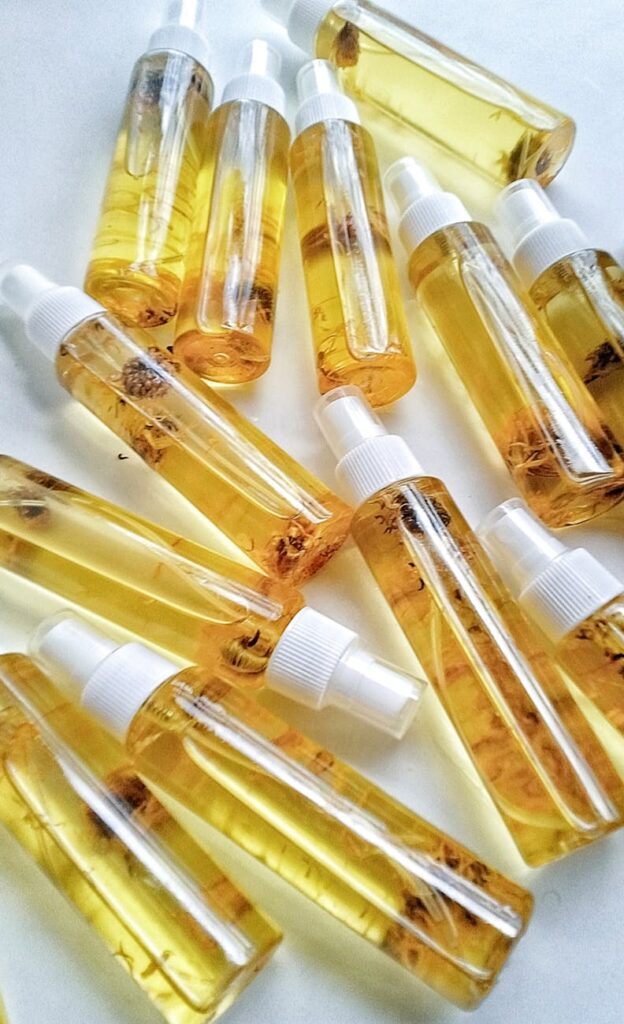
Complete Guide to Herbal Sprays
Introduction
Herbal sprays have emerged as a versatile tool in the realm of natural wellness, combining the aromatic and therapeutic properties of essential oils with the convenience of a spray application. This guide aims to provide an in-depth understanding of herbal sprays, including their benefits, common uses, applications in aromatherapy, safety considerations, and storage guidelines.
What Is Herbal Sprays?
Herbal sprays are liquid solutions that typically consist of water, essential oils, and sometimes additional plant extracts or hydrosols. They are designed to harness the aromatic and therapeutic properties of various herbs and plants. Herbal sprays can be used for a variety of purposes, including air freshening, personal fragrance, skin care, and even cleaning solutions.
The formulation of herbal sprays can vary widely, depending on the intended use and the specific properties of the herbs or essential oils included. Common components may include lavender, eucalyptus, peppermint, tea tree, and citrus oils, each contributing unique scents and benefits.
Key Benefits and Properties
Herbal sprays offer numerous benefits due to the inherent properties of the essential oils and herbs used in their formulation. Some of the key benefits include:
1. Aromatic Enhancement: Herbal sprays can instantly elevate the atmosphere of any space, providing a pleasant and calming environment.
2. Mood Upliftment: Many essential oils are known for their ability to influence mood and emotional well-being. For instance, citrus oils can energize and uplift, while lavender can promote relaxation.
3. Antimicrobial Properties: Certain essential oils, such as tea tree and eucalyptus, possess antimicrobial properties that can help purify the air and surfaces.
4. Natural Insect Repellent: Many herbal sprays can deter insects due to the natural repellent qualities of certain essential oils like citronella and peppermint.
5. Skincare Benefits: Some herbal sprays can be beneficial for the skin, offering soothing, hydrating, or anti-inflammatory effects, depending on the ingredients used.
Common Uses
Herbal sprays can be employed in various applications, including:
1. Home Fragrance: A popular use of herbal sprays is for enhancing the scent of indoor spaces. Simply spritzing a herbal spray can provide a refreshing aroma.
2. Personal Care: Herbal sprays can serve as natural body mists or hair refreshers, providing a subtle scent without synthetic fragrances.
3. Cleaning Solutions: Certain formulations can be used as natural cleaning sprays, utilizing the antimicrobial properties of essential oils to disinfect surfaces.
4. Insect Repellent: Herbal sprays can be an effective way to repel insects, making them useful for outdoor activities or in homes located in insect-prone areas.
5. Relaxation and Meditation: Spraying a calming herbal blend in a meditation space can enhance relaxation and focus.
Aromatherapy Applications
In aromatherapy, herbal sprays can be an effective method of delivering the benefits of essential oils. Here are some common applications:
1. Room Sprays: Blending essential oils with water in a spray bottle can create a room spray that purifies the air and enhances mood.
2. Body Mists: These can be formulated with skin-friendly ingredients like aloe vera or witch hazel, offering both fragrance and hydration.
3. Sleep Sprays: Herbal sprays designed for bedtime often feature calming oils like lavender and chamomile, promoting restful sleep.
4. Meditation Sprays: Certain blends can support focus and mindfulness, making them ideal for meditation practices.
5. Mood-Enhancing Sprays: Formulations that combine uplifting oils—such as bergamot and lemon—can help elevate mood and combat feelings of anxiety.
Safety Considerations
While herbal sprays are generally considered safe for use, there are several important safety considerations to keep in mind:
1. Skin Sensitivity: Essential oils are potent and may cause skin irritation in some individuals. It is advisable to perform a patch test before using a spray on the skin.
2. Pregnancy and Health Conditions: Pregnant individuals and those with certain health conditions should consult with a qualified expert before using herbal sprays containing essential oils.
3. Dilution: Essential oils should always be diluted before use in sprays. A typical dilution ratio is 1-2% for body mists and 3-5% for cleaning solutions.
4. Quality of Ingredients: Always opt for high-quality, pure essential oils and avoid synthetic fragrances.
5. Avoiding Sensitive Areas: Do not spray directly on the face or near the eyes and mouth. Additionally, avoid using sprays around pets unless specified as safe.
Storage and Shelf Life
Proper storage and shelf life are essential for maintaining the efficacy of herbal sprays. Here are some guidelines:
1. Storage Conditions: Store herbal sprays in a cool, dark place, away from direct sunlight and heat. This helps preserve the integrity of the essential oils.
2. Container Type: Glass containers are preferable to plastic, as essential oils can degrade plastic over time. Dark-colored glass, such as amber or cobalt blue, is ideal for protecting the contents from light.
3. Shelf Life: The shelf life of herbal sprays can vary depending on the ingredients used. Generally, homemade herbal sprays with water should be used within 6 months, while those with alcohol as a solvent can last up to a year or more. Always check for changes in scent or appearance as signs of spoilage.
Frequently Asked Questions
1. How do I make my own herbal spray?
Making your own herbal spray is simple. Combine distilled water with essential oils in a spray bottle. A common ratio is about 10-20 drops of essential oil per 1 ounce of water. Shake well before each use.
2. Can I use herbal sprays around pets?
Not all essential oils are safe for pets. It is essential to research which oils are pet-friendly and consult a veterinarian if in doubt.
3. What are the best essential oils for relaxation?
Lavender, chamomile, sandalwood, and bergamot are popular choices for relaxation and stress relief.
4. How do I ensure my herbal spray is effective?
Use high-quality essential oils and ensure proper dilution. Regularly shake the spray before use, as oils can separate from water.
5. Are herbal sprays safe for children?
Many herbal sprays can be safe for children, but it is crucial to choose gentle oils and consult a pediatrician for guidance. Avoid using sprays with strong oils or those known to be irritating.
Conclusion
Herbal sprays offer a convenient and versatile way to incorporate the benefits of essential oils and botanicals into daily life. Whether for enhancing the aroma of a space, promoting emotional well-being, or providing natural cleaning solutions, these sprays can serve a myriad of purposes. As with any natural product, understanding their properties, applications, and safety considerations is essential for maximizing their benefits.