
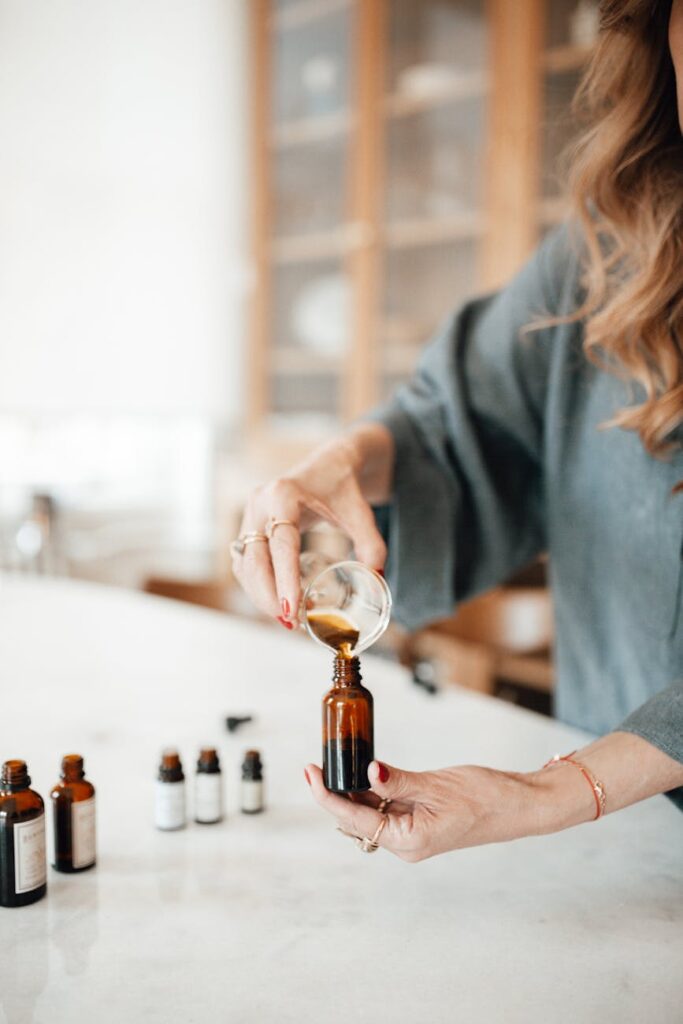
Complete Guide to Herbal Syrups
Introduction
Herbal syrups have gained popularity as a natural remedy and flavorful addition to various culinary creations. Derived from the infusion of herbs, fruits, and other botanicals, these syrups combine the essence of nature with the art of traditional preparation. With a rich history rooted in herbal medicine, herbal syrups offer a unique way to harness the benefits of plants in a concentrated form. This guide aims to provide a comprehensive overview of herbal syrups, their benefits, applications, and considerations for safe use.
What Is Herbal Syrups?
Herbal syrups are concentrated liquids made by combining herbal extracts with a sweetener, typically sugar or honey, and water. The process often involves boiling the selected herbs in water to extract their active compounds, followed by the addition of a sweetener to enhance flavor and preserve the mixture. The result is a thick, syrupy solution that can be taken alone, mixed into beverages, or used in culinary dishes.
The choice of herbs used in these syrups can vary widely, encompassing a range of flavors and therapeutic properties. Common herbs include elderberry, ginger, thyme, and peppermint, each bringing its unique characteristics to the syrup.
Key Benefits and Properties
Herbal syrups are celebrated not only for their delightful taste but also for their potential health benefits. While the efficacy of these syrups can vary based on the herbs used, many are believed to possess certain properties:
1. Antioxidant Effects: Many herbs used in syrups are rich in antioxidants, which can help combat oxidative stress in the body.
2. Flavor Enhancement: Herbal syrups can add depth and complexity to both sweet and savory dishes, making them a versatile ingredient in the kitchen.
3. Hydration: When mixed with water or other beverages, herbal syrups can contribute to hydration while offering additional flavor.
4. Digestive Support: Certain herbs, such as ginger and peppermint, are known for their potential digestive benefits, making herbal syrups an enjoyable way to incorporate these herbs into one’s diet.
5. Cough Relief: Some herbal syrups, particularly those made with ingredients like honey and herbal infusions, are traditionally used to soothe sore throats and coughs.
Common Uses
Herbal syrups can be utilized in a variety of ways, making them a versatile addition to any kitchen. Here are some common applications:
Culinary Uses
1. Beverages: Herbal syrups can be mixed into teas, cocktails, or lemonades to impart unique flavors. For example, elderberry syrup can add a fruity note to sparkling water.
2. Desserts: Use herbal syrups as a natural sweetener in desserts like cakes, ice creams, or puddings. A drizzle of thyme syrup over vanilla ice cream can create an unexpected flavor pairing.
3. Savory Dishes: Incorporate herbal syrups into salad dressings, marinades, or glazes for meats and vegetables. Rosemary syrup, for instance, can enhance roasted vegetables.
Health and Wellness
While herbal syrups are not a substitute for medical treatment, they can be incorporated into wellness routines. They may be consumed as a soothing tonic or added to hot water for a comforting drink, especially during colder months.
Home Remedies
Many individuals use herbal syrups as part of their home remedy arsenal. Elderberry syrup, for example, is often prepared for its traditional use in supporting immune health during cold and flu seasons.
Aromatherapy Applications
Herbal syrups also find their place in the realm of aromatherapy. While they are not used in the same way as essential oils, their aromatic properties can enhance the sensory experience of various practices:
1. Inhalation: Adding a few drops of herbal syrup to a bowl of hot water can create a calming steam inhalation, allowing the aromatic compounds to be absorbed through the respiratory system.
2. Diffusion: Some herbal syrups can be diluted in a carrier oil and used in a diffuser, although this is less common than essential oils.
3. Baths: Adding herbal syrups to bathwater can create a soothing and fragrant experience. The warmth of the water helps release the aromatic compounds, contributing to relaxation.
Safety Considerations
When incorporating herbal syrups into your diet or wellness routine, it is important to consider safety aspects:
1. Quality of Ingredients: Ensure that the herbs used in the syrup are sourced from reputable suppliers. Organic herbs may be preferable to avoid pesticides and chemicals.
2. Allergies: Be aware of any potential allergies to the herbs or sweeteners used in the syrup. Individuals with sensitivities should consult ingredient lists carefully.
3. Children and Pregnant Individuals: Some herbs may not be suitable for children or pregnant individuals. It is important to research specific herbs or consult with a knowledgeable herbalist.
4. Interactions with Medications: Certain herbs can interact with medications. If you are taking prescription drugs, consult with a healthcare professional before adding herbal syrups to your regimen.
Storage and Shelf Life
Proper storage of herbal syrups is crucial to maintaining their potency and flavor. Here are some guidelines:
1. Refrigeration: Most homemade herbal syrups should be stored in the refrigerator to prolong shelf life. A well-made syrup can last for several weeks to a few months when kept cold.
2. Sealed Containers: Use glass jars or bottles with airtight seals to prevent contamination and maintain freshness. Avoid exposure to light and heat.
3. Freezing: For longer preservation, herbal syrups can be frozen in ice cube trays and stored in airtight bags. This makes it easy to use small amounts as needed.
4. Signs of Spoilage: If the syrup develops an off smell, unusual color, or mold, it should be discarded immediately.
Frequently Asked Questions
How do I make herbal syrup at home?
To make herbal syrup, start by selecting your herbs and washing them thoroughly. Combine the herbs with water in a pot and bring to a boil. Reduce heat and let it simmer for 20–30 minutes. Strain the mixture and add an equal amount of sugar or honey to the liquid. Stir until dissolved, then cool and store in a sealed container.
Can I use any herb for making syrup?
While you can experiment with various herbs, it is best to choose those known for their flavor and potential benefits. Common choices include elderberry, ginger, lavender, and mint.
How much herbal syrup should I take?
Dosage can vary based on the type of syrup and its intended use. It is advisable to follow any specific guidelines provided with the syrup or consult with an herbalist for tailored advice.
Are there any herbs to avoid in syrups?
Certain herbs can be toxic or have strong effects when consumed. Always research herbs before use and consult with knowledgeable sources if you are unsure.
How long can I store homemade herbal syrup?
Homemade herbal syrups can typically last for several weeks to a few months when refrigerated. Check for signs of spoilage before use.
Conclusion
Herbal syrups offer a delightful and versatile way to enjoy the benefits of various botanicals. Whether used in culinary creations or as part of a wellness routine, these syrups can enhance flavor while providing a unique connection to the natural world. By understanding their properties, uses, and safety considerations, individuals can incorporate herbal syrups into their lives with confidence and creativity.