
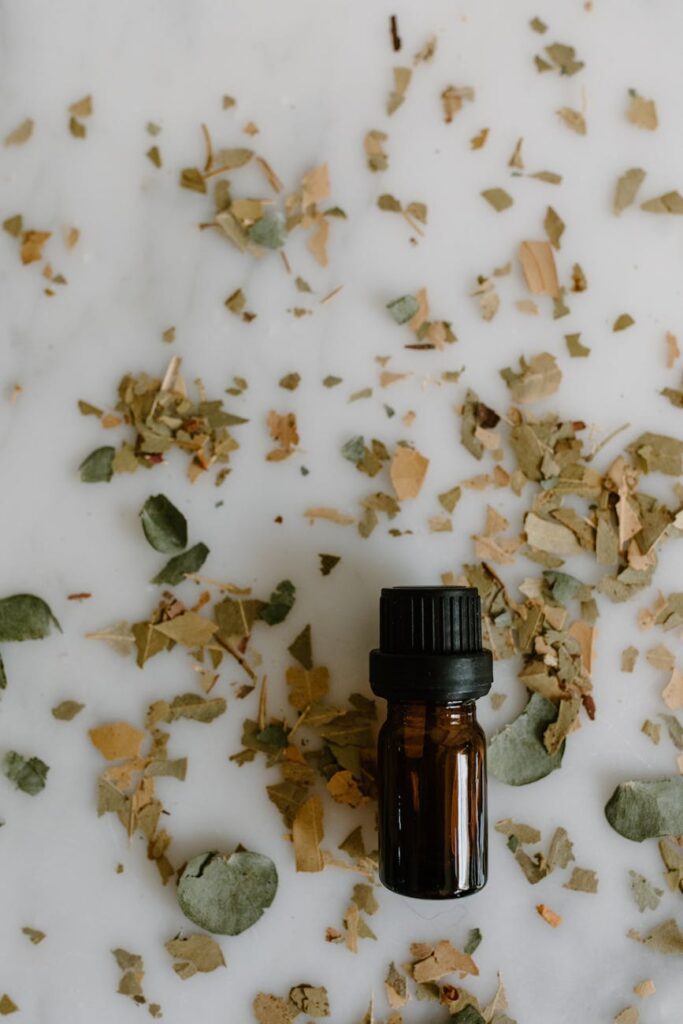
Complete Guide to Herbal Tonics
Introduction
Herbal tonics have been integral to various cultures for centuries, celebrated for their potential to enhance well-being and vitality. These natural remedies are made from a variety of plant materials, including leaves, roots, flowers, and seeds, and are traditionally used to support overall health and wellness. This comprehensive guide aims to delve into the world of herbal tonics, exploring their definitions, benefits, applications in aromatherapy, and more.
What Is Herbal Tonics?
Herbal tonics are concentrated preparations derived from medicinal plants that are believed to nourish and invigorate the body and mind. Unlike simple herbal teas or infusions, tonics are often more potent and are designed to provide a range of health benefits. They can be crafted from single herbs or blended combinations, and they may be consumed as liquids, tinctures, or powders.
The preparation of herbal tonics typically involves extracting beneficial compounds from plant materials using various methods, such as water infusion, alcohol extraction, or glycerin-based solutions. These methods help to ensure that the active constituents of the herbs are effectively captured, providing a richer and more concentrated tonic.
Key Benefits and Properties
Herbal tonics are renowned for their diverse potential benefits. While it is essential to consult with a knowledgeable herbalist or practitioner for personalized advice, some of the commonly attributed benefits include:
1. Support for Vitality and Energy: Many herbal tonics are believed to enhance energy levels and support overall vitality. Ingredients like ginseng, rhodiola, and ashwagandha are often included for their reputed adaptogenic properties.
2. Immune System Support: Certain tonics may help bolster the immune system. Herbs such as echinacea and elderberry are frequently used for their potential immune-enhancing effects.
3. Digestive Health: Herbal tonics can also assist in promoting digestive health, with ingredients like ginger and peppermint known for their carminative properties.
4. Stress Reduction: Adaptogenic herbs, such as holy basil and licorice root, are often included in tonics for their potential ability to help the body adapt to stress and promote relaxation.
5. Detoxification: Some tonics are formulated to support the body’s natural detoxification processes, utilizing herbs like dandelion and milk thistle.
6. Hormonal Balance: Certain herbal tonics contain ingredients that may help promote hormonal balance, particularly for women. Herbs like chaste tree berry and black cohosh are commonly used in this context.
Common Uses
Herbal tonics can be utilized in various ways, depending on the formulation and intended purpose. Here are some common applications:
- Daily Wellness Routine: Many individuals incorporate herbal tonics into their daily routines to support general health. This may involve taking a specific tonic in the morning or evening.
- Post-Workout Recovery: Some tonics are tailored for athletes or active individuals to aid in recovery after physical exertion.
- Seasonal Support: Herbal tonics may be used during specific seasons, such as flu season, to support the immune system.
- Digestive Aid: Tonics designed for digestive health can be taken before or after meals to help promote digestive comfort.
- Stress Relief: Individuals experiencing stress may find herbal tonics particularly beneficial during challenging times, using them as a tool for relaxation and support.
- Consultation: Always consult with a qualified herbalist or healthcare professional before starting any new herbal regimen, especially if you have existing health conditions or are taking medications.
- Quality Sourcing: Use high-quality, reputable sources for herbal tonics to ensure that the products are free from contaminants and accurately labeled.
- Dosage: Follow recommended dosages and guidelines provided by manufacturers or healthcare professionals to avoid potential adverse effects.
- Allergic Reactions: Be aware of potential allergic reactions. If you have known allergies to specific plants, exercise caution when trying new herbal tonics.
- Pregnancy and Nursing: Some herbs may not be suitable for pregnant or nursing individuals. Always consult a healthcare professional in these cases.
- Cool, Dark Place: Store herbal tonics in a cool, dark place away from direct sunlight and heat sources. This helps to preserve the potency of the herbs.
- Tightly Sealed Containers: Ensure that containers are tightly sealed to prevent oxidation and contamination. Glass containers are often preferred for their inert properties.
- Expiration Dates: Pay attention to expiration dates and use products within the recommended timeframe. While some tonics may last longer, potency can diminish over time.
- Refrigeration: Some herbal tonics, especially those containing fresh herbs or perishable ingredients, may require refrigeration. Always check the product label for specific storage instructions.
Aromatherapy Applications
While herbal tonics are primarily consumed, they can also be integrated into aromatherapy practices. Essential oils derived from the same or complementary herbs used in tonics can enhance the overall experience and efficacy. Here are some ways to incorporate herbal tonics into aromatherapy:
1. Inhalation: Some herbal tonics can be combined with essential oils in a diffuser or added to hot water for inhalation. This method allows for both aromatic and therapeutic benefits.
2. Topical Applications: Herbal tonics can sometimes be diluted with carrier oils and used in massage or skin care. This method allows the benefits of the herbs to be absorbed through the skin.
3. Bathing: Adding herbal tonics or their essential oil counterparts to bath water can create a soothing environment, promoting relaxation and stress relief.
4. Meditative Practices: The aromas from herbal tonics can enhance meditation and mindfulness practices, creating a calming atmosphere.
Safety Considerations
While herbal tonics can be beneficial, it is essential to approach them with caution. Here are some important safety considerations:
Storage and Shelf Life
Proper storage of herbal tonics is crucial for maintaining their efficacy and safety. Here are some guidelines:
Frequently Asked Questions
1. How do I choose the right herbal tonic for my needs?
Choosing the right herbal tonic involves identifying your specific health goals and researching herbs that align with those goals. Consulting a qualified herbalist can provide personalized guidance.
2. Can I make my own herbal tonic at home?
Yes, many herbalists create their own tonics using dried or fresh herbs. However, it is essential to research the properties and potential interactions of the herbs you choose.
3. Are herbal tonics safe for children?
Some herbal tonics may be suitable for children, but it is crucial to consult a healthcare professional for guidance on appropriate formulations and dosages.
4. Can I combine multiple herbal tonics?
While some individuals may choose to combine different herbal tonics, it is wise to consult a healthcare professional to ensure that the combinations are safe and effective.
5. What is the difference between a tincture and an herbal tonic?
A tincture is a concentrated herbal extract made with alcohol or glycerin, while an herbal tonic may refer to a broader category of preparations that include tinctures, syrups, or other forms designed to support overall health.
Conclusion
Herbal tonics offer a fascinating exploration into the world of natural remedies, drawing on the wisdom of traditional herbalism. While they can provide various potential benefits, it is essential to approach their use thoughtfully and responsibly. By understanding their properties, applications, and safety considerations, individuals can make informed choices that align with their health and wellness goals. As always, seeking guidance from knowledgeable practitioners can enhance the experience and effectiveness of herbal tonics.