
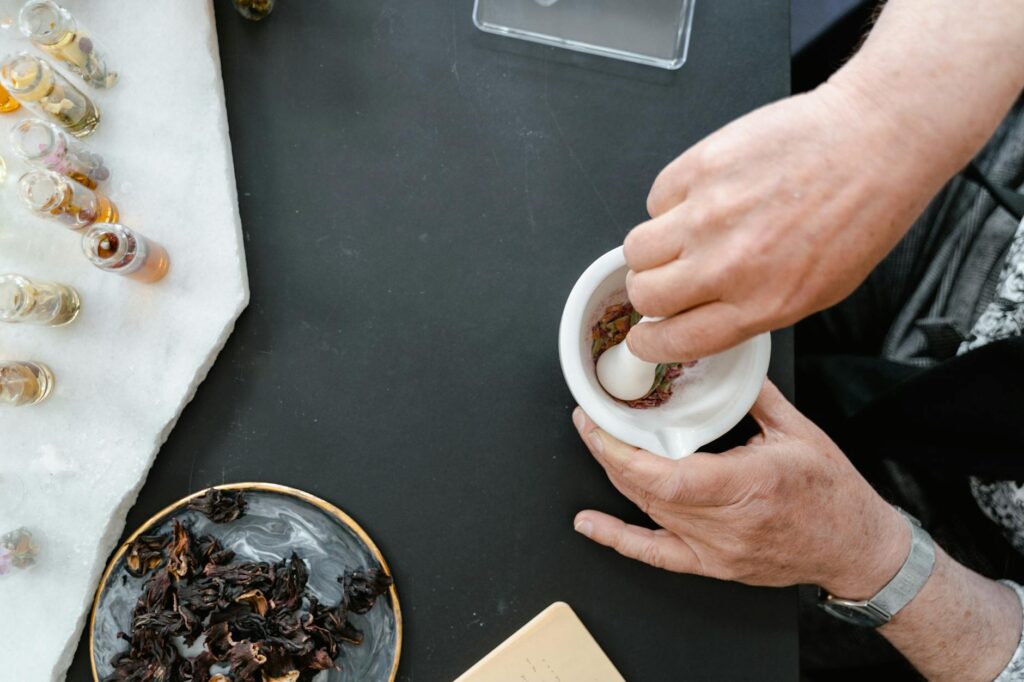
Complete Guide to Hibiscus Extract
Introduction
Hibiscus extract, derived from the vibrant and striking flowers of the hibiscus plant, has garnered attention for its diverse applications and potential benefits. Known for its rich coloring and tart flavor, hibiscus is not only a staple in culinary practices but also a significant player in the world of herbal remedies and aromatherapy. This guide delves into what hibiscus extract is, its properties, uses, applications in aromatherapy, safety considerations, and more, providing a comprehensive overview of this remarkable botanical.
What Is Hibiscus Extract?
Hibiscus extract is obtained from the flowers of the hibiscus plant, primarily from the species Hibiscus sabdariffa, commonly referred to as roselle. The extract can be produced through various methods, including solvent extraction, steam distillation, or cold pressing. Hibiscus flowers are celebrated for their vibrant red, pink, and yellow hues, which are indicative of the presence of anthocyanins—natural plant pigments known for their antioxidant properties.
In its concentrated form, hibiscus extract showcases a rich profile of essential oils, flavonoids, and organic acids. This extract is often used in culinary applications, cosmetics, and wellness products, making it a versatile ingredient in various industries.
Key Benefits and Properties
Hibiscus extract is renowned for its numerous properties that contribute to its popularity. Some of the key benefits include:
Antioxidant Properties
Hibiscus extract is rich in antioxidants, primarily due to the presence of anthocyanins and vitamin C. These compounds help neutralize free radicals in the body, potentially reducing oxidative stress and promoting overall health.
Anti-inflammatory Effects
Research has indicated that hibiscus may possess anti-inflammatory properties, which can help soothe irritation and support skin health. This makes it a desirable ingredient in various skincare formulations.
Hydration and Moisture Retention
Hibiscus extract has been noted for its ability to hydrate and retain moisture in the skin. It can be particularly beneficial in formulations aimed at dry or dehydrated skin types.
Astringent Qualities
The natural astringent properties of hibiscus may help tighten and firm the skin, making it a popular choice in toners and facial masks.
Flavor and Color Enhancer
In culinary uses, hibiscus extract is valued for its tart flavor and vibrant color, often employed in beverages, desserts, and sauces to enhance both taste and visual appeal.
Common Uses
Hibiscus extract is used in various applications across multiple industries. Some common uses include:
Culinary Applications
- Beverages: Hibiscus tea, made from dried hibiscus flowers, is popular in many cultures. It is enjoyed hot or iced and is known for its tart flavor, often sweetened or blended with other fruits.
- Food Coloring: The rich color of hibiscus extract makes it an excellent natural food coloring agent in desserts, jams, and sauces.
- Flavoring Agent: The distinct tartness of hibiscus adds complexity to recipes, making it a popular addition in marinades and dressings.
- Facial Products: Many skincare products incorporate hibiscus extract for its moisturizing and anti-aging properties. It is commonly found in creams, serums, and masks.
- Hair Care: Hibiscus extract is praised for its ability to nourish and strengthen hair, making it a popular ingredient in shampoos and conditioners.
Cosmetics and Skincare
Herbal Remedies
While not meant to substitute for medical treatments, hibiscus extract is often included in herbal supplements for its antioxidant and anti-inflammatory benefits.
Aromatherapy Applications
In the realm of aromatherapy, hibiscus extract is cherished for its unique fragrance and therapeutic properties. It is typically used in the following ways:
Essential Oil Blends
Hibiscus is often blended with other essential oils to create unique aromatic profiles. Its floral and fruity notes can complement oils such as lavender, chamomile, or citrus oils, enhancing the overall sensory experience.
Diffusion
Hibiscus extract can be utilized in diffuser blends, where its sweet floral scent can promote relaxation and uplift the mood. This application is ideal for creating a calming environment in homes, spas, or wellness centers.
Massage Oils
When combined with carrier oils, hibiscus extract can be used in massage oils, providing both aromatic enjoyment and potential skin benefits. The soothing scent may enhance the overall relaxation experience during a massage.
Safety Considerations
While hibiscus extract is generally considered safe for most individuals, there are certain precautions to keep in mind:
Allergic Reactions
As with any botanical extract, some individuals may experience allergic reactions. It is advisable to conduct a patch test before using hibiscus extract on the skin or in a product formulation.
Pregnancy and Lactation
Hibiscus is often advised against during pregnancy and lactation due to its potential effects on hormonal balance. Pregnant or breastfeeding women should consult a healthcare professional before using hibiscus extract.
Interaction with Medications
Hibiscus may interact with certain medications, particularly those related to blood pressure and diabetes. It is important to consult a healthcare provider before integrating hibiscus extract into a health regimen.
Storage and Shelf Life
To maintain the quality and efficacy of hibiscus extract, proper storage is essential:
Storage Conditions
Hibiscus extract should be stored in a cool, dark place, away from direct sunlight and heat. Airtight containers are recommended to prevent oxidation and contamination.
Shelf Life
When stored correctly, hibiscus extract can have a shelf life of approximately 2 to 3 years. However, it is advisable to check for any changes in color, smell, or consistency before use, as these may indicate spoilage.
Frequently Asked Questions
1. Is hibiscus extract safe for all skin types?
While hibiscus extract is generally safe, individuals with sensitive skin should perform a patch test to rule out any allergic reactions.
2. Can hibiscus extract be taken internally?
Hibiscus extract is commonly consumed in herbal teas or supplements. However, it is essential to consult with healthcare professionals before ingesting hibiscus products, especially for those with underlying health conditions.
3. How can I incorporate hibiscus extract into my skincare routine?
Hibiscus extract can be found in various skincare products, such as serums, creams, and masks. Alternatively, it can be diluted in carrier oils and applied topically.
4. What other botanicals pair well with hibiscus in aromatherapy?
Hibiscus pairs well with other florals like rose and jasmine, as well as citrus oils such as bergamot and lemon for a refreshing blend.
5. Where can I purchase hibiscus extract?
Hibiscus extract is available at health food stores, specialty shops, and online retailers. Be sure to choose high-quality, reputable sources to ensure the purity of the product.
Conclusion
Hibiscus extract is a versatile botanical with a range of applications in culinary, cosmetic, and aromatherapy settings. Its vibrant color, unique flavor, and potential benefits make it a valuable addition to various products. By understanding its properties, uses, and safety considerations, individuals can appreciate and incorporate hibiscus extract into their daily lives effectively and safely. Whether enjoyed as a refreshing beverage or as part of a skincare routine, hibiscus extract offers a delightful and enriching experience.