
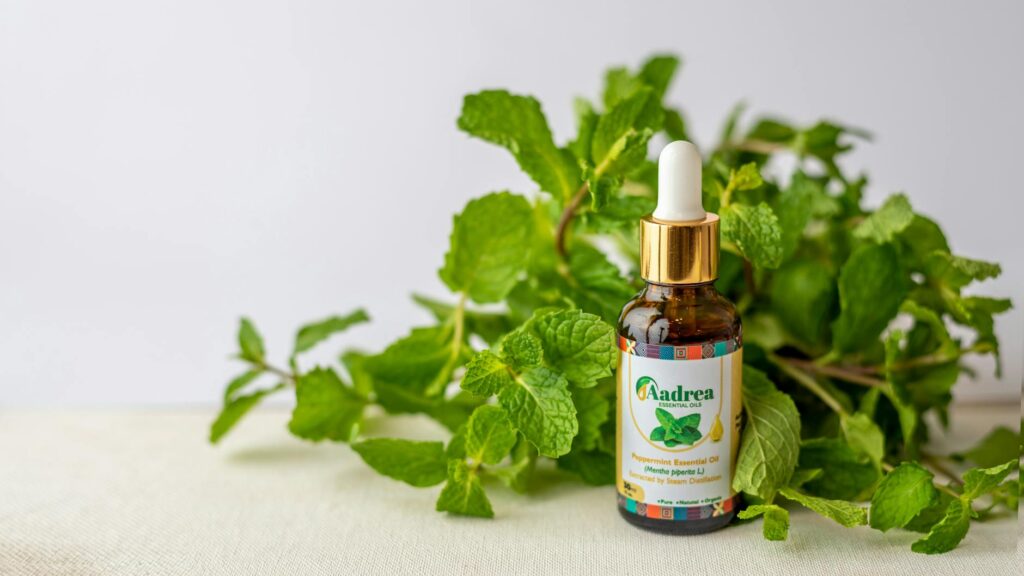
Complete Guide to Holy Basil Leaf Extract
Introduction
Holy Basil, or Ocimum sanctum, is a revered plant in traditional medicine, particularly in Ayurvedic practices. Often referred to as “Tulsi,” this aromatic herb is celebrated for its spiritual and therapeutic significance. Its leaves are extracted for various applications, making Holy Basil Leaf Extract a popular choice among herbal enthusiasts and practitioners of natural therapies. This guide provides a comprehensive overview of Holy Basil Leaf Extract, exploring its properties, benefits, uses, and safety considerations.
What Is Holy Basil Leaf Extract?
Holy Basil Leaf Extract is derived from the leaves of the Holy Basil plant. This extract can be obtained through various methods, including steam distillation, solvent extraction, or cold pressing. The resulting product retains many of the plant’s essential compounds, including flavonoids, phenolic acids, and essential oils, which contribute to its characteristic aroma and potential benefits.
Holy Basil is distinct from the more commonly known culinary basil (Ocimum basilicum). While both belong to the same family, Holy Basil is often used for its medicinal properties and is considered a sacred plant in many cultures, particularly in India.
Key Benefits and Properties
Holy Basil Leaf Extract possesses a range of beneficial properties, many of which have been the subject of scientific research. Key components include:
- Antioxidant Activity: Holy Basil is rich in antioxidants, which can help combat oxidative stress in the body.
- Adaptogenic Properties: It is classified as an adaptogen, a substance that may help the body adapt to stress and promote mental balance.
- Anti-inflammatory Effects: The extract may help reduce inflammation, which is linked to numerous chronic conditions.
- Antimicrobial Properties: Preliminary studies suggest that Holy Basil may possess antimicrobial properties, potentially aiding in the fight against certain pathogens.
- Herbal Teas and Supplements: The extract can be found in tea blends and dietary supplements aimed at promoting wellness.
- Cosmetics and Skincare: Its antioxidant and antimicrobial properties make it a popular ingredient in skincare formulations, where it may help soothe skin irritations and promote a healthy complexion.
- Culinary Uses: In some cultures, Holy Basil leaves are used in cooking for flavor and potential health benefits.
- Traditional Medicine: Holy Basil has been used in various traditional medicines as a remedy for stress, respiratory ailments, and digestive issues.
- Stress Relief: The scent of Holy Basil is thought to promote relaxation and alleviate stress, making it a popular choice for calming blends.
- Mental Clarity: Its uplifting aroma may enhance concentration and mental clarity, making it suitable for study or work environments.
- Spiritual Practices: In many cultures, Holy Basil is used in spiritual rituals and meditation practices to enhance focus and promote a sense of peace.
- Allergic Reactions: Some individuals may experience allergic reactions to Holy Basil. Conduct a patch test before using it on the skin.
- Pregnancy and Lactation: Pregnant or nursing individuals should consult a healthcare professional before using Holy Basil extracts or supplements, as some compounds may not be suitable during these periods.
- Drug Interactions: Holy Basil may interact with certain medications, particularly those related to blood sugar regulation, blood pressure, or anticoagulants. If you are on medication, consult a healthcare provider before incorporating Holy Basil into your routine.
- Storage Conditions: Store the extract in a cool, dark place away from direct sunlight and heat. This helps preserve its aromatic and beneficial properties.
- Container: Keep Holy Basil Leaf Extract in an airtight container to prevent oxidation and contamination.
- Shelf Life: While the shelf life can vary depending on the extraction method and storage conditions, it is generally advisable to use the extract within 1-2 years from the date of purchase. Always check for any changes in aroma, color, or consistency before use.
These properties contribute to the wide range of applications for Holy Basil Leaf Extract in both traditional and modern practices.
Common Uses
Holy Basil Leaf Extract is utilized in various contexts, including:
Aromatherapy Applications
In the realm of aromatherapy, Holy Basil Leaf Extract is valued for its distinctive aroma and potential therapeutic effects. It is often used in diffusers, massage oils, and personal care products. Some of its applications include:
When using Holy Basil in aromatherapy, it is often blended with other essential oils such as lavender, lemon, or sandalwood to create synergistic effects.
Safety Considerations
While Holy Basil Leaf Extract is generally considered safe for most people, it is essential to approach its use with caution. Here are some safety considerations to keep in mind:
Storage and Shelf Life
To maintain the quality and efficacy of Holy Basil Leaf Extract, proper storage is crucial. Here are some guidelines:
Frequently Asked Questions
1. Can Holy Basil Leaf Extract be ingested?
Yes, Holy Basil Leaf Extract can be ingested in various forms, such as teas or supplements. However, it is essential to follow recommended dosages and consult with a healthcare provider if you have any underlying health conditions.
2. Is Holy Basil Leaf Extract safe for children?
While Holy Basil is generally safe, it is advisable to consult a healthcare provider before giving it to children, as individual sensitivities may vary.
3. How do I use Holy Basil Leaf Extract in aromatherapy?
Holy Basil Leaf Extract can be added to a diffuser or blended with carrier oils for topical application. It can also be combined with other essential oils to create personalized blends.
4. Can I grow Holy Basil at home?
Yes, Holy Basil can be grown in home gardens or pots. It thrives in warm climates and requires plenty of sunlight and well-drained soil.
5. Are there any side effects of using Holy Basil Leaf Extract?
Some individuals may experience mild side effects, such as digestive discomfort or allergic reactions. It is always best to start with small amounts and monitor your body’s response.
Conclusion
Holy Basil Leaf Extract is a multifaceted herbal remedy with a rich history and a wide array of applications in modern wellness practices. From its potential health benefits to its aromatic properties, Holy Basil continues to be a valuable resource for those seeking natural solutions for everyday challenges. As with any herbal product, it is essential to approach its use mindfully and with respect for its potent nature. By understanding its properties and applications, individuals can incorporate Holy Basil Leaf Extract into their lives in a safe and meaningful way.