
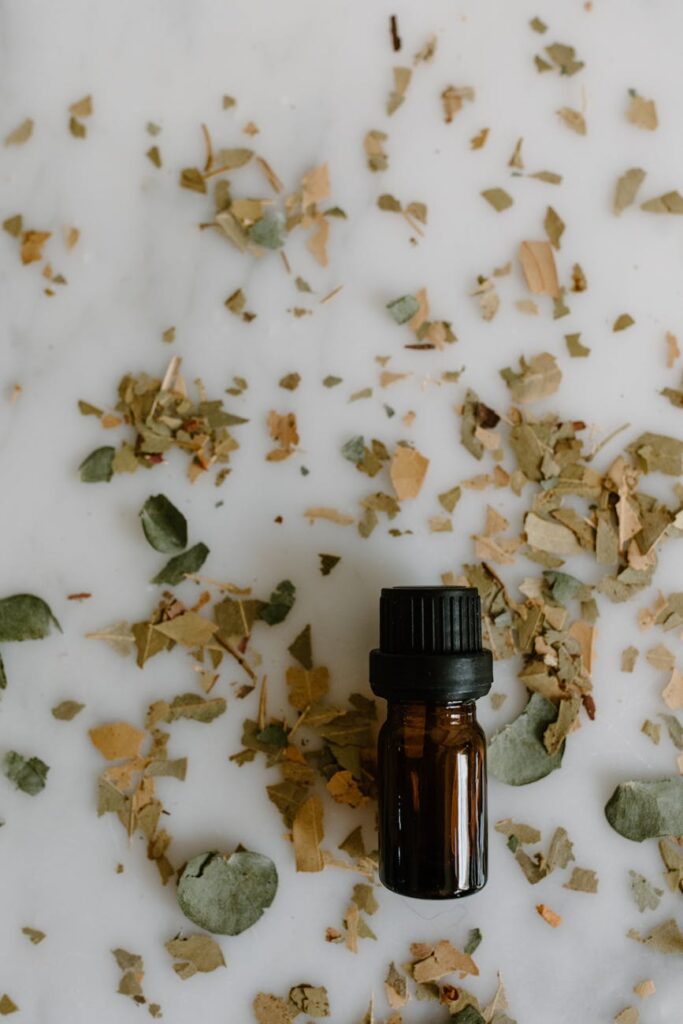
Complete Guide to Hydrodistillation Techniques
Introduction
Hydrodistillation is a widely employed method for extracting essential oils from plant materials. It combines the principles of steam distillation with water, allowing for the efficient capture of volatile compounds. As a cornerstone technique in the field of aromatherapy and natural perfumery, understanding hydrodistillation can enhance both the quality of essential oils produced and the efficacy of their applications. This guide delves into the intricacies of hydrodistillation, detailing its processes, benefits, and uses.
What Is Hydrodistillation Techniques?
Hydrodistillation refers to the process of extracting essential oils through the combination of water and steam. The method involves placing plant materials—such as flowers, leaves, or roots—into a distillation apparatus along with water. As the water is heated, steam rises and passes through the plant material, vaporizing the essential oils contained within. The vapor then travels through a condenser, where it cools and returns to liquid form, separating the essential oils from the water.
This technique can be categorized into two main types:
1. Direct Hydrodistillation: In this method, the plant material is submerged directly in boiling water. The steam generated carries the volatile compounds upward, where they are collected and condensed.
2. Steam Distillation: In this more refined method, steam is introduced separately to the plant material, allowing for better control over the temperature and reducing the risk of thermal degradation of sensitive compounds.
Both methods yield aromatic compounds, although the choice of technique may be influenced by the type of plant material and the desired quality of the essential oil.
Key Benefits and Properties
Hydrodistillation has several advantages that contribute to its popularity among essential oil producers:
- High Extraction Efficiency: This technique allows for the effective extraction of volatile compounds, maximizing oil yield from the plant material.
- Preservation of Aromatic Qualities: Hydrodistillation helps retain the natural fragrance of the plant, enabling the production of high-quality essential oils.
- Versatility: A wide variety of plant materials can be processed using hydrodistillation, including herbs, flowers, and roots, making it a flexible option for producers.
- Environmental Considerations: The use of water as a solvent minimizes the need for organic solvents, which can be harmful to the environment.
- Aromatherapy: Used in diffusers, topical applications, and inhalation, essential oils promote relaxation, focus, and emotional well-being.
- Cosmetics and Personal Care: Many cosmetic formulations incorporate essential oils for their fragrances and beneficial properties.
- Food and Beverage: Some oils are used as flavoring agents in culinary applications, adding depth and complexity to foods and drinks.
- Household Products: Essential oils are often included in cleaning products and air fresheners for their natural scent and potential antimicrobial properties.
- Lavender (Lavandula angustifolia): Known for its calming properties, lavender oil is frequently used in relaxation techniques and sleep aids.
- Peppermint (Mentha piperita): With its invigorating scent, peppermint oil is often utilized to enhance focus and energy levels.
- Eucalyptus (Eucalyptus globulus): This oil is commonly employed for respiratory support, promoting clear breathing and relaxation.
- Tea Tree (Melaleuca alternifolia): Valued for its antiseptic properties, tea tree oil is frequently used in skin care formulations.
- Rose (Rosa damascena): Renowned for its luxurious fragrance, rose oil is often incorporated into perfumes and skin care products.
- Dilution: Essential oils are highly concentrated and should generally be diluted before topical application. Carrier oils like coconut or jojoba oil can be used for this purpose.
- Sensitivity and Allergies: Individuals may have varying sensitivities or allergies to specific oils. A patch test is recommended before extensive use.
- Pregnancy and Medical Conditions: Certain essential oils may not be suitable for pregnant individuals or those with specific health conditions. Consulting with a professional before use is advisable.
- Storage and Expiry: Proper storage is crucial to maintaining the quality of essential oils. Oils should be kept in dark glass bottles, away from direct sunlight and heat.
- Container: Dark glass bottles are preferred for storing essential oils as they protect the contents from light degradation.
- Temperature: Oils should be stored in a cool, dry place, away from heat sources and direct sunlight, which can alter their chemical composition.
- Shelf Life: The shelf life of essential oils varies depending on the type. Generally, citrus oils have a shorter shelf life (about 1-2 years), while heavier oils like sandalwood can last for several years. Regularly check for changes in scent, color, or viscosity as signs of degradation.
The properties of the essential oils produced through hydrodistillation can vary significantly depending on factors such as the plant species, the method used, and the specific extraction conditions. These oils are rich in terpenes, alcohols, esters, and other phytochemicals, contributing to their unique fragrances and characteristics.
Common Uses
Essential oils extracted via hydrodistillation find application across various industries:
Aromatherapy Applications
In the realm of aromatherapy, hydrodistilled essential oils play a crucial role in enhancing mental, emotional, and physical well-being. Some popular oils extracted using this technique include:
Each essential oil has its unique profile, and users should explore various options to find the best fit for their individual needs.
Safety Considerations
While hydrodistilled essential oils offer numerous benefits, it is essential to approach their use with caution. Some important safety considerations include:
Storage and Shelf Life
To ensure the longevity and efficacy of hydrodistilled essential oils, proper storage practices are essential:
Frequently Asked Questions
1. How is hydrodistillation different from other distillation methods?
Hydrodistillation specifically involves the use of water in conjunction with steam to extract essential oils, whereas other methods, like solvent extraction or cold pressing, utilize different techniques to isolate volatile compounds.
2. Can I perform hydrodistillation at home?
While small-scale hydrodistillation setups can be created for home use, it requires careful monitoring and knowledge of the process to ensure safety and quality. Commercial distillation apparatuses are recommended for consistent results.
3. Are all essential oils produced through hydrodistillation?
No, while many essential oils are extracted using hydrodistillation, other methods such as cold pressing (common for citrus oils) and solvent extraction (often used for delicate flowers) are also used.
4. What plants are best suited for hydrodistillation?
Most aromatic plants, particularly those with high oil content such as lavender, peppermint, and eucalyptus, are well-suited for hydrodistillation.
5. Is hydrodistillation environmentally friendly?
Hydrodistillation is generally considered environmentally friendly due to its minimal use of harmful solvents and its reliance on water as a primary extraction medium. However, sustainability also depends on the sourcing of plant materials.
Conclusion
Hydrodistillation is a vital technique in the extraction of essential oils, offering a blend of efficiency, quality, and versatility. By understanding the methods, benefits, and applications of hydrodistillation, individuals and businesses alike can harness the power of essential oils for a variety of purposes, from personal care to aromatherapy. As with any natural product, mindful use and proper safety precautions are essential for maximizing the benefits while minimizing risks.