
Complete Guide to Hydrosol Distillation Techniques
Introduction
Hydrosols, often referred to as floral waters, are aromatic water-based solutions produced during the steam distillation of plant materials. They contain the water-soluble components of the plant, including essential oils and other phytochemicals. This guide delves into the techniques used in hydrosol distillation, highlighting their benefits, applications, and practical considerations for enthusiasts and practitioners alike.
What Is Hydrosol Distillation Techniques?
Hydrosol distillation is the process through which essential oils and hydrosols are extracted from plant materials. The primary method used is steam distillation, though other techniques such as water distillation and solvent extraction may also be employed.
Steam Distillation
In steam distillation, steam is passed through plant material. The heat causes the plant’s volatile compounds to evaporate. As the steam rises, it carries these compounds along with it. The mixture of steam and essential oils then passes through a condenser, where it cools and returns to liquid form. This liquid then separates into two layers: the essential oil layer and the hydrosol layer.
Water Distillation
This method involves boiling the plant material directly in water. As the water vaporizes, it carries the aromatic compounds with it. The vapor is then condensed back into liquid form. While this method is simpler, it can result in lower quality hydrosols compared to steam distillation.
Solvent Extraction
Although less common for producing hydrosols, solvent extraction can be used to capture a broader range of plant constituents. This method involves using a solvent (like ethanol) to extract compounds from the plant material. The solvent is then removed, leaving behind a concentrated hydrosol.
Key Benefits and Properties
Hydrosols possess numerous attributes that make them valuable in various applications:
Mildness
Hydrosols are generally gentler than essential oils, making them suitable for sensitive skin and for use on children and pets.
Aroma
They carry the subtle scent of the plant from which they were derived, providing a pleasant fragrance that can enhance any environment.
Hydration
Hydrosols can provide hydration when used in skin care, helping to balance moisture levels in the skin.
Therapeutic Properties
Many hydrosols retain some of the therapeutic properties of their parent plants, making them valuable in holistic practices.
Versatility
Hydrosols can be used in a variety of contexts, from personal care products to culinary applications.
Common Uses
Hydrosols are incredibly versatile and can be used in a range of applications, including:
Skin Care
Hydrosols are commonly used in facial toners, mists, and serums. For example, rose hydrosol is prized for its calming properties and is often used to soothe irritated skin.
Household Products
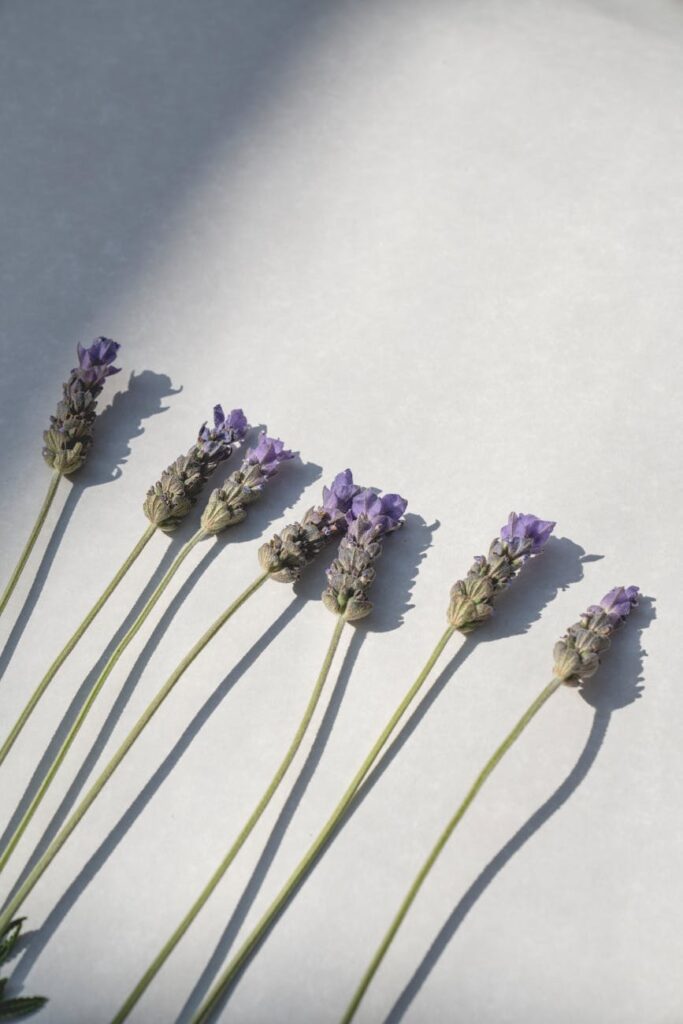
Hydrosols can serve as natural air fresheners or cleaning agents. Lavender hydrosol, for instance, not only provides a pleasant scent but also possesses antimicrobial properties.
Culinary Uses
Some hydrosols, such as orange or mint, can be incorporated into culinary creations, adding a unique flavor profile to dishes and beverages.
Personal Care
Hydrosols can be used in hair care products, body sprays, and aftershaves, offering both fragrance and benefits to hair and skin.
Aromatherapy Applications
In the realm of aromatherapy, hydrosols are gaining recognition for their subtle aromatic profiles and therapeutic benefits.
Diffusion
Hydrosols can be diffused in a similar manner to essential oils. Their lighter scents make them suitable for use in smaller spaces or environments where essential oils might be overpowering.
Topical Application
When diluted properly, hydrosols can be applied directly to the skin. They can be used in compresses, sprays, or incorporated into lotions and creams.
Meditation and Relaxation
Certain hydrosols, like chamomile or lavender, can be used during meditation or relaxation practices, helping to create a calming atmosphere.
Safety Considerations
While hydrosols are generally safe for use, it is essential to consider the following precautions:
Patch Testing
For those with sensitive skin, it is advisable to perform a patch test before applying a new hydrosol to larger areas of the skin. This helps to identify any potential allergic reactions.
Dilution
Although hydrosols are milder than essential oils, dilution may still be necessary for certain applications, especially when using them in conjunction with other products.
Pregnancy and Nursing
It is important to exercise caution and consult with a knowledgeable practitioner when considering the use of hydrosols during pregnancy or while nursing, as some may not be suitable during these times.
Quality Source
Always source hydrosols from reputable suppliers to ensure purity and quality. Impurities can affect both safety and efficacy.
Storage and Shelf Life
Proper storage is vital to maintaining the quality of hydrosols.
Containers
Hydrosols should be stored in dark glass bottles to protect them from light, which can degrade their constituents.
Temperature
They should be kept in a cool, dark place, ideally at temperatures below 25°C (77°F).
Shelf Life
Typically, hydrosols have a shelf life of 6 months to 2 years, depending on the plant material and storage conditions. Always check for changes in smell, color, or clarity before use, as these can indicate spoilage.
Frequently Asked Questions
How are hydrosols different from essential oils?
Hydrosols are the water byproduct of the distillation process used to produce essential oils. While both contain aromatic compounds, hydrosols are milder and contain a different concentration of constituents compared to essential oils.
Can I make hydrosols at home?
Yes, it is possible to make hydrosols at home using steam distillation equipment. However, it requires careful attention to detail and safety precautions to ensure quality and safety.
Are hydrosols safe for children and pets?
In general, hydrosols are considered safe for children and pets. However, it is advisable to consult with a knowledgeable practitioner regarding specific types of hydrosols and their suitability for use around children and animals.
Can hydrosols go bad?
Yes, hydrosols can spoil if not stored properly. Signs of spoilage include off odors, changes in color, or cloudiness. Always check the hydrosol before use.
How can I incorporate hydrosols into my daily routine?
Hydrosols can be used as facial mists, added to bath water, incorporated into skincare products, or used in DIY home cleaning solutions. Their versatility allows for creative applications in daily life.
Conclusion
Hydrosol distillation techniques provide a fascinating insight into the world of aromatic plant extracts. With their gentle properties, versatility, and therapeutic potential, hydrosols offer numerous benefits for everyday use. As interest in natural products continues to grow, understanding and utilizing hydrosols can enrich personal care routines, enhance home environments, and deepen one’s appreciation for the natural world. Whether you are a novice or an experienced practitioner, incorporating hydrosols into your life can be both rewarding and enjoyable.