
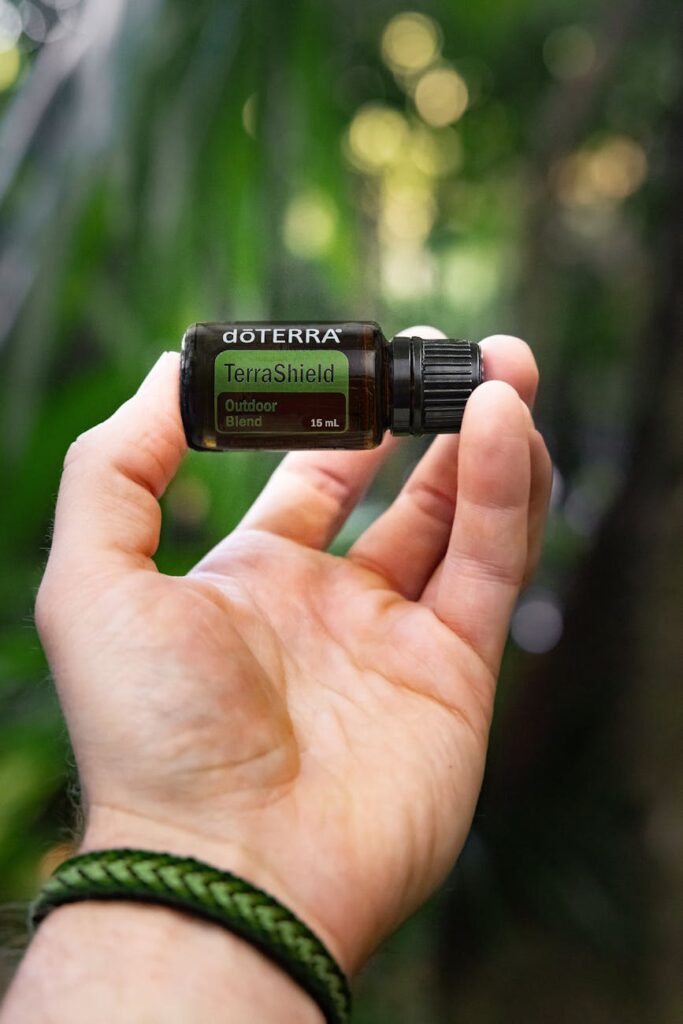
Complete Guide to Immune Support Blends Part 14
Introduction
The immune system serves as the body’s defense against pathogens, including viruses, bacteria, and other microorganisms. Maintaining a robust immune system is essential for overall health and well-being. One of the ways individuals can support their immune systems is through the use of essential oils and aromatherapy. This article explores immune support blends, detailing their components, benefits, applications, and safety considerations.
What Is Immune Support Blends?
Immune support blends are combinations of essential oils specifically formulated to bolster the body’s natural defenses. These blends typically include oils known for their antimicrobial, antiseptic, and immune-stimulating properties. The precise formulation can vary widely, depending on the intended use and desired effects, but they often feature oils derived from plants known for their therapeutic benefits.
Composition of Immune Support Blends
Common essential oils found in immune support blends may include:
- Tea Tree Oil: Known for its antimicrobial properties.
- Eucalyptus Oil: Often used for respiratory support.
- Lemon Oil: Valued for its uplifting aroma and cleansing qualities.
- Thyme Oil: Recognized for its strong antiseptic effects.
- Oregano Oil: Noted for its antioxidant properties.
These oils can be combined in various ratios to create blends tailored to specific needs.
Key Benefits and Properties
The benefits of using immune support blends can be attributed to the unique chemical compositions of the individual essential oils. Here are some of the key benefits:
Antimicrobial Properties
Many essential oils possess natural antimicrobial properties, which can help inhibit the growth of bacteria and viruses. For instance, tea tree and oregano oils have been shown to demonstrate effectiveness against various pathogens.
Anti-Inflammatory Effects
Certain essential oils, such as eucalyptus and thyme, exhibit anti-inflammatory properties that may help reduce inflammation in the body, promoting overall health.
Immune System Boosting
Some essential oils are believed to stimulate the immune system, enhancing the body’s ability to fight infections. Oils like lemon and eucalyptus can contribute to this effect through their uplifting aromas that encourage positive emotional states.
Respiratory Support
Immune support blends often include oils that assist with respiratory function. Eucalyptus, for example, can help open airways and promote easier breathing, particularly beneficial during times of increased illness.
Common Uses
Immune support blends can be employed in various ways to help maintain wellness. Here are some common applications:
Diffusion
One of the most popular methods for using essential oils is through diffusion. Adding a few drops of an immune support blend to a diffuser can disperse the oils into the air, allowing for inhalation and creating an aromatic environment that may help promote a sense of well-being.
Topical Application
Diluting essential oils in a carrier oil (such as coconut oil, jojoba oil, or almond oil) allows for safe topical application. This method can be particularly effective for localized immune support, such as applying to the chest or the soles of the feet.
Inhalation
Direct inhalation of essential oils can be beneficial for immediate respiratory support. A few drops of the immune support blend can be added to a tissue or a cotton pad for inhalation.
Bathing
Adding a few drops of immune support blends to bathwater can create a soothing and therapeutic experience. The warm water can enhance the absorption of the essential oils through the skin while providing a calming atmosphere.
Aromatherapy Applications
The use of immune support blends in aromatherapy can enhance both physical and emotional well-being. Here are some applications:
Emotional Well-being
Aromatherapy can play a significant role in managing stress and anxiety, which can impact immune function. Essential oils such as lemon and eucalyptus can uplift mood, potentially providing an emotional boost during times of illness.
Respiratory Health
Inhalation of immune support blends containing eucalyptus or peppermint can assist with respiratory health by promoting clear airways and easing breathing.
Seasonal Support
Many people find immune support blends beneficial during seasonal changes when colds and flu are more prevalent. Diffusing these blends can create an environment that may help combat seasonal ailments.
Safety Considerations
While essential oils can offer numerous benefits, they must be used with caution. Some important safety considerations include:
Dilution
Essential oils are highly concentrated substances. It is crucial to dilute them with a carrier oil before applying them to the skin to prevent irritation or allergic reactions. A general guideline is to use a 2% dilution (approximately 12 drops of essential oil per 1 ounce of carrier oil) for topical applications.
Sensitivity and Allergies
Individuals may have varying sensitivities to essential oils. It is advisable to conduct a patch test before widespread application to check for any adverse reactions.
Pregnancy and Nursing
Pregnant or nursing individuals should consult with a qualified professional before using essential oils, as some oils may not be recommended during this period.
Medical Conditions
Individuals with specific medical conditions or those taking medications should consult with a healthcare professional before using essential oils to avoid potential interactions.
Storage and Shelf Life
Proper storage of essential oils is essential to maintain their efficacy and longevity. Here are some tips:
Storage Conditions
Essential oils should be stored in a cool, dark place, away from direct sunlight and heat. Glass containers with tight-sealing lids are ideal for preserving the integrity of the oils.
Shelf Life
The shelf life of essential oils can vary based on their chemical composition and storage conditions. Generally, citrus oils may last 1-2 years, while oils like patchouli and sandalwood can last several years. Always check for any changes in aroma, color, or consistency, as these may indicate that the oil has degraded.
Frequently Asked Questions
1. Can I create my own immune support blend?
Yes, you can create your own immune support blend by combining essential oils known for their immune-boosting properties. Ensure that you research the properties of each oil and follow proper dilution guidelines.
2. How often can I use immune support blends?
The frequency of use can depend on individual preferences and sensitivities. For topical application, it’s often recommended to use blends 1-3 times a day, while diffusion can be done as needed.
3. Are there any essential oils to avoid in immune support blends?
While many essential oils are beneficial, it is advisable to avoid using oils known for their irritant properties (such as cinnamon leaf or clove) without expert guidance, particularly in topical applications.
4. Can children use immune support blends?
Children may benefit from immune support blends, but it is crucial to use oils that are safe for their age group and to dilute them appropriately. Consulting with a qualified professional is recommended.
5. Can I use immune support blends alongside medications?
While many people use essential oils alongside conventional treatments, it is essential to consult with a healthcare professional to ensure safety and avoid potential interactions.
Conclusion
Immune support blends offer a natural approach to bolstering the body’s defenses against illness. By understanding their properties, benefits, and applications, individuals can incorporate these aromatic oils into their wellness routines responsibly. As with any complementary practice, it is important to prioritize safety and consult with qualified professionals when necessary to ensure the best outcomes.