
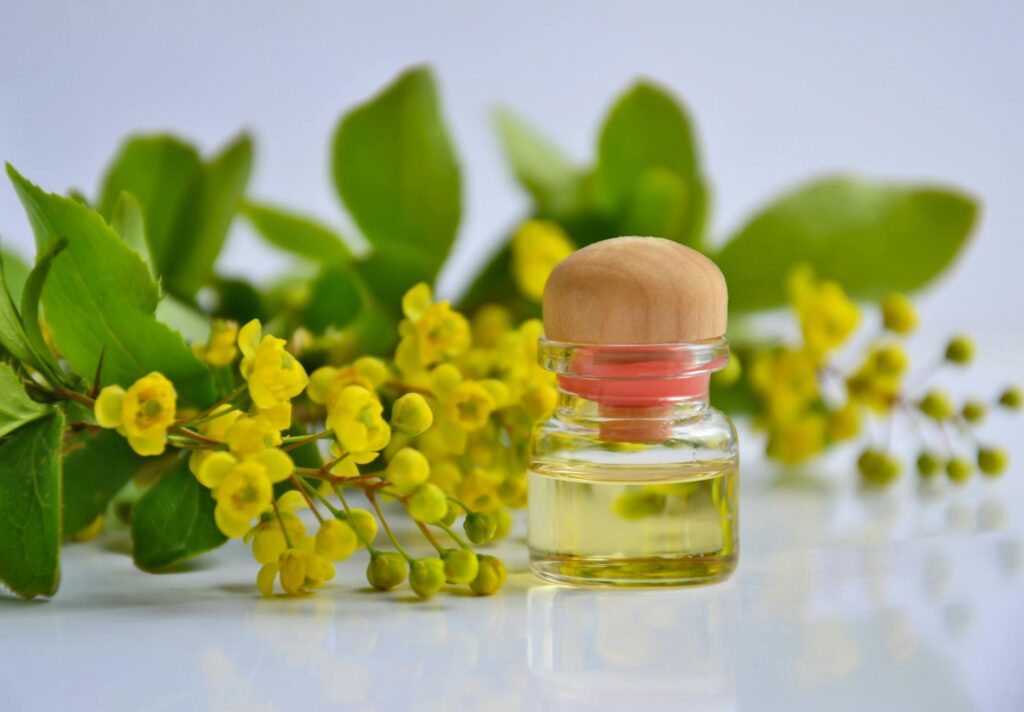
Complete Guide to Infused Oils
Introduction
Infused oils are a delightful and versatile component of the world of natural remedies, culinary arts, and personal care. They are created by steeping plant materials—such as herbs, flowers, or spices—in a carrier oil. This process extracts the beneficial properties, fragrances, and flavors of the botanicals, resulting in a rich, aromatic oil that can be used in various applications. This guide will explore the intricacies of infused oils, including their benefits, uses, and practical considerations.
What Is Infused Oils?
Infused oils are oils that have been enhanced by the infusion of plant materials. The most common carrier oils used for infusion include olive oil, almond oil, jojoba oil, and coconut oil. The infusion process involves submerging the chosen plant material in the carrier oil and allowing it to sit for a period, usually ranging from a few days to several weeks. This allows the oil to absorb the plant’s essential compounds, creating a product that holds the essence of the original botanicals.
Types of Infused Oils
1. Herbal Infused Oils: Often used in herbal medicine and natural remedies.
2. Floral Infused Oils: Made from flowers, these oils are popular in cosmetics and fragrance.
3. Spice Infused Oils: Typically used in cooking to enhance flavors.
Key Benefits and Properties
Infused oils possess a variety of properties that make them valuable in both culinary and therapeutic applications.
Nutritional Benefits
Many infused oils can provide health benefits due to the presence of compounds from the plant material. For example, olive oil infused with garlic may carry some of the health benefits associated with garlic, such as antioxidant properties.
Aromatic Qualities
The infusion process captures the fragrance of the botanicals, allowing infused oils to serve as natural aromatics. This makes them suitable for use in cosmetics and personal care products, where scent plays a significant role.
Therapeutic Properties
While infused oils are not substitutes for medical treatment, many users find that they can offer a range of supportive benefits. For instance, infused oils made from calming herbs like chamomile or lavender are often used in relaxation practices.
Common Uses
The versatility of infused oils means they can be employed in numerous ways:
Culinary Uses
Infused oils are popular in cooking, often used as finishing oils drizzled over dishes or as a base for salad dressings. Common infusions include:
- Garlic Oil: Adds depth to marinades and sautéed dishes.
- Chili Oil: Provides a spicy kick to various cuisines.
- Herb Oils: Basil or rosemary-infused oils are excellent for enhancing pasta or meat dishes.
- Massage Oils: Infused with soothing herbs for relaxation.
- Skin Care Products: Such as lotions and creams that benefit from the moisturizing properties of the carrier oil and the added benefits of the infused botanicals.
- Hair Care: Oils infused with herbs like rosemary or hibiscus can be nourishing for hair health.
- Natural Cleaning Products: Oils infused with citrus or herbs can be effective in homemade cleaning solutions.
- Candles and Diffusers: Infused oils can enhance the ambiance of a space when used in candles or oil diffusers.
- Massage: Infused oils can be applied topically during massages, allowing the benefits of the herbs to be absorbed through the skin.
- Diffusion: Infused oils can be added to diffusers to disperse their aroma throughout a space, creating a calming or invigorating atmosphere.
- Baths: Adding infused oils to bathwater can create a soothing experience, promoting relaxation and stress relief.
- Herbal Infused Oils: Typically last 6 months to 1 year when stored properly.
- Floral Infused Oils: May have a shorter shelf life, often around 3 to 6 months.
- Spice Infused Oils: Usually last longer, often up to 1 year.
Personal Care
Infused oils are widely used in cosmetics and personal care products. They can be found in:
Household Uses
Infused oils can also serve practical functions in the home:
Aromatherapy Applications
In aromatherapy, infused oils can be used in various methods to promote well-being:
Safety Considerations
While infused oils are generally safe for use, it is essential to keep several factors in mind:
Allergies and Sensitivities
Before using any infused oil, it is crucial to ensure that no allergies or sensitivities exist to the botanical ingredients. A patch test can help determine if a particular oil may cause a reaction.
Dilution
Infused oils are often safe for topical use, but it is advisable to dilute them further with a carrier oil if used on sensitive areas of the skin. This is particularly important for those with sensitive skin or conditions like eczema.
Quality of Ingredients
Using high-quality, organic botanicals and carrier oils is essential to ensure the best results and minimize potential harmful additives. Always source from reputable suppliers.
Storage and Shelf Life
The shelf life of infused oils can vary depending on the type of carrier oil used and the botanicals infused. Here are some guidelines for proper storage:
Storage Conditions
1. Cool, Dark Place: Infused oils should be stored in a cool, dark place to prevent oxidation and rancidity.
2. Glass Containers: Use dark glass bottles to protect the oil from light, which can degrade its quality.
Shelf Life
It is advisable to check for any changes in smell, color, or consistency before use.
Frequently Asked Questions
Can I make infused oils at home?
Yes, infused oils can easily be made at home using simple techniques. It is essential to follow safe practices to ensure the quality and effectiveness of the oils.
How long does it take to make infused oils?
The infusion process can take anywhere from a few days to several weeks, depending on the method used and the type of botanicals. Cold infusion takes longer, while hot infusion methods can yield results in a shorter time.
Are infused oils edible?
Many infused oils are safe for culinary uses, but it is crucial to ensure that the botanicals used are food-grade and safe for consumption.
Can infused oils be used in cooking?
Yes, infused oils can add flavor and aroma to culinary dishes. However, ensure the infusion is appropriate for cooking and that it has been prepared using food-safe methods.
How can I tell if my infused oil has gone bad?
Signs of spoilage include an off smell, a change in color, or the presence of cloudiness or sediment. If in doubt, it’s best to discard the oil.
Conclusion
Infused oils represent an accessible and versatile way to incorporate the benefits of botanicals into everyday life. Whether used for culinary delights, personal care, or aromatherapy, they offer a wealth of possibilities. By understanding their properties, uses, and proper storage, enthusiasts can enjoy these fragrant oils safely and effectively, enhancing their well-being and enriching their experiences.