
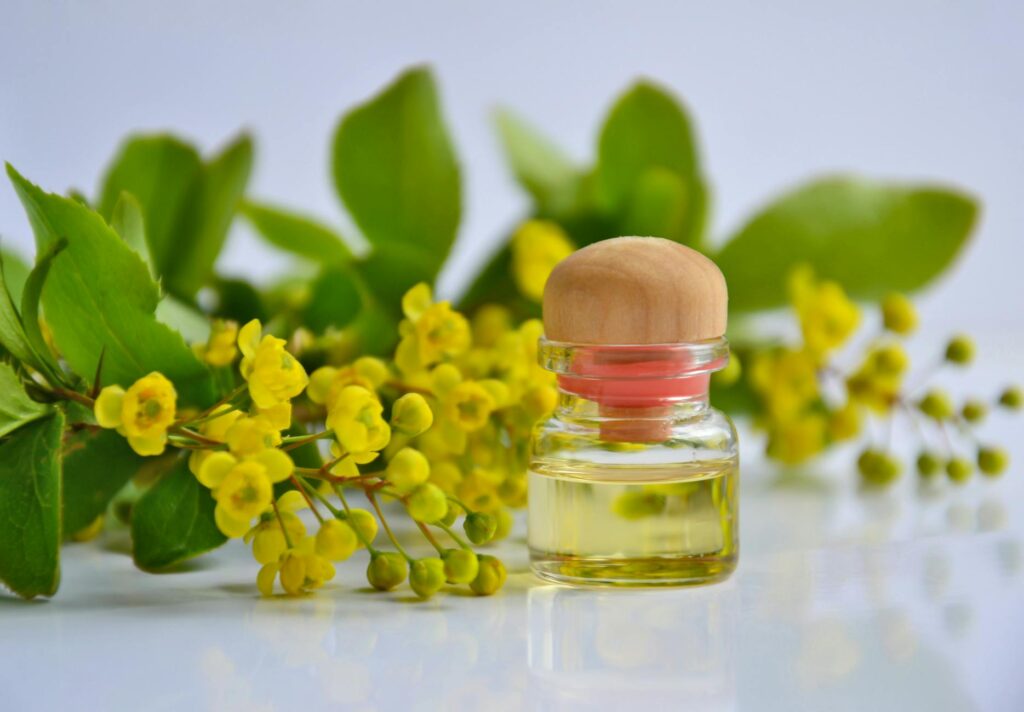
Complete Guide to Jojoba Oil Part 1
Introduction
Jojoba oil has gained considerable attention in recent years for its versatile properties and benefits. Sourced from the seeds of the Simmondsia chinensis plant, this oil is often lauded for its ability to mimic the natural oils of the skin, making it a popular choice in various beauty and wellness applications. In this guide, we will explore the origins, benefits, uses, and best practices associated with jojoba oil, providing you with a comprehensive understanding of this remarkable substance.
What Is Jojoba Oil?
Jojoba oil is a liquid wax ester derived from the seeds of the jojoba plant, which is native to the arid regions of North America, particularly the southwestern United States and Mexico. The plant itself is a hardy shrub, capable of thriving in harsh, desert-like environments. Jojoba oil is unique in that it closely resembles the natural sebum produced by human skin, making it an excellent emollient and moisturizer.
The oil is extracted through a cold-pressing method that preserves its beneficial properties. It is light in texture, non-greasy, and has a relatively long shelf life, making it a popular ingredient in a variety of cosmetic and personal care products.
Key Benefits and Properties
Jojoba oil is celebrated for its numerous benefits and properties, which include:
1. Moisturizing: Jojoba oil effectively hydrates the skin without clogging pores. Its structure allows it to penetrate deeply, providing long-lasting moisture.
2. Balancing: Due to its similarity to human sebum, jojoba oil can help regulate oil production. It can be beneficial for both dry and oily skin types, as it helps balance moisture levels.
3. Anti-inflammatory: Jojoba oil contains natural anti-inflammatory properties that can soothe irritated skin and reduce redness.
4. Antioxidant: Rich in vitamins E and B-complex, jojoba oil acts as an antioxidant, helping to protect the skin from environmental stressors.
5. Healing: The oil promotes skin healing and may assist in reducing the appearance of scars, stretch marks, and fine lines.
6. Hypoallergenic: Jojoba oil is generally well-tolerated by most skin types, making it a safe option for those with sensitive skin.
Common Uses
Jojoba oil’s versatility allows it to be used in various ways, including:
- Skincare: As a carrier oil for essential oils, it can be used in massage oils, facial serums, and moisturizers.
- Haircare: Jojoba oil can be applied to the scalp and hair to nourish and condition, helping to reduce dryness and promote shine.
- Makeup Remover: Its gentle, non-irritating properties make it an effective makeup remover, suitable for all skin types.
- Lip Care: Jojoba oil can be used in lip balms and glosses to provide hydration and protection against chapping.
- Cuticle Oil: It can be massaged into the cuticles to promote healthy nail growth and prevent dryness.
- Patch Test: It is advisable to perform a patch test before using jojoba oil extensively, especially for individuals with sensitive skin or allergies. Apply a small amount of oil to a discreet area and observe for any adverse reactions.
- Storage: Proper storage is essential for maintaining the quality of jojoba oil. It should be kept in a cool, dark place, away from direct sunlight and heat.
- Pregnancy and Nursing: Although jojoba oil is typically safe, pregnant and nursing individuals should consult a healthcare professional before using any new products.
- Interactions: If you are taking any medications or have existing skin conditions, it is best to consult with a healthcare professional before incorporating jojoba oil into your routine.
- Keep it Cool: Store the oil in a cool, dark place, away from direct sunlight and heat sources. A dark glass bottle is ideal for preventing light exposure.
- Seal It: Ensure that the bottle is tightly sealed to prevent oxidation, which can degrade the oil’s quality.
- Check Expiration: While jojoba oil can last for up to 2-3 years, it is advisable to check for any changes in color, odor, or texture before use. If any changes are noted, it is best to discard the oil.
Aromatherapy Applications
In aromatherapy, jojoba oil serves primarily as a carrier oil, facilitating the safe application of essential oils onto the skin. Its neutral scent and lightweight texture make it an ideal choice for blending with various essential oils. Here are some common ways to incorporate jojoba oil into aromatherapy practices:
1. Dilution: Essential oils are highly concentrated and should be diluted before being applied to the skin. Jojoba oil serves as an excellent diluent, allowing for safe and effective application.
2. Massage: When combined with essential oils, jojoba oil can be used in massage therapy to enhance relaxation and alleviate stress.
3. Diffusion: While jojoba oil is not typically used in diffusers, it can be blended with essential oils to create custom blends that can be applied topically or used in body care products.
4. Skincare: Incorporating essential oils into skincare formulations with jojoba oil can amplify the benefits of both the oil and the chosen essential oils.
Safety Considerations
While jojoba oil is generally regarded as safe for topical use, there are some important safety considerations to keep in mind:
Storage and Shelf Life
Jojoba oil has a relatively long shelf life when stored properly. To ensure it remains effective:
Frequently Asked Questions
1. Can jojoba oil be used on all skin types?
Yes, jojoba oil is generally safe for all skin types, including sensitive skin. Its unique ability to mimic natural sebum allows it to hydrate without clogging pores.
2. Is jojoba oil comedogenic?
Jojoba oil is considered non-comedogenic, meaning it is unlikely to clog pores. This makes it suitable for individuals with acne-prone skin.
3. How do I use jojoba oil in my skincare routine?
Jojoba oil can be applied directly to the skin as a moisturizer, or it can be mixed with other skincare products. It can also be blended with essential oils for added benefits.
4. Can jojoba oil be used in hair care?
Absolutely! Jojoba oil can be massaged into the scalp to nourish and hydrate, or it can be applied to the hair for added shine and moisture.
5. Is jojoba oil safe for pregnant or nursing women?
While jojoba oil is generally recognized as safe, it is advisable for pregnant or nursing women to consult a healthcare professional before using any new products.
Conclusion
Jojoba oil is a remarkable natural substance with a wide array of benefits and applications. Its unique composition, which closely resembles human sebum, allows it to serve as an effective moisturizer, balancing agent, and healing substance for the skin. In Part 2 of this guide, we will delve deeper into the extraction methods, sourcing, and sustainability of jojoba oil, as well as its role in various industries. Understanding jojoba oil’s properties and uses will empower you to incorporate it into your daily routine effectively, enhancing both beauty and wellness.