
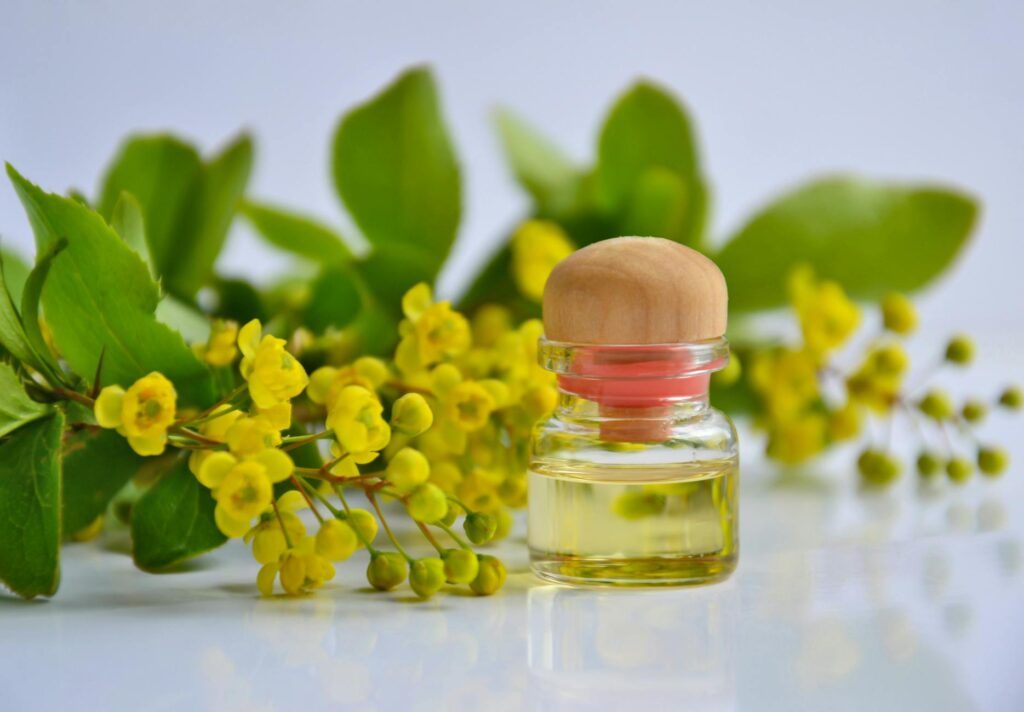
Complete Guide to Jojoba Oil Part 1
Introduction
Jojoba oil has gained significant popularity in the world of natural skincare and aromatherapy. Extracted from the seeds of the Simmondsia chinensis plant, which is native to the arid regions of North America, this oil is renowned for its versatility and numerous benefits. As more people look to integrate natural products into their personal care routines, understanding the properties, uses, and applications of jojoba oil can provide valuable insights into its role in enhancing well-being.
What Is Jojoba Oil?
Jojoba oil is a liquid wax ester rather than a traditional oil, making it unique among plant-based oils. The extraction process typically involves cold-pressing the seeds, a method that preserves the oil’s beneficial properties. Jojoba oil is often used in various cosmetic and personal care products due to its resemblance to the natural sebum produced by human skin. Its chemical composition allows it to penetrate the skin easily, providing hydration and nourishment.
Composition
The oil is primarily composed of long-chain fatty acids and fatty alcohols, with a significant portion being eicosenoic acid (a monounsaturated fatty acid). This composition is responsible for its emollient properties, making it an effective moisturizer. Additionally, jojoba oil contains vitamin E and other antioxidants, which contribute to its skin-soothing and protective qualities.
Key Benefits and Properties
Jojoba oil boasts a range of benefits that contribute to its popularity in skincare and wellness:
Moisturizing
Due to its emollient properties, jojoba oil effectively hydrates the skin without leaving a greasy residue. It creates a barrier that helps to lock in moisture, making it suitable for various skin types, including oily and sensitive skin.
Anti-Inflammatory
The oil has anti-inflammatory properties that can help soothe irritated skin. This quality makes it a favorable option for individuals dealing with conditions such as eczema or psoriasis.
Antioxidant-Rich
Jojoba oil is rich in antioxidants, including vitamin E, which can help combat oxidative stress caused by environmental factors. This antioxidant content supports skin health and may contribute to a more youthful appearance.
Non-Comedogenic
One of the standout features of jojoba oil is its non-comedogenic nature, meaning it is unlikely to clog pores. This makes it suitable for acne-prone skin, as it can hydrate without exacerbating breakouts.
Common Uses
Jojoba oil’s versatility allows it to be used in various applications, including:
Skin Care
- Moisturizer: A popular choice for daily hydration, it can be used alone or as part of a skincare routine.
- Makeup Remover: Its ability to dissolve makeup makes it an effective and gentle option for cleansing.
- Anti-Aging Treatment: Regular application can help reduce the appearance of fine lines and wrinkles.
- Conditioner: Jojoba oil can be used as a leave-in conditioner to add shine and moisture to hair.
- Scalp Treatment: Its anti-inflammatory properties can soothe dry, itchy scalps.
- Temperature: Store jojoba oil in a cool, dark place, away from direct sunlight and heat, which can degrade the oil over time.
- Container: Ideally, jojoba oil should be kept in a dark glass bottle to protect it from light exposure.
Hair Care
Massage Oil
Due to its smooth texture and skin-penetrating qualities, jojoba oil is often used as a base for massage oils, providing a nourishing experience for both the skin and muscles.
Aromatherapy Applications
While jojoba oil is not primarily an essential oil, it serves as an excellent carrier oil in aromatherapy. Carrier oils are used to dilute essential oils, allowing for safe topical application. Here are some common ways to use jojoba oil in aromatherapy:
Dilution
When blending essential oils for topical use, jojoba oil can be mixed with oils like lavender, tea tree, or eucalyptus. A general guideline is to dilute essential oils to a concentration of 1-5% depending on the intended use.
Skin Application
Jojoba oil can be applied directly to the skin after blending with essential oils, providing both the benefits of the essential oils and the moisturizing properties of jojoba.
Aromatherapy Diffusion
Though jojoba oil is not typically diffused, it can be used in personal inhalers or roller blends to enjoy the aromatic benefits of essential oils while benefiting from jojoba’s skin-nourishing qualities when applied topically.
Safety Considerations
While jojoba oil is generally considered safe for most individuals, it is always wise to practice caution:
Patch Test
Before using jojoba oil on larger areas of skin, it is advisable to perform a patch test to check for any allergic reactions. Apply a small amount to a discreet area and wait 24 hours to see if any irritation occurs.
Allergies
Though rare, some individuals may have an allergic reaction to jojoba oil. If you experience redness, itching, or swelling, discontinue use and consult a healthcare provider if necessary.
Pregnant and Nursing Individuals
As with any natural product, pregnant and nursing individuals should consult with a healthcare provider before using jojoba oil, especially in conjunction with essential oils.
Storage and Shelf Life
Proper storage is crucial for maintaining the quality and effectiveness of jojoba oil. Here are some tips:
Storage Conditions
Shelf Life
When stored properly, jojoba oil can last for 12-24 months. Checking for changes in smell, color, or consistency can help determine if the oil is still good to use.
Frequently Asked Questions
Is jojoba oil suitable for all skin types?
Yes, jojoba oil is suitable for most skin types, including oily, dry, and sensitive skin. Its non-comedogenic nature makes it a favorable choice for acne-prone skin as well.
Can jojoba oil be used on hair?
Absolutely. Jojoba oil can be beneficial for hair care, providing moisture and shine while also helping to soothe the scalp.
How do I use jojoba oil in aromatherapy?
Jojoba oil can be used as a carrier oil, diluted with essential oils for topical application, or used in personal inhalers. It is not typically diffused but can enhance the benefits of essential oils when applied to the skin.
Does jojoba oil expire?
While jojoba oil has a long shelf life, it can go rancid if not stored properly. It’s best to use it within 12-24 months and to check for signs of spoilage before use.
Can I use jojoba oil for massage?
Yes, jojoba oil is an excellent choice for massage due to its smooth texture and skin-nourishing properties.
In conclusion, jojoba oil is a remarkable natural product with a variety of applications in skincare, hair care, and aromatherapy. Understanding its properties and benefits can help individuals make informed choices about incorporating this versatile oil into their daily routines. Stay tuned for Part 2, where we will delve deeper into specific recipes and more advanced uses of jojoba oil.