
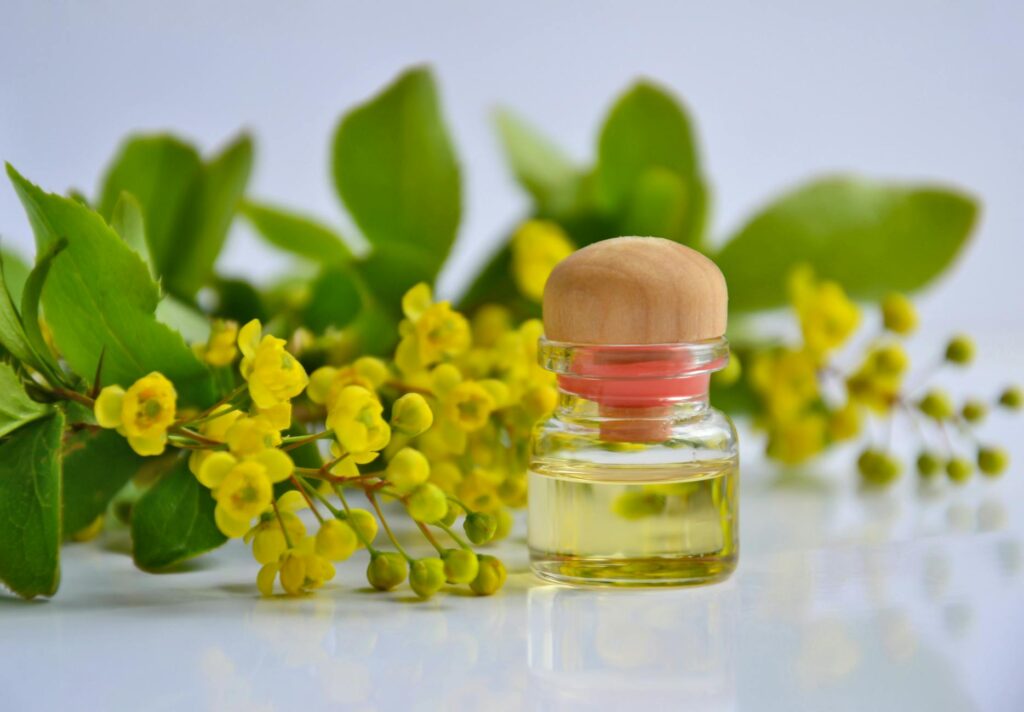
Complete Guide to Jojoba Oil Part 2
Introduction
Jojoba oil, derived from the seeds of the Simmondsia chinensis plant, has gained popularity in the realms of skincare, haircare, and aromatherapy. This liquid wax is not an oil in the traditional sense but is often referred to as such due to its oil-like properties. In this second part of our comprehensive guide, we will delve deeper into the benefits, common uses, and safety considerations associated with jojoba oil, as well as its applications in aromatherapy.
What Is Jojoba Oil?
Jojoba oil is extracted through a cold-pressing process from the seeds of the jojoba plant, which is native to the southwestern United States and northern Mexico. The oil has a composition that closely resembles the natural sebum produced by human skin, making it an excellent moisturizer. Its unique structure allows it to penetrate the skin easily without leaving a greasy residue, making it suitable for various skin types.
The oil is rich in fatty acids, vitamins, and minerals, which contribute to its numerous beneficial properties. Its high stability and long shelf life further enhance its appeal, allowing it to be used in a variety of formulations without significant degradation.
Key Benefits and Properties
Jojoba oil is celebrated for its diverse range of benefits and properties, including:
1. Moisturizing: Jojoba oil’s ability to mimic sebum makes it an effective moisturizer for both dry and oily skin. It hydrates without clogging pores and can help balance oil production.
2. Anti-inflammatory: The oil contains natural anti-inflammatory compounds that can help soothe irritated skin, making it beneficial for conditions such as eczema and psoriasis.
3. Antioxidant: Rich in vitamin E, jojoba oil offers antioxidant protection, combating free radicals that contribute to skin aging.
4. Non-comedogenic: Unlike many oils, jojoba oil is non-comedogenic, meaning it will not clog pores and is suitable for acne-prone skin.
5. Antimicrobial properties: Jojoba oil has been shown to have antimicrobial properties, which can aid in preventing the growth of bacteria on the skin.
6. Hair care: Jojoba oil can nourish and strengthen hair, promoting shine and reducing dryness and frizz. It can also help soothe the scalp and reduce dandruff.
Common Uses
Jojoba oil is versatile and can be used in various applications, including:
1. Skincare: It can be used as a daily moisturizer, facial serum, or part of an anti-aging routine. It is suitable for all skin types, including sensitive skin.
2. Haircare: Jojoba oil can be used as a leave-in conditioner, hair serum, or scalp treatment. It can help to restore moisture, reduce breakage, and enhance shine.
3. Makeup Remover: Due to its ability to dissolve makeup easily, jojoba oil can be an effective and gentle makeup remover.
4. Massage Oil: Its smooth texture makes it an excellent carrier oil for essential oils in massage applications.
5. Cuticle Oil: Jojoba oil can be applied to nourish and soften cuticles, promoting healthy nail growth.
Aromatherapy Applications
In the world of aromatherapy, jojoba oil is primarily used as a carrier oil due to its neutral scent and skin-friendly properties. It can dilute essential oils, allowing for safe application on the skin. Here are some common ways jojoba oil is used in aromatherapy:
1. Blending Essential Oils: Jojoba oil is often combined with essential oils for topical applications. Its skin-nourishing properties enhance the benefits of essential oils, making it ideal for creating custom blends.
2. Diffusion: While jojoba oil is not typically used in diffusers, it can be included in oil blends for diffusion when mixed with other essential oils to create a soothing atmosphere.
3. Bath Oils: Adding jojoba oil to a warm bath can enhance the experience by moisturizing the skin while providing a relaxing aromatherapy environment.
4. Massage: As a carrier oil, jojoba oil is frequently used in massage therapies. Its smooth consistency allows for easy application and a pleasant glide over the skin.
5. Skin Treatments: Jojoba oil can be combined with essential oils known for their skin benefits, such as tea tree or lavender oil, to create targeted treatments for various skin concerns.
Safety Considerations
While jojoba oil is generally considered safe for topical use, it is essential to keep the following safety considerations in mind:
1. Patch Test: Before applying jojoba oil or any product containing it to a larger area, it is advisable to perform a patch test on a small area of skin to check for any adverse reactions.
2. Allergic Reactions: Although rare, some individuals may be allergic to jojoba oil. If any irritation, redness, or swelling occurs, discontinue use and consult a healthcare professional.
3. Quality: When purchasing jojoba oil, look for high-quality, cold-pressed, and organic options to ensure purity and avoid additives or contaminants.
4. Pregnancy and Nursing: While jojoba oil is considered safe, it is always best to consult a healthcare professional before using any new products during pregnancy or nursing.
5. Storage: Proper storage is crucial to maintain the integrity of jojoba oil.
Storage and Shelf Life
Jojoba oil has an impressive shelf life, typically lasting for about 2 to 3 years when stored correctly. To ensure its longevity, follow these storage tips:
1. Keep Away from Light: Store jojoba oil in a dark glass bottle in a cool, dry place, away from direct sunlight to prevent oxidation.
2. Seal Tightly: Ensure that the bottle is tightly sealed after use to minimize exposure to air, which can degrade the oil over time.
3. Avoid Heat: Do not store jojoba oil near heat sources such as stoves or radiators, as excessive heat can impact its quality.
4. Refrigeration: While not necessary, refrigeration can extend the shelf life of jojoba oil, especially in warmer climates.
Frequently Asked Questions
1. Can jojoba oil be used on all skin types?
Yes, jojoba oil is suitable for all skin types, including sensitive and acne-prone skin, due to its non-comedogenic properties.
2. How do I use jojoba oil for hair care?
You can use jojoba oil as a leave-in conditioner, a scalp treatment, or mix it with other hair products to enhance moisture and shine.
3. Is jojoba oil safe for sensitive skin?
Jojoba oil is generally well tolerated by sensitive skin. However, it is advisable to perform a patch test before widespread use.
4. Can I use jojoba oil in aromatherapy?
Yes, jojoba oil is commonly used as a carrier oil in aromatherapy, allowing for the safe application of essential oils on the skin.
5. How can I incorporate jojoba oil into my skincare routine?
You can incorporate jojoba oil by using it as a moisturizer, mixing it with essential oils for targeted treatments, or adding it to your bath for a hydrating experience.
Conclusion
Jojoba oil stands out as a remarkable natural product with a wealth of benefits and applications. From skincare to haircare and aromatherapy, its versatility makes it an essential addition to personal care routines. Whether you are seeking to nourish your skin, enhance your hair, or explore its aromatic potential, jojoba oil offers a myriad of possibilities. Always remember to consider quality and safety when incorporating new products into your regimen, ensuring a beneficial experience with this exceptional oil.