
Complete Guide to Jojoba Oil Part 3
Introduction
Jojoba oil, derived from the seeds of the Simmondsia chinensis plant, has become increasingly popular in the realms of beauty, wellness, and aromatherapy. Known for its unique composition and versatile applications, jojoba oil offers a multitude of benefits that make it a staple in natural skincare and holistic practices. This article aims to provide an in-depth exploration of jojoba oil, including its properties, uses, and safety considerations.
What Is Jojoba Oil?
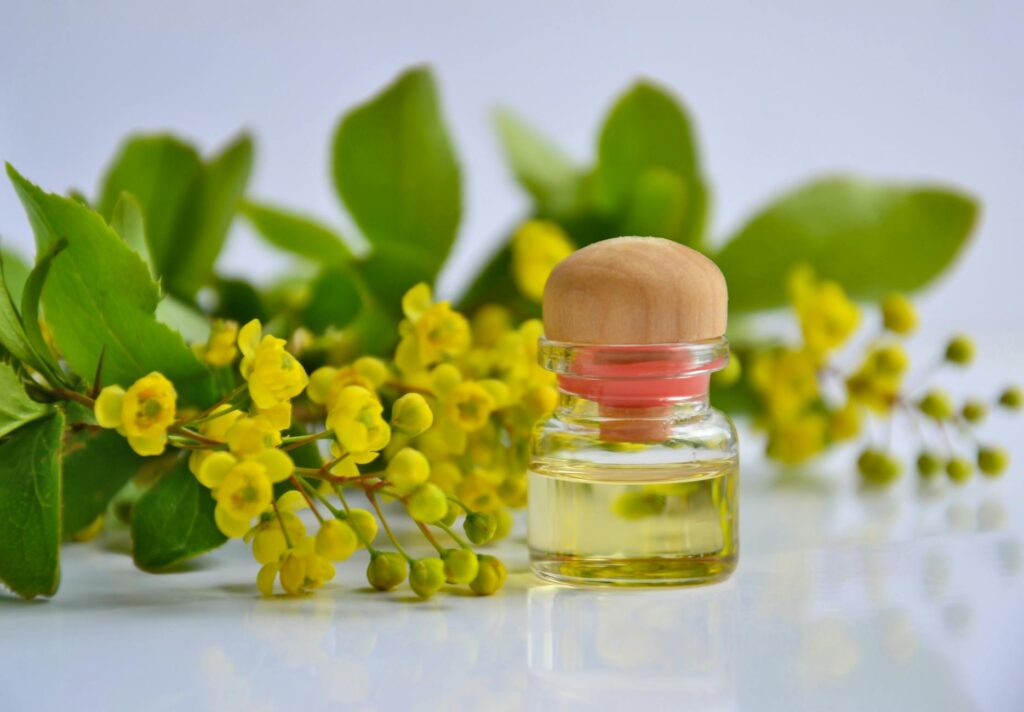
Jojoba oil is a liquid wax ester, rather than a true oil, extracted from the seeds of the jojoba plant, which is native to North America. It boasts a composition remarkably similar to human sebum, allowing it to be easily absorbed by the skin without leaving a greasy residue. The oil is often golden to yellow in color and has a light, nutty aroma.
The extraction process typically involves cold-pressing the seeds to retain their beneficial properties. Due to its stable structure, jojoba oil has a long shelf life, making it an ideal choice for various applications.
Key Benefits and Properties
1. Moisturizing
Jojoba oil is renowned for its moisturizing properties. Its unique structure allows it to mimic the skin’s natural oils, making it effective for hydration without clogging pores. This makes it suitable for all skin types, including oily and acne-prone skin.
2. Anti-inflammatory
The oil contains several compounds that exhibit anti-inflammatory properties. It can help soothe irritated skin and reduce redness, making it a popular choice for those with sensitive skin conditions.
3. Antioxidant-rich
Jojoba oil is rich in antioxidants, such as vitamin E, which help combat oxidative stress and protect the skin from environmental damage. These antioxidants can contribute to a more youthful appearance by reducing the signs of aging.
4. Non-comedogenic
Unlike many oils, jojoba is non-comedogenic. This means it does not clog pores, which is particularly beneficial for individuals with acne-prone skin. Its ability to balance oil production can help prevent breakouts.
5. Versatility
Jojoba oil can be used in various forms, including as a carrier oil for essential oils, a standalone moisturizer, or an ingredient in cosmetics and skincare products. Its versatility makes it a valuable addition to any beauty routine.
Common Uses
1. Skincare
Jojoba oil is widely used in skincare for its hydrating and nourishing properties. It can be applied directly to the skin or incorporated into creams, lotions, and serums. Its non-greasy finish makes it ideal for daily use.
2. Hair Care
Many individuals use jojoba oil to promote healthy hair. It can be applied to the scalp to alleviate dryness and flakiness, while also serving as a conditioner for the hair, enhancing shine and manageability.
3. Makeup Remover
Due to its ability to dissolve makeup without harsh chemicals, jojoba oil serves as an effective and gentle makeup remover. It can be used to cleanse the skin while also providing hydration.
4. Nail Care
Jojoba oil can be applied to nails and cuticles to promote hydration and strength. Regular use can help prevent brittleness and encourage healthy nail growth.
5. Massage Oil
As a carrier oil, jojoba oil is often blended with essential oils for use in massage therapy. Its smooth texture and skin-friendly properties make it an ideal choice for enhancing the massage experience.
Aromatherapy Applications
Jojoba oil plays a significant role in aromatherapy, particularly as a carrier oil. Its neutral scent and skin compatibility make it an excellent medium for diluting essential oils. When mixed with essential oils, jojoba oil can help deliver the aromatic benefits while preserving the integrity of the essential oils.
1. Blending Essential Oils
When creating custom blends, jojoba oil can be combined with a variety of essential oils to enhance their therapeutic properties. Common essential oils paired with jojoba include lavender, tea tree, and eucalyptus. This combination allows for personalized aromatic experiences, whether for relaxation, rejuvenation, or skin care.
2. Skin Application
In aromatherapy, jojoba oil can be used to carry essential oils for topical application. This method allows for localized treatment while benefiting from the soothing qualities of both the essential oil and jojoba itself.
3. Diffusion
Although jojoba oil is not typically used in diffusers, it can be blended with essential oils for a gentle, skin-friendly alternative when applying topically after diffusion.
Safety Considerations
While jojoba oil is generally considered safe for topical use, there are a few precautions to keep in mind:
1. Allergic Reactions
Although rare, some individuals may experience allergic reactions to jojoba oil. It is advisable to conduct a patch test on a small skin area before widespread use.
2. Pregnancy and Nursing
While jojoba oil is generally regarded as safe, pregnant or nursing individuals should consult with a healthcare provider before incorporating it into their routines, especially in conjunction with essential oils.
3. Storage
To maintain its quality, jojoba oil should be stored in a cool, dark place away from direct sunlight. Proper storage will help preserve its beneficial properties and extend its shelf life.
Storage and Shelf Life
Jojoba oil has an impressive shelf life, often lasting up to 2 years or more when stored correctly. To ensure longevity, consider the following storage guidelines:
- Temperature: Store jojoba oil in a cool environment, ideally below 77°F (25°C).
- Light: Keep the oil in a dark glass bottle to protect it from UV exposure, which can degrade its quality.
- Air Exposure: Ensure the cap is tightly sealed when not in use to minimize air exposure, which can lead to oxidation.
Frequently Asked Questions
1. Can jojoba oil be used on all skin types?
Yes, jojoba oil is suitable for all skin types, including oily, dry, and sensitive skin. Its non-comedogenic nature makes it particularly beneficial for acne-prone skin.
2. How should jojoba oil be applied?
Jojoba oil can be applied directly to the skin or mixed with other ingredients. For facial use, a few drops can be massaged onto clean skin. It can also be blended with essential oils for enhanced benefits.
3. Is jojoba oil safe for children?
Jojoba oil is generally considered safe for children. However, it is advisable to conduct a patch test and consult with a pediatrician if there are any concerns.
4. Can jojoba oil be ingested?
Jojoba oil is not intended for internal use. It is primarily used for topical applications and should be kept out of reach of children.
5. Where can I purchase high-quality jojoba oil?
High-quality jojoba oil can be found in health stores, specialty beauty shops, and online retailers. Look for cold-pressed, organic options to ensure you are getting the best quality.
Conclusion
Jojoba oil is a versatile and beneficial addition to any natural wellness or beauty regimen. With its moisturizing, anti-inflammatory, and antioxidant properties, it offers a plethora of uses ranging from skincare to hair care and aromatherapy. By understanding its applications and safety considerations, individuals can harness the full potential of jojoba oil in their daily lives. Whether used alone or in combination with essential oils, jojoba oil serves as a valuable ally in the pursuit of natural health and beauty.