
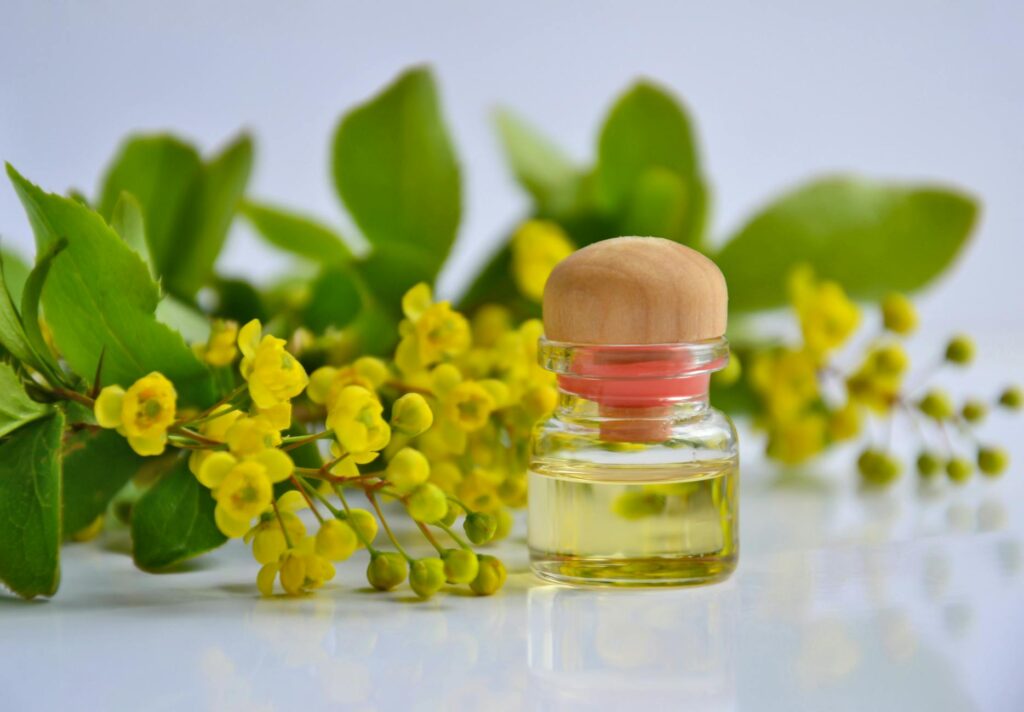
Complete Guide to Jojoba Oil Part 4
Introduction
Jojoba oil, derived from the seeds of the Simmondsia chinensis plant, is a liquid wax that has gained popularity for its remarkable versatility and beneficial properties. This guide aims to provide a comprehensive understanding of jojoba oil, exploring its origin, benefits, common applications, and safe usage practices. As a staple in both cosmetic and therapeutic sectors, jojoba oil serves as a valuable resource for individuals interested in natural products.
What Is Jojoba Oil?
Jojoba oil is not technically an oil but a liquid wax ester. The oil is extracted from the seeds of the jojoba plant, which is native to the arid regions of North America, particularly the Southwestern United States and Mexico. The extraction process typically involves cold-pressing the seeds to retain the oil’s beneficial properties.
Due to its composition, which closely resembles the natural sebum produced by human skin, jojoba oil is highly regarded in skincare and haircare formulations. It is stable, non-greasy, and easily absorbed, making it suitable for various applications.
Key Benefits and Properties
Jojoba oil is celebrated for its extensive range of benefits, which include:
1. Moisturization
Jojoba oil acts as an effective moisturizer for skin and hair. Its ability to mimic sebum allows it to hydrate without clogging pores, making it suitable for all skin types, including oily and acne-prone skin.
2. Anti-Inflammatory Properties
The oil contains compounds that possess anti-inflammatory properties, which can help soothe irritated skin and reduce redness. This makes it a popular choice for individuals with conditions like eczema and psoriasis.
3. Antioxidant Content
Rich in vitamin E and other antioxidants, jojoba oil helps combat oxidative stress caused by free radicals. This can contribute to healthier skin and may assist in slowing the signs of aging.
4. Non-Comedogenic
Jojoba oil is non-comedogenic, meaning it does not clog pores. This characteristic makes it a favorable option for those with sensitive or acne-prone skin.
5. Hair Health
In haircare, jojoba oil serves as a natural conditioner, helping to hydrate and nourish the scalp while promoting shine and reducing frizz. Its lightweight nature ensures that it does not weigh hair down.
Common Uses
Jojoba oil’s versatility lends itself to a myriad of applications, including:
1. Skincare
- Facial Moisturizer: Apply a few drops to the face after cleansing to lock in moisture.
- Makeup Remover: Use jojoba oil to gently dissolve makeup without stripping the skin.
- Acne Treatment: Its non-comedogenic properties make it suitable for those seeking to manage acne.
- Conditioner: Apply jojoba oil to the hair and scalp to hydrate and improve manageability.
- Scalp Treatment: Massage into the scalp to alleviate dryness and promote healthy hair growth.
2. Haircare
3. Massage Oil
Due to its smooth texture and skin-penetrating properties, jojoba oil is a popular choice for use in massage therapy. It can be blended with essential oils for added benefits.
4. Bath Additive
Adding jojoba oil to bath water can enhance skin hydration while providing a soothing, aromatic experience.
Aromatherapy Applications
In aromatherapy, jojoba oil serves primarily as a carrier oil for essential oils. It helps dilute potent essential oils, ensuring safe application on the skin. Some common aromatherapy uses include:
1. Dilution of Essential Oils
Before applying essential oils topically, they must be diluted in a carrier oil. Jojoba oil is an excellent choice due to its skin compatibility and nourishing properties.
2. Customized Blends
Individuals can create personalized blends for relaxation, rejuvenation, or focus by mixing jojoba oil with essential oils like lavender, tea tree, or peppermint.
3. Diffusion
While jojoba oil is not typically used in diffusers, it can be incorporated into massage oils or topical applications to enhance the benefits of aromatherapy practices.
Safety Considerations
While jojoba oil is generally considered safe for topical use, there are several safety considerations to keep in mind:
1. Patch Test
Before using jojoba oil for the first time, it is advisable to perform a patch test. Apply a small amount to a discreet area of skin and monitor for any adverse reactions over 24 hours.
2. Allergies
Although rare, some individuals may have an allergic reaction to jojoba oil. If any irritation, redness, or swelling occurs after application, discontinue use immediately.
3. Essential Oil Integration
When using jojoba oil as a carrier for essential oils, ensure that the essential oils are safe for topical use and are appropriately diluted.
4. Pregnancy and Nursing
While jojoba oil is widely regarded as safe, pregnant or nursing individuals should consult with a healthcare professional before using any new products.
Storage and Shelf Life
Proper storage of jojoba oil is essential to maintain its quality and efficacy:
1. Storage Conditions
Store jojoba oil in a cool, dark place, away from direct sunlight and heat. A dark glass container is ideal to protect the oil from light exposure.
2. Shelf Life
Jojoba oil has an impressive shelf life of up to 2 years when stored correctly. Unlike many other oils, it is resistant to rancidity due to its unique composition.
Frequently Asked Questions
1. Can jojoba oil be used on all skin types?
Yes, jojoba oil is suitable for all skin types, including oily, dry, and sensitive skin. Its non-comedogenic properties make it an excellent choice for those prone to acne.
2. How do I incorporate jojoba oil into my skincare routine?
You can use jojoba oil as a moisturizer, makeup remover, or in DIY skincare formulations. It can be applied directly to the skin or mixed with other ingredients.
3. Is jojoba oil safe for hair?
Yes, jojoba oil is safe for use on hair. It can be used as a conditioner, scalp treatment, or styling aid to enhance shine and manageability.
4. Can I use jojoba oil in my diffuser?
While jojoba oil is primarily a carrier oil, it can be blended with essential oils for topical use. It is not commonly used in diffusers, as its benefits are best realized through direct application.
5. What should I do if I experience a reaction to jojoba oil?
If you experience any irritation or allergic reaction, discontinue use immediately. It is advisable to consult with a healthcare professional for further guidance.
Conclusion
Jojoba oil stands out as a versatile and beneficial natural product with a wide array of applications in skincare, haircare, and aromatherapy. Its unique properties and compatibility with human skin make it an essential addition to any natural wellness routine. By understanding its benefits, uses, and safety considerations, individuals can effectively incorporate jojoba oil into their daily lives, experiencing its nourishing effects for both skin and hair.