
Complete Guide to Jojoba Oil Part 4
Introduction
Jojoba oil has gained significant attention in the realms of skincare, haircare, and aromatherapy. Derived from the seeds of the jojoba plant (Simmondsia chinensis), this unique liquid wax is celebrated not only for its cosmetic benefits but also for its versatility in various applications. In this fourth installment of our complete guide to jojoba oil, we will delve into its key benefits and properties, common uses, aromatherapy applications, safety considerations, and storage tips.
What Is Jojoba Oil?
Jojoba oil is a natural oil extracted from the seeds of the jojoba plant, a shrub native to the southwestern United States and Mexico. Unlike traditional vegetable oils, jojoba oil is technically a wax ester, which gives it a unique composition that closely resembles the natural sebum produced by human skin. This similarity accounts for its popular use in skincare and haircare products, where it acts as a moisturizer and emollient.
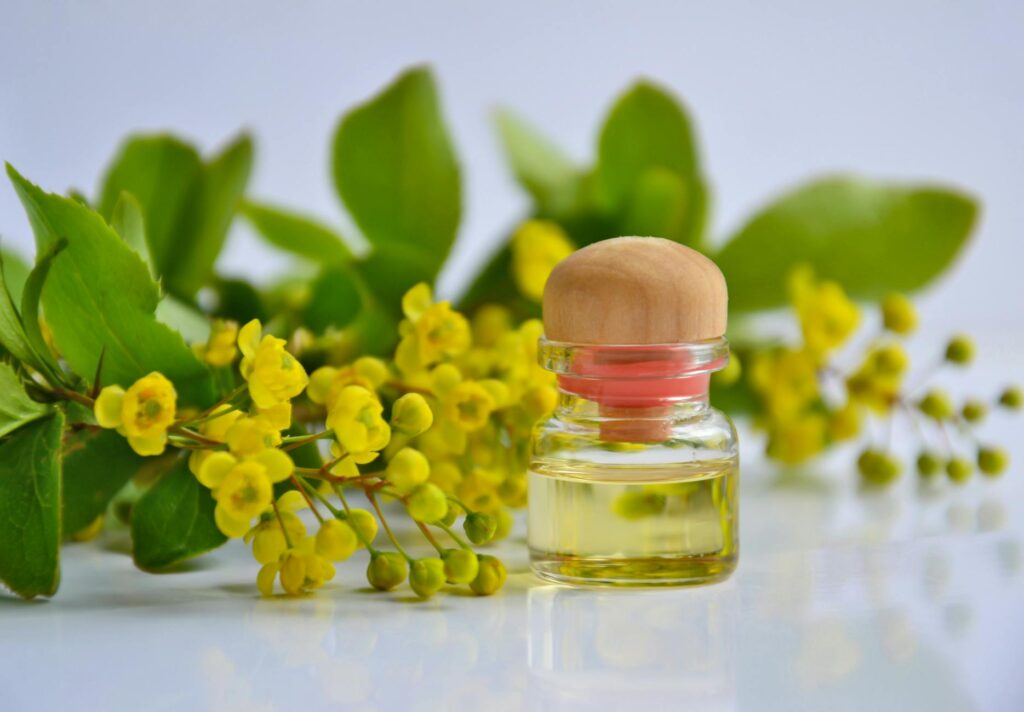
The extraction process typically involves cold-pressing the seeds to retain their beneficial properties. Jojoba oil is clear to golden in color, with a light, nutty aroma that is often described as pleasant and mild. Its non-greasy texture makes it a favored choice for both cosmetic formulations and direct application.
Key Benefits and Properties
Jojoba oil is rich in various beneficial compounds, which contribute to its extensive range of properties. Here are some of the key benefits:
Moisturizing
Due to its emollient properties, jojoba oil effectively hydrates and locks moisture into the skin, making it suitable for all skin types, including oily and sensitive skin.
Non-comedogenic
Unlike many oils, jojoba oil does not clog pores, making it an excellent choice for those prone to acne or blemishes.
Anti-inflammatory
Jojoba oil contains compounds that may help reduce redness and irritation, making it useful for soothing conditions such as eczema or psoriasis.
Antioxidant-rich
The oil is packed with antioxidants, including vitamin E and B-complex vitamins, which help protect the skin from environmental damage and oxidative stress.
Balancing
Jojoba oil can help regulate sebum production, making it beneficial for both oily and dry skin types. Its ability to mimic natural sebum allows the skin to find a balance.
Common Uses
The versatility of jojoba oil allows it to be used in various applications, including:
Skincare
- Moisturizer: Applied directly to the skin or mixed with other ingredients, jojoba oil provides deep hydration.
- Makeup Remover: Its gentle nature makes it effective in dissolving makeup without harsh chemicals.
- Anti-aging: Regular use can help minimize fine lines and wrinkles due to its moisturizing and antioxidant properties.
- Conditioner: Jojoba oil can be used as a deep conditioning treatment to nourish and hydrate hair.
- Scalp Treatment: It helps alleviate dryness and flakiness on the scalp, promoting a healthier environment for hair growth.
- Frizz Control: A small amount can be applied to tame frizz and add shine.
Haircare
Massage Oil
Jojoba oil serves as an excellent carrier oil for essential oils, enhancing the benefits of massage while providing hydration to the skin.
Lip Care
It can be used in lip balms and treatments, providing moisture and preventing chapping.
Aromatherapy Applications
While jojoba oil is primarily known for its skincare benefits, it also plays a role in aromatherapy. As a carrier oil, it is commonly blended with essential oils to create personalized aromatherapy blends. Here are some ways to use jojoba oil in aromatherapy:
Diluting Essential Oils
Jojoba oil is an ideal carrier for essential oils, allowing for safe application on the skin. Typical dilution ratios involve mixing 1-2 drops of essential oil with a teaspoon of jojoba oil.
Creating Custom Blends
Jojoba oil can be combined with various essential oils to create blends tailored for relaxation, energy, or mood enhancement. Popular essential oils to mix with jojoba oil include lavender, tea tree, eucalyptus, and peppermint.
Massage Blends
For those practicing aromatherapy massage, jojoba oil can be blended with essential oils to enhance the experience, providing both therapeutic and skin benefits.
Safety Considerations
While jojoba oil is generally considered safe for most individuals, there are some important safety considerations to keep in mind:
Allergies
Jojoba oil is hypoallergenic and suitable for sensitive skin, but it’s always prudent to conduct a patch test before widespread application, especially for those with known allergies.
Pregnancy and Nursing
While jojoba oil is typically regarded as safe during pregnancy and nursing, it’s advisable to consult a healthcare professional for personalized guidance.
Storage Precautions
To maintain the quality of jojoba oil, it should be stored in a cool, dark place away from direct sunlight. Ensure the container is tightly sealed to prevent oxidation.
Storage and Shelf Life
Proper storage is crucial to extend the shelf life of jojoba oil. Here are some tips:
Ideal Conditions
Store jojoba oil in a cool, dark location, such as a cupboard or refrigerator. Exposure to light and heat can degrade its quality.
Container Type
Use dark glass containers to protect the oil from UV light. Plastic containers may also be used but are less ideal for long-term storage.
Shelf Life
When stored properly, jojoba oil can have a shelf life of 2 to 3 years. Always check for changes in color, aroma, or consistency before use. If the oil develops an off-smell or unusual texture, it’s best to discard it.
Frequently Asked Questions
Can jojoba oil clog pores?
No, jojoba oil is considered non-comedogenic, meaning it does not clog pores and can be beneficial for acne-prone skin.
Is jojoba oil suitable for all skin types?
Yes, due to its balancing properties, jojoba oil is suitable for all skin types, including oily, dry, sensitive, and combination skin.
How do I use jojoba oil for hair?
Apply a few drops to the palms of your hands and rub them together. Then, distribute evenly through the hair, focusing on the ends. It can also be used as a pre-wash treatment.
Can I use jojoba oil on my face?
Yes, jojoba oil is safe for facial use and can help hydrate, soothe, and balance the skin.
What essential oils blend well with jojoba oil?
Many essential oils blend well with jojoba oil, including lavender, tea tree, frankincense, and rosemary. Always dilute essential oils before applying them to the skin.
Conclusion
Jojoba oil is a versatile and beneficial oil that offers a plethora of advantages for both skincare and aromatherapy. Its unique properties make it suitable for a wide range of applications, from moisturizing to haircare and therapeutic blends. With proper storage and safety considerations in mind, jojoba oil can be a valuable addition to your natural wellness routine. Whether you’re looking to enhance your skincare regimen or explore the world of aromatherapy, jojoba oil stands out as a reliable choice rooted in nature.