
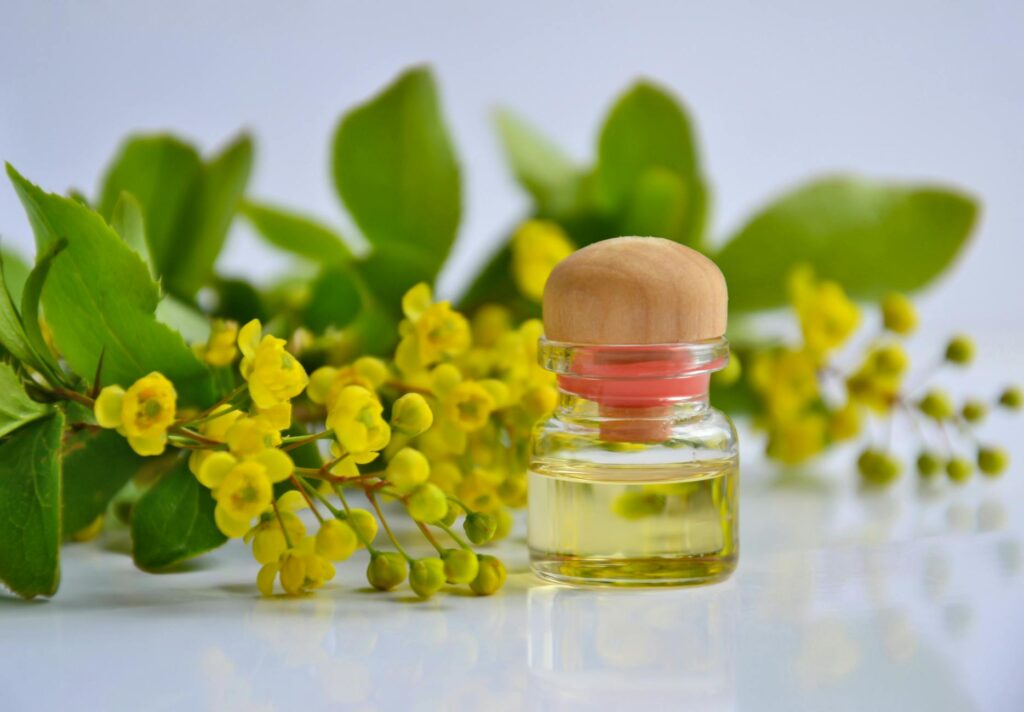
Complete Guide to Jojoba Oil Part 5
Introduction
Jojoba oil (Simmondsia chinensis) is a unique liquid wax extracted from the seeds of the jojoba plant, native to the southwestern regions of the United States and northern Mexico. Known for its remarkable compatibility with human skin, jojoba oil has gained popularity in various industries, especially in cosmetics and aromatherapy. This guide delves into the properties, benefits, and applications of jojoba oil, offering a comprehensive understanding of its role in holistic practices.
What Is Jojoba Oil?
Jojoba oil is not technically an oil but a wax ester, which closely resembles the natural sebum produced by human skin. This unique composition allows it to penetrate the skin easily, providing hydration without clogging pores. The oil is extracted through a cold-pressing process, ensuring that the vital nutrients and properties of the jojoba seeds are preserved.
Due to its stability and resistance to oxidation, jojoba oil is versatile and can be used in various formulations, from skincare products to hair treatments. Its light texture and absence of a greasy feel make it a favored choice among consumers seeking natural alternatives for personal care.
Key Benefits and Properties
Jojoba oil boasts a variety of benefits and properties that make it suitable for numerous applications:
1. Moisturizing: Jojoba oil is an excellent moisturizer, helping to hydrate the skin and maintain its natural barrier. Its ability to mimic human sebum allows for deep penetration without leaving a heavy residue.
2. Anti-inflammatory: The oil possesses anti-inflammatory properties that can help soothe irritated skin, making it beneficial for conditions such as eczema and psoriasis.
3. Antioxidant-rich: Jojoba oil contains antioxidants, including vitamin E, which protect the skin from oxidative stress and environmental damage.
4. Non-comedogenic: Unlike many other oils, jojoba oil does not clog pores, making it suitable for all skin types, including oily and acne-prone skin.
5. Regulates sebum production: By mimicking natural sebum, jojoba oil can help balance oil production in the skin, potentially reducing excess shine and breakouts.
6. Hair nourishment: Jojoba oil can also benefit hair by providing moisture, reducing frizz, and promoting overall hair health.
Common Uses
Jojoba oil is versatile and can be used in several ways, including:
1. Skincare
- Moisturizer: Apply directly to the skin or mix with other creams and lotions to enhance hydration.
- Makeup Remover: Its ability to dissolve makeup makes it an effective and gentle makeup remover.
- Facial Oil: Used alone or blended with essential oils, jojoba oil can enhance the skin’s appearance and texture.
- Conditioner: Jojoba oil can be massaged into the scalp or applied to the ends of hair to reduce dryness and promote shine.
- Scalp Treatment: It may help alleviate dryness and flakiness on the scalp.
- Lavender: Known for its calming effects, lavender essential oil combined with jojoba oil can be used in massage or skincare applications to promote relaxation.
- Tea Tree: This blend can be beneficial for those with acne-prone skin, as both oils possess anti-inflammatory properties.
- Frankincense: Often used for its grounding properties, this combination can enhance skin health and emotional well-being.
- Keep it in a dark glass bottle: This protects it from light exposure, which can degrade the oil.
- Store in a cool, dry place: Avoid heat sources and humidity, which can accelerate oxidation.
- Avoid contamination: Always use clean utensils to prevent introducing bacteria into the oil.
2. Hair Care
3. Massage Oil
Due to its smooth texture and ease of application, jojoba oil is often used as a carrier oil in massage therapy, providing a slippery surface that allows for easy gliding over the skin.
4. Lip Care
Jojoba oil can be incorporated into lip balms or applied directly to the lips to provide hydration and protection against chapping.
Aromatherapy Applications
In aromatherapy, jojoba oil serves primarily as a carrier oil, which is crucial for diluting essential oils before topical application. Its neutral scent and skin-friendly properties make it an excellent choice for blending with various essential oils.
Blending with Essential Oils
When used in aromatherapy, jojoba oil can be combined with a range of essential oils to create personalized blends. Here are some common pairings:
Diffusion
While jojoba oil is not typically used in diffusers, it can be incorporated into personal inhalers or used in massage blends aimed at enhancing the aromatherapy experience.
Safety Considerations
While jojoba oil is generally considered safe for topical use, there are a few precautions to keep in mind:
1. Patch Test: Before applying jojoba oil extensively, conduct a patch test on a small area of skin to check for any allergic reactions or sensitivities.
2. Quality: Always choose high-quality, cold-pressed jojoba oil to ensure that you are using a product that retains its beneficial properties.
3. Pregnancy and Nursing: While jojoba oil is typically safe, it is advisable to consult with a healthcare professional before using any new product during pregnancy or while nursing.
4. Storage: Store jojoba oil in a cool, dark place to maintain its quality and extend its shelf life.
Storage and Shelf Life
Jojoba oil has an impressive shelf life compared to many other oils, primarily due to its unique composition. When stored properly, it can last for up to five years. To maximize its longevity:
Frequently Asked Questions
1. Can jojoba oil be used on all skin types?
Yes, jojoba oil is suitable for all skin types, including oily, dry, and sensitive skin. Its non-comedogenic properties make it particularly beneficial for acne-prone skin.
2. Is jojoba oil safe for babies?
Jojoba oil is generally considered safe for babies, but it is advisable to consult a pediatrician before using any new product on infants.
3. Can jojoba oil help with acne?
Jojoba oil can help regulate sebum production and may reduce the occurrence of acne. Its anti-inflammatory properties can also soothe existing breakouts.
4. How should jojoba oil be applied?
Jojoba oil can be applied directly to the skin or mixed with other products. For hair care, it can be massaged into the scalp or used as a leave-in conditioner.
5. Can jojoba oil go rancid?
Jojoba oil is resistant to rancidity due to its composition, but improper storage can still affect its quality. Always store it in a cool, dark place.
Conclusion
Jojoba oil’s unique properties and versatile applications make it a valuable addition to personal care routines and aromatherapy practices. By understanding its benefits, uses, and safety considerations, individuals can effectively incorporate this natural oil into their daily lives. Whether used for skincare, hair care, or as a carrier oil in aromatherapy, jojoba oil remains a popular choice for those seeking effective and natural solutions.