
Complete Guide to Jojoba Oil Part 6
Introduction
Jojoba oil has become a staple in the world of natural health and beauty, revered for its versatile applications and unique properties. Originating from the seeds of the jojoba plant (Simmondsia chinensis), this oil closely resembles human sebum, making it particularly valuable in skincare and haircare formulations. This guide aims to provide an in-depth exploration of jojoba oil, including its benefits, common uses, and safety considerations.
What Is Jojoba Oil?
Jojoba oil is a liquid wax extracted from the seeds of the jojoba plant, which is native to the arid regions of North America, particularly southwestern United States and northern Mexico. Unlike traditional vegetable oils, jojoba oil is not a triglyceride; instead, it consists primarily of long-chain fatty acids and fatty alcohols. This unique composition gives jojoba oil its remarkable stability and makes it resistant to rancidity.
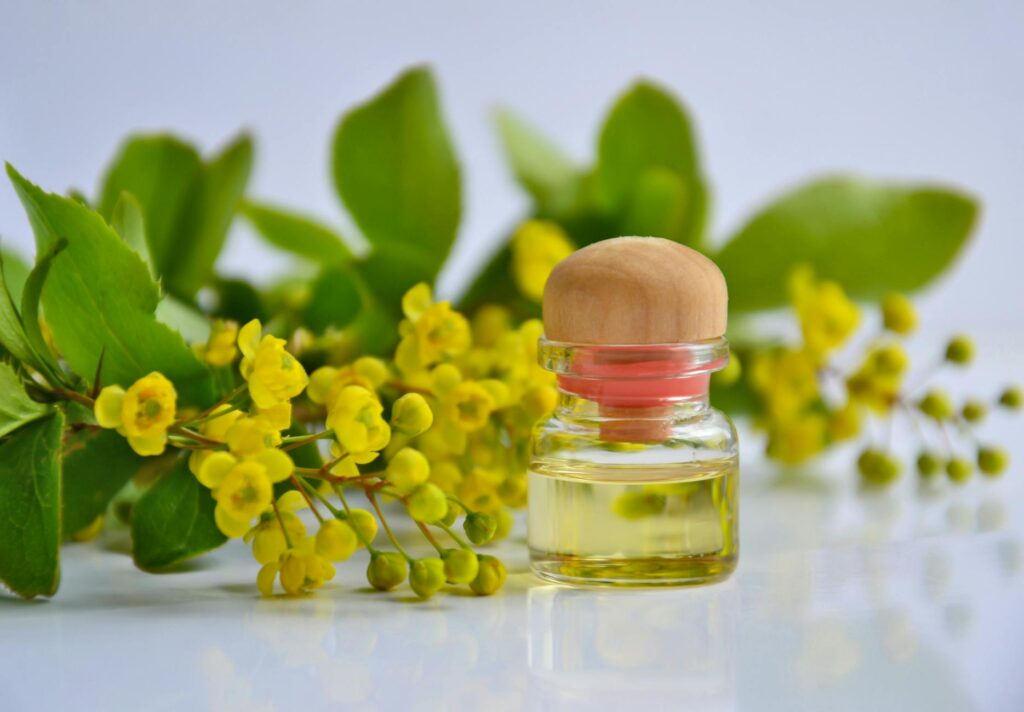
The oil is typically golden yellow in color, with a faint nutty aroma. Its texture is smooth and non-greasy, allowing it to be absorbed easily by the skin without leaving a heavy residue. Jojoba oil is often found in various personal care products, including lotions, shampoos, and lip balms.
Key Benefits and Properties
Jojoba oil is celebrated for several key benefits:
Moisturizing
One of the most prominent features of jojoba oil is its ability to hydrate the skin. It acts as an emollient, helping to seal moisture into the skin while preventing dryness. Its composition mimics that of sebum, allowing it to penetrate deeply and maintain skin elasticity.
Non-Comedogenic
Jojoba oil is non-comedogenic, meaning it does not clog pores. This property makes it suitable for all skin types, including oily and acne-prone skin. Regular use can help balance oil production without exacerbating existing skin conditions.
Anti-Inflammatory
The oil possesses anti-inflammatory properties, making it beneficial for soothing irritated skin. It can help alleviate conditions such as eczema and psoriasis, reducing redness and discomfort.
Antioxidant-Rich
Jojoba oil contains tocopherols (Vitamin E), which are potent antioxidants. These compounds help protect the skin from environmental stressors, such as UV radiation and pollution, promoting a more youthful appearance.
Hair Care
In addition to its skincare benefits, jojoba oil is effective for hair care. It can nourish and hydrate the scalp, reducing dandruff and promoting healthier hair growth. Its lightweight texture ensures that it does not weigh hair down, making it suitable for all hair types.
Common Uses
Jojoba oil has a wide array of applications, making it a versatile addition to personal care routines. Below are some common uses:
Skincare
1. Moisturizer: Used alone or mixed with other ingredients, jojoba oil can serve as an excellent moisturizer for the face and body.
2. Makeup Remover: Its ability to dissolve makeup without harsh chemicals makes jojoba oil a popular choice for gentle makeup removal.
3. Face Oil: Often included in facial oil blends, jojoba oil can help enhance skin hydration.
4. Cuticle Oil: Its moisturizing properties make it ideal for softening cuticles and promoting nail health.
Haircare
1. Scalp Treatment: Massaging jojoba oil into the scalp can promote blood circulation and nourish hair follicles.
2. Hair Conditioner: Used as a leave-in conditioner, it can help tame frizz and enhance shine.
3. Hot Oil Treatment: Warmed jojoba oil can be applied to hair for deep conditioning, leaving it soft and manageable.
Massage and Body Care
1. Carrier Oil: Jojoba oil is commonly used as a carrier oil for essential oils in massage therapy.
2. Body Lotion: Its emollient properties make it suitable for use in homemade body lotions and creams.
Aromatherapy Applications
While jojoba oil is not typically used for its aromatic properties, it plays a crucial role in aromatherapy as a carrier oil. Essential oils can be potent and require dilution before topical application. Jojoba oil’s non-greasy texture and skin compatibility make it an ideal choice for blending with essential oils.
Blending with Essential Oils
When using jojoba oil in aromatherapy, consider the following guidelines:
- Dilution Ratio: A common dilution ratio is 2-3 drops of essential oil per teaspoon of jojoba oil for topical applications.
- Skin Sensitivity: Always conduct a patch test before applying a new essential oil blend to ensure there are no adverse reactions.
- Personal Preference: Experiment with different essential oils to find blends that resonate with your individual preferences and needs.
- Cool, Dark Place: Store jojoba oil in a cool, dark area, away from direct sunlight and heat sources, to prevent oxidation.
- Sealed Container: Ensure that the bottle is tightly sealed to minimize exposure to air, which can degrade the oil.
Safety Considerations
While jojoba oil is generally regarded as safe for topical use, there are several important considerations to keep in mind:
Allergies
Although rare, some individuals may be allergic to jojoba oil. It is advisable to conduct a patch test prior to widespread use. Apply a small amount to a discreet area of skin and observe for any adverse reactions over 24 hours.
Pregnancy and Nursing
Though jojoba oil is considered safe for use during pregnancy and while nursing, it is always prudent to consult with a healthcare professional prior to incorporating any new products into your regimen.
Skin Conditions
Individuals with specific skin conditions should exercise caution and consult a qualified professional before using jojoba oil or any new products on affected areas.
Storage and Shelf Life
To maintain the quality of jojoba oil, proper storage is crucial:
Storage Conditions
Shelf Life
Jojoba oil has a long shelf life, typically ranging from 12 to 24 months when stored properly. Always check for any changes in smell, color, or texture before use, as these can indicate spoilage.
Frequently Asked Questions
1. Is jojoba oil suitable for all skin types?
Yes, jojoba oil is suitable for all skin types, including oily, dry, and sensitive skin. Its non-comedogenic nature makes it an excellent choice for acne-prone skin.
2. Can I use jojoba oil on my hair?
Absolutely! Jojoba oil can be used as a hair conditioner, scalp treatment, or styling aid. Its lightweight texture makes it suitable for all hair types.
3. How do I incorporate jojoba oil into my skincare routine?
You can use jojoba oil as a standalone moisturizer, as a makeup remover, or blend it with essential oils for added benefits.
4. Is jojoba oil safe for children?
While jojoba oil is generally considered safe for children, it is advisable to consult with a healthcare professional before introducing any new products into a child’s skincare routine.
5. Can jojoba oil be used in cooking?
Jojoba oil is not recommended for cooking or consumption, as it is primarily used for topical applications and personal care.
Conclusion
Jojoba oil stands out as a remarkable natural product with a plethora of benefits. Whether used for skincare, haircare, or in aromatherapy, its unique properties make it a valuable addition to any personal care regimen. By understanding its benefits, uses, and safety considerations, individuals can make informed choices about incorporating jojoba oil into their daily routines.