
Complete Guide to Jojoba Oil Part 7
Introduction
Jojoba oil has gained significant attention in the realms of natural skincare, aromatherapy, and holistic health. Extracted from the seeds of the jojoba plant (Simmondsia chinensis), this oil is unique due to its resemblance to human sebum, making it versatile and beneficial for various applications. This guide aims to provide a comprehensive overview of jojoba oil, exploring its properties, uses, and safety considerations.
What Is Jojoba Oil?
Jojoba oil is technically a liquid plant wax rather than a true oil. It is derived from the seeds of the jojoba plant, which is native to the arid regions of North America, primarily found in the southwestern United States and northern Mexico. The extraction process typically involves cold pressing the seeds, which helps preserve the oil’s natural properties.
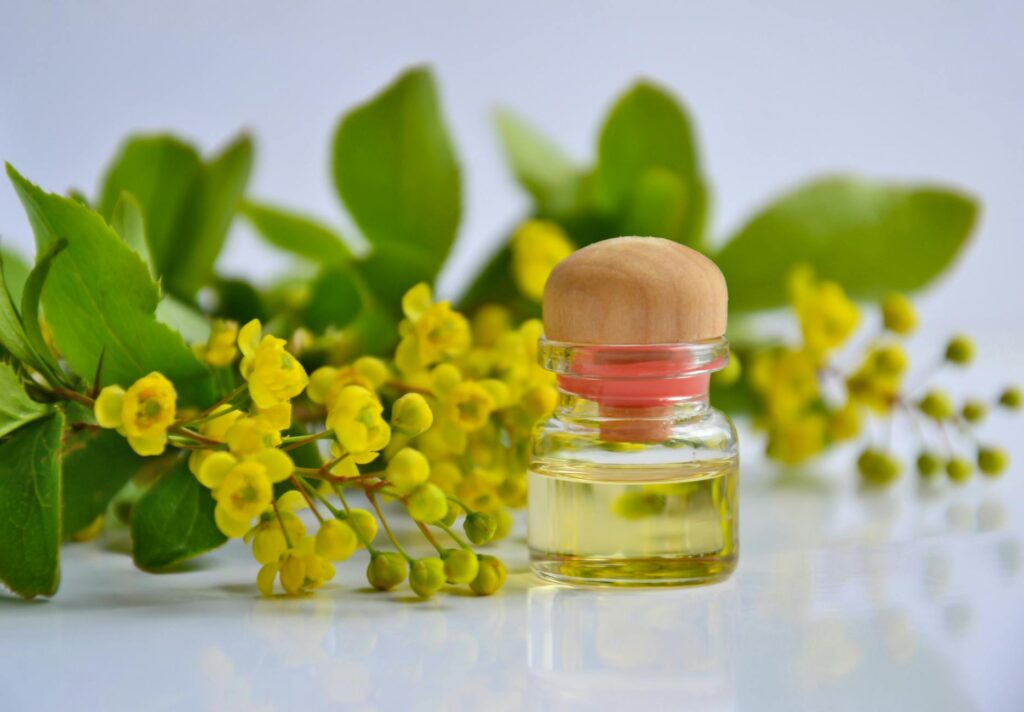
Jojoba oil is characterized by its light texture, golden hue, and mild nutty aroma. Its composition includes long-chain fatty acids, wax esters, and a variety of beneficial compounds such as tocopherols (Vitamin E) and phytosterols. These characteristics make jojoba oil highly stable and resistant to oxidation, allowing it to maintain its integrity over time.
Key Benefits and Properties
Jojoba oil offers numerous benefits and properties that make it a sought-after ingredient in beauty and wellness products:
1. Moisturizing: Jojoba oil mimics the natural oils produced by the skin, making it an excellent moisturizer. It penetrates the skin without leaving a greasy residue, providing hydration and preventing moisture loss.
2. Non-comedogenic: Unlike many other oils, jojoba oil does not clog pores, making it suitable for all skin types, including oily and acne-prone skin.
3. Anti-inflammatory: The oil contains compounds that can soothe irritated skin and reduce redness, making it beneficial for conditions like eczema and psoriasis.
4. Antioxidant-rich: The presence of Vitamin E and other antioxidants helps protect the skin from environmental damage and premature aging.
5. Balancing: Jojoba oil helps regulate oil production in the skin, making it beneficial for both dry and oily skin types.
6. Hair care: It nourishes the hair and scalp, promoting healthy hair growth and preventing dryness and frizz.
Common Uses
Jojoba oil is incredibly versatile and can be used in a variety of applications, including:
1. Skincare
- Facial Moisturizer: As a standalone moisturizer or mixed with other ingredients, jojoba oil hydrates and nourishes the skin.
- Makeup Remover: Its lightweight texture makes it effective at dissolving makeup without harsh chemicals.
- Lip Care: It can be applied directly to the lips to provide hydration and prevent chapping.
- Conditioner: Jojoba oil can be used as a leave-in conditioner to hydrate and detangle hair.
- Scalp Treatment: Massaging jojoba oil into the scalp can help alleviate dryness and flakiness.
- Blending Essential Oils: Jojoba oil can be combined with essential oils like lavender, tea tree, or eucalyptus to create custom blends for relaxation, skin care, or respiratory support.
- Massage Blends: It can be mixed with essential oils for therapeutic massage, enhancing relaxation and alleviating tension.
- Patch Test: It’s advisable to perform a patch test before applying jojoba oil to a larger area of the skin, especially for those with sensitive skin.
- Allergies: Although rare, some individuals may have an allergic reaction to jojoba oil. Discontinue use if irritation occurs.
- Pregnancy and Nursing: Consult a healthcare provider before using jojoba oil during pregnancy or while nursing, particularly in therapeutic applications.
- Container: Store jojoba oil in a dark glass bottle to protect it from light. If purchased in a plastic container, transfer it to a glass bottle for longevity.
- Temperature: Keep it in a cool, dark place, away from heat sources. Avoid storing in areas with high humidity, such as bathrooms.
- Shelf Life: When stored correctly, jojoba oil has a long shelf life, typically lasting 1-2 years. However, always check for any changes in smell or appearance before use.
2. Hair Care
3. Massage Oil
Due to its smooth texture and moisturizing properties, jojoba oil is commonly used as a carrier oil in massages, enhancing the overall experience without overwhelming the senses.
4. DIY Products
Jojoba oil is an excellent base for homemade beauty products, including lotions, scrubs, and hair serums.
Aromatherapy Applications
In aromatherapy, jojoba oil serves primarily as a carrier oil. Its subtle scent and skin compatibility make it ideal for diluting essential oils, allowing for safe topical application. Some applications include:
Safety Considerations
While jojoba oil is generally considered safe for most individuals, certain precautions should be taken:
Storage and Shelf Life
To maintain the quality and efficacy of jojoba oil, proper storage is essential:
Frequently Asked Questions
1. Can jojoba oil be used on all skin types?
Yes, jojoba oil is suitable for all skin types, including oily and sensitive skin. Its non-comedogenic nature makes it particularly beneficial for acne-prone skin.
2. Is jojoba oil safe for children?
Generally, jojoba oil is safe for children when used topically. However, it is recommended to conduct a patch test and consult with a pediatrician for specific concerns.
3. Can jojoba oil be ingested?
While jojoba oil is commonly used in cosmetics and skin care, it is not recommended for ingestion. Always seek guidance from a qualified professional for dietary uses.
4. How does jojoba oil compare to other oils?
Jojoba oil is unique due to its composition, closely resembling human sebum. Unlike many other oils, it is non-greasy, stable, and has a longer shelf life, making it a preferred choice for many applications.
5. Can jojoba oil be used as a carrier oil?
Yes, jojoba oil is an excellent carrier oil for essential oils due to its light texture and skin compatibility. It helps dilute essential oils for safe topical application.
Conclusion
Jojoba oil is a remarkable natural resource, offering a myriad of benefits and applications in skincare, hair care, and aromatherapy. Its unique properties make it a valuable addition to both personal care routines and holistic practices. By understanding its benefits, uses, and safety considerations, individuals can harness the power of jojoba oil to enhance their well-being naturally.