
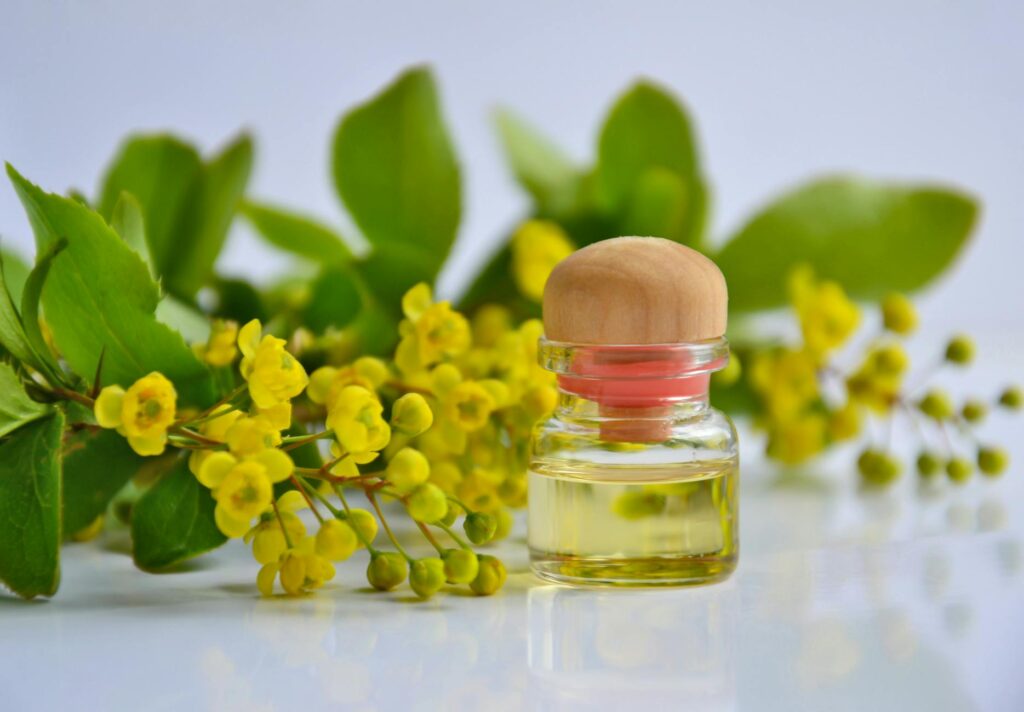
Complete Guide to Jojoba Oil Part 7
Introduction
Jojoba oil, derived from the seeds of the Jojoba plant (Simmondsia chinensis), has garnered significant attention in the natural beauty and wellness industries. Its unique composition and versatile properties make it a highly sought-after ingredient in various applications, from skincare to aromatherapy. This guide aims to provide a comprehensive overview of jojoba oil, including its benefits, uses, and safety considerations.
What Is Jojoba Oil?
Jojoba oil is a liquid wax ester, primarily composed of long-chain fatty acids and alcohols. Unlike many traditional oils, which are triglycerides, jojoba oil’s structure closely resembles that of human sebum, the natural oil produced by our skin. This resemblance allows jojoba oil to be easily absorbed, making it a popular choice for topical applications. The oil is obtained through a cold-pressing process, ensuring that its beneficial properties are retained.
The Jojoba plant is native to the arid regions of North America, particularly the southwestern United States and northern Mexico. Known for its resilience to drought, the plant thrives in harsh environments, making it a sustainable crop. The seeds contain approximately 50% oil, which is extracted and refined for various uses.
Key Benefits and Properties
Jojoba oil offers a range of benefits and properties that make it particularly valuable in cosmetic and therapeutic applications:
1. Moisturizing Properties
Jojoba oil is an effective moisturizer, thanks to its emollient qualities. It helps to hydrate the skin and hair, preventing moisture loss without clogging pores.
2. Balancing Skin Oil Production
Due to its similarity to human sebum, jojoba oil can help regulate oil production in the skin. It can provide moisture to dry areas while minimizing oiliness in oily regions, making it suitable for all skin types.
3. Antioxidant Properties
Jojoba oil contains vitamin E and other antioxidants, which can help protect the skin from free radical damage and environmental stressors.
4. Anti-Inflammatory Effects
The oil has been noted for its potential anti-inflammatory properties, making it beneficial for soothing irritated skin and reducing redness.
5. Non-Comedogenic
Jojoba oil is non-comedogenic, meaning it does not clog pores. This quality is especially important for individuals prone to acne or breakouts.
Common Uses
Jojoba oil’s versatility allows it to be used in a variety of applications, including:
1. Skincare
Due to its hydrating properties, jojoba oil is widely used in lotions, creams, and serums. It can be applied directly to the skin or blended with other ingredients for enhanced benefits.
2. Hair Care
Jojoba oil is often included in shampoos, conditioners, and hair treatments. It can help to hydrate the scalp, reduce dandruff, and improve the overall appearance of hair.
3. Makeup Remover
The oil effectively dissolves makeup without the need for harsh chemicals, making it a popular choice for natural makeup removal.
4. Massage Oil
Jojoba oil is often used as a carrier oil in massage blends. Its smooth texture and skin-friendly properties enhance the massage experience.
5. Lip Care
Jojoba oil can be found in lip balms and treatments due to its moisturizing properties, helping to soothe dry and chapped lips.
Aromatherapy Applications
In the realm of aromatherapy, jojoba oil serves primarily as a carrier oil. Carrier oils dilute essential oils, allowing for safe topical application while also enhancing the overall experience. Here are some key applications:
1. Dilution of Essential Oils
Jojoba oil is commonly used to dilute essential oils for topical application. Its non-greasy texture and skin compatibility make it an ideal choice. Typical dilution ratios range from 1% to 5%, depending on the essential oil being used and the intended purpose.
2. Blending with Essential Oils
The oil can be blended with various essential oils, such as lavender, tea tree, or eucalyptus, for added benefits. These blends can be used in massage, skincare, or for creating a soothing atmosphere.
3. Aromatherapy Diffusion
While jojoba oil is not typically used in diffusers, it can be a part of a personal inhaler blend when mixed with essential oils. This allows individuals to enjoy the aromatic benefits of essential oils while benefiting from jojoba’s moisturizing properties on the skin.
Safety Considerations
While jojoba oil is generally considered safe for topical use, there are a few considerations to keep in mind:
1. Patch Test
It is advisable to perform a patch test before using jojoba oil, especially for individuals with sensitive skin. Apply a small amount to an inconspicuous area and monitor for any adverse reactions.
2. Allergies
Though rare, some individuals may have an allergy to jojoba oil. If you experience symptoms such as itching, redness, or swelling, discontinue use immediately and consult a healthcare professional.
3. Pregnancy and Nursing
Although jojoba oil is regarded as safe, it is always recommended to consult with a healthcare provider before using any new product during pregnancy or while nursing.
4. Not for Ingestion
Jojoba oil is intended for external use only and should not be ingested. It is important to keep it out of reach of children and pets.
Storage and Shelf Life
Proper storage of jojoba oil is essential to maintain its quality and extend its shelf life:
1. Storage Conditions
Store jojoba oil in a cool, dark place away from direct sunlight. This helps to prevent oxidation and degradation of the oil.
2. Container Type
Keep jojoba oil in a dark glass container, which protects it from light exposure. Avoid plastic containers, as they can interact with the oil over time.
3. Shelf Life
When stored correctly, jojoba oil can have a shelf life of up to five years. However, always check for any changes in color, smell, or consistency before use.
Frequently Asked Questions
1. Can jojoba oil be used on all skin types?
Yes, jojoba oil is suitable for all skin types due to its balancing properties. It hydrates dry skin while helping to control oil in oily or combination skin types.
2. Is jojoba oil safe for use on the face?
Absolutely. Jojoba oil is often used in facial oils and moisturizers. Its non-comedogenic nature makes it a great choice for facial skincare.
3. How do I incorporate jojoba oil into my skincare routine?
You can use jojoba oil on its own as a moisturizer, mix it with other products, or add it to your current skincare routine as a serum or treatment.
4. Can I use jojoba oil for massage?
Yes, jojoba oil is an excellent carrier oil for massage. Its smooth texture allows for easy application and glide on the skin.
5. Where can I buy jojoba oil?
Jojoba oil is widely available at health food stores, online retailers, and specialty beauty shops. Look for high-quality, cold-pressed, organic options for the best results.
In conclusion, jojoba oil is a remarkable natural oil with a myriad of uses and benefits. Its unique composition and versatility make it an essential ingredient in various applications, from skincare to aromatherapy. By understanding its properties and how to use it effectively, individuals can harness the full potential of this valuable oil in their daily routines.