
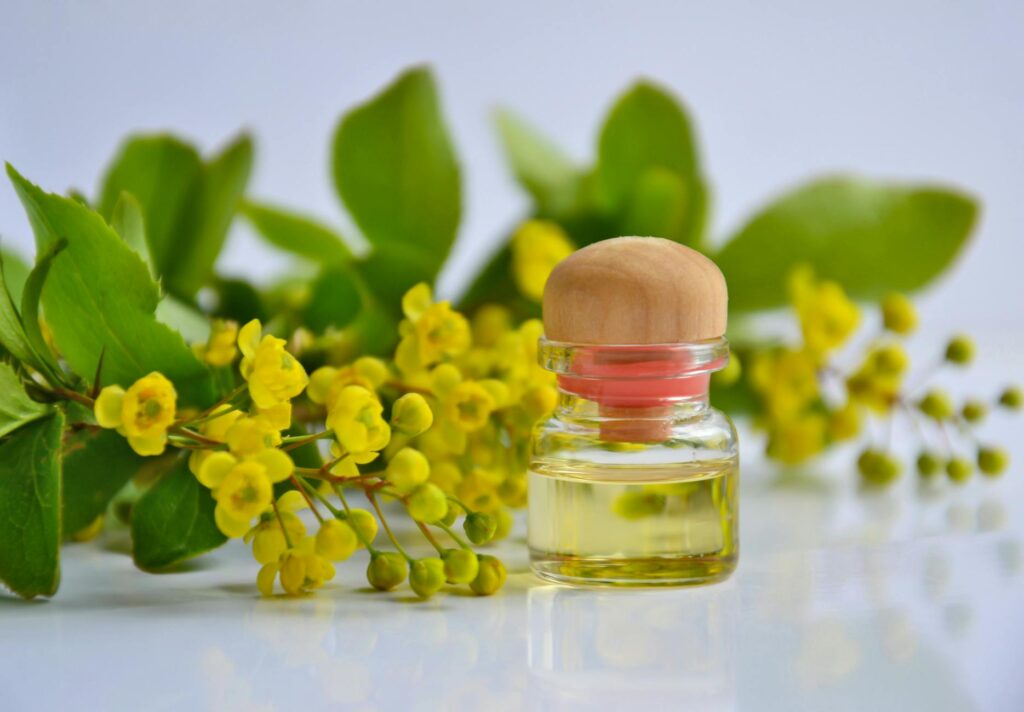
Complete Guide to Jojoba Oil Part 7
Introduction
Jojoba oil has gained significant attention in the world of natural skincare and aromatherapy due to its unique properties and versatility. Extracted from the seeds of the jojoba plant (Simmondsia chinensis), this liquid wax is often revered for its ability to mimic the natural oils of the skin, making it an essential ingredient in many cosmetic formulations. This article serves as a comprehensive guide to jojoba oil, exploring its benefits, uses, applications in aromatherapy, safety considerations, and storage tips.
What Is Jojoba Oil?
Jojoba oil is a liquid wax ester derived from the seeds of the jojoba plant, a shrub native to the arid regions of North America, particularly the southwestern United States and Mexico. The oil is unique compared to other vegetable oils, as it closely resembles the natural sebum produced by human skin. This similarity allows jojoba oil to be easily absorbed without leaving a greasy residue.
The extraction process typically involves cold-pressing the seeds to yield a golden, odorless oil that retains the plant’s beneficial properties. Jojoba oil is often refined to remove impurities, making it suitable for cosmetic applications.
Key Benefits and Properties
Jojoba oil boasts a variety of beneficial properties that contribute to its popularity in skincare and aromatherapy:
1. Moisturizing
Jojoba oil acts as a superb moisturizer due to its emollient properties. It helps to hydrate the skin by forming a protective barrier that locks in moisture, making it ideal for dry or sensitive skin types.
2. Non-Comedogenic
Unlike many oils, jojoba oil does not clog pores. Its lightweight texture ensures that it hydrates without contributing to acne or breakouts, making it a preferred choice for those with oily or acne-prone skin.
3. Rich in Nutrients
Jojoba oil is rich in vitamins E and B-complex, as well as minerals such as zinc and copper. These nutrients contribute to skin health, promoting healing and rejuvenation.
4. Anti-Inflammatory Properties
The oil has natural anti-inflammatory properties, which may help soothe irritated skin and reduce redness and swelling.
5. Antioxidant Effects
Jojoba oil contains antioxidants that help combat free radicals, potentially delaying the signs of aging and maintaining skin elasticity.
Common Uses
Due to its diverse benefits, jojoba oil is utilized in various applications:
1. Skincare Products
Jojoba oil is commonly found in moisturizers, serums, and facial oils. Its ability to mimic natural sebum makes it an excellent choice for maintaining skin balance.
2. Hair Care
In hair care products, jojoba oil helps to hydrate and nourish the scalp and hair, reducing dryness and frizz. It can also be used as a leave-in conditioner or scalp treatment.
3. Makeup Remover
The oil is effective in dissolving makeup, including waterproof formulas, without harsh chemicals. Its gentle nature makes it suitable for sensitive skin around the eyes.
4. Massage Oil
Thanks to its smooth texture, jojoba oil is often used as a base for massage oils. It glides easily over the skin and is easily absorbed.
5. Carrier Oil
In aromatherapy, jojoba oil is frequently used as a carrier oil for essential oils, facilitating their application while providing additional skin benefits.
Aromatherapy Applications
Jojoba oil plays a key role in aromatherapy due to its compatibility with essential oils and its beneficial properties. Here are some common applications:
1. Dilution of Essential Oils
When blending essential oils for topical use, jojoba oil serves as an excellent diluent. It allows for the safe application of potent essential oils, reducing the risk of skin irritation.
2. Skin Care Blends
Aromatherapists often create custom blends for skincare using jojoba oil as a base. The oil’s moisturizing properties enhance the effectiveness of essential oils, such as lavender, tea tree, or chamomile, which may offer additional skin benefits.
3. Aromatic Massage
Jojoba oil can be infused with essential oils for aromatic massage. The combination enhances relaxation and soothes the body while providing nourishment to the skin.
4. DIY Products
Jojoba oil is a popular ingredient in homemade beauty products, such as lip balms, body scrubs, and facial masks, allowing individuals to customize their skincare routines.
Safety Considerations
While jojoba oil is generally considered safe for most skin types, it is important to consider the following safety guidelines:
1. Patch Test
Before using jojoba oil or any new product containing it, performing a patch test is advisable. Apply a small amount to a discreet area of skin to check for any adverse reactions.
2. Allergic Reactions
Though rare, some individuals may experience allergic reactions to jojoba oil. Symptoms may include redness, itching, or swelling.
3. Pregnancy and Nursing
While jojoba oil is often regarded as safe, pregnant or nursing individuals should consult with a healthcare professional before use, especially in concentrated forms.
4. Interaction with Essential Oils
When blending with essential oils, it is crucial to understand the properties and potential effects of the oils used. Some essential oils may have specific precautions or contraindications.
Storage and Shelf Life
Proper storage of jojoba oil is essential to maintain its quality and effectiveness:
1. Storage Conditions
Store jojoba oil in a cool, dark place, away from direct sunlight and heat. Keeping it in a glass container with a tight seal can also help protect it from oxidation.
2. Shelf Life
Jojoba oil has a relatively long shelf life compared to other oils, typically lasting for approximately 2 to 5 years when stored correctly. However, it is advisable to check for any changes in color, odor, or texture before use, as these may indicate spoilage.
Frequently Asked Questions
1. Can jojoba oil be used on all skin types?
Yes, jojoba oil is suitable for all skin types, including oily, dry, and sensitive skin. Its non-comedogenic properties make it particularly beneficial for acne-prone skin.
2. Is jojoba oil safe for children?
Jojoba oil is generally safe for children; however, it is recommended to conduct a patch test before use. Always consult with a pediatrician for specific concerns.
3. Can I use jojoba oil on my hair?
Yes, jojoba oil can be applied to the hair and scalp for hydration and nourishment. It can be used as a leave-in conditioner or as part of a hair mask.
4. How do I incorporate jojoba oil into my skincare routine?
Jojoba oil can be used alone or mixed with other products. It can be applied as a moisturizer, added to serums, or used as a makeup remover.
5. Can I use jojoba oil with essential oils?
Yes, jojoba oil is an excellent carrier oil for diluting essential oils before topical application. It enhances the absorption of essential oils and helps to minimize irritation.
Conclusion
Jojoba oil is a versatile and beneficial ingredient in both skincare and aromatherapy. Its unique properties, including its moisturizing capabilities, non-comedogenic nature, and nutrient-rich profile, make it a staple in many beauty regimens. By understanding its uses, safety considerations, and best practices for storage, individuals can incorporate jojoba oil into their routines effectively and safely. As with any natural product, it is essential to remain informed and considerate of personal sensitivities and preferences.