
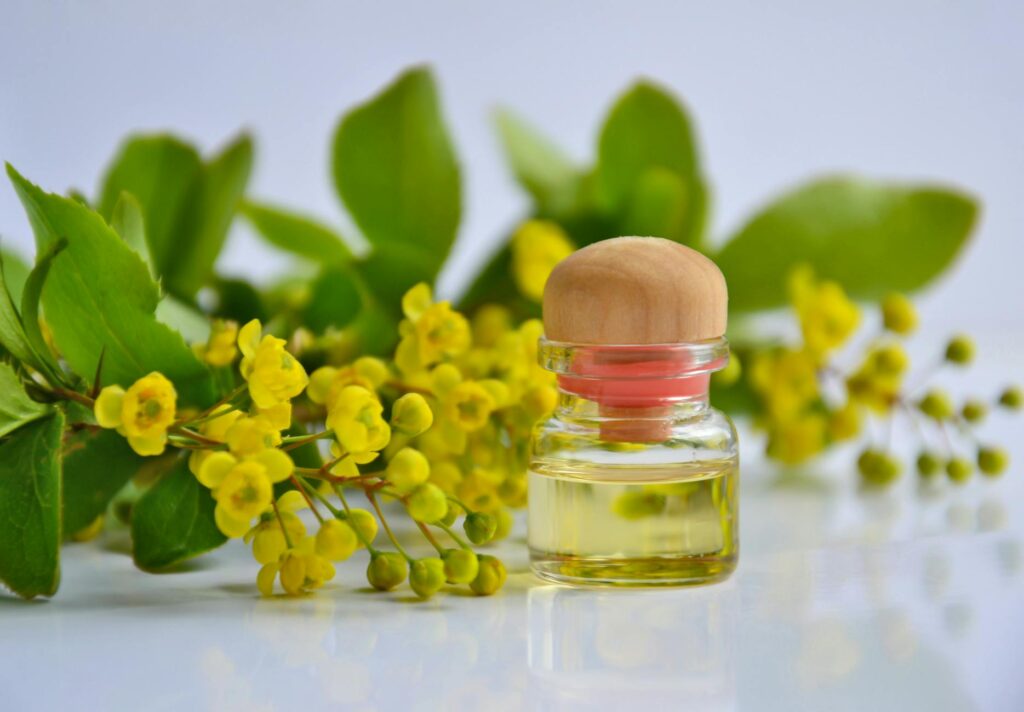
Complete Guide to Kukui Nut Oil Part 1
Introduction
Kukui nut oil, derived from the seeds of the kukui tree (Aleurites molucanna), holds a prominent place in the traditions and wellness practices of Hawaii and other tropical regions. Known for its rich nutritional profile and various applications, this oil has gained attention in the realm of aromatherapy and natural skincare. This guide aims to provide a comprehensive overview of kukui nut oil, exploring its properties, benefits, uses, and safety considerations.
What Is Kukui Nut Oil?
Kukui nut oil is extracted from the nuts of the kukui tree, a native Hawaiian tree that can grow up to 25 feet tall. The tree thrives in tropical climates and produces small, round nuts that contain a rich, oily seed. The oil itself is light in texture, with a pale yellow to greenish hue, and has a subtle, nutty aroma.
The extraction process typically involves cold-pressing the nuts to retain the oil’s natural properties. This method helps preserve the oil’s essential nutrients, including fatty acids, vitamins, and antioxidants, making it suitable for various applications in beauty and wellness.
Key Benefits and Properties
Kukui nut oil boasts a range of beneficial properties that make it a valuable addition to skincare and wellness routines:
1. Moisturizing: High in essential fatty acids, particularly linoleic acid and oleic acid, kukui nut oil is an excellent moisturizer. It penetrates the skin easily, providing hydration without leaving a greasy residue.
2. Emollient: The oil’s emollient properties help soften and smooth the skin, making it beneficial for dry or sensitive skin types.
3. Antioxidant-Rich: Kukui nut oil contains various antioxidants, which can help combat oxidative stress in the skin, promoting a more youthful appearance.
4. Anti-Inflammatory: The oil’s anti-inflammatory properties may assist in soothing irritated skin and reducing redness, making it suitable for conditions such as eczema and psoriasis.
5. Nutrient-Dense: It is rich in vitamins A, C, and E, all of which contribute to skin health. Vitamin E, in particular, is known for its skin-repairing properties.
Common Uses
Kukui nut oil is versatile and can be employed in various ways:
- Skincare: Commonly used as a moisturizer, kukui nut oil can be applied directly to the skin or incorporated into lotions and creams. It is well-suited for use on the face, body, and even hair.
- Massage Oil: Its lightweight texture makes kukui nut oil an ideal choice for massage therapy, providing slip while nourishing the skin.
- Hair Care: The oil can be used as a leave-in conditioner or hair treatment, helping to hydrate and add shine to dry, damaged hair.
- Soap Making: Due to its skin-nourishing properties, kukui nut oil is often included in handmade soaps and skincare products.
- Cooking: While less common, kukui nut oil can also be used in culinary applications, particularly in traditional Hawaiian dishes, although it has a lower smoke point compared to other cooking oils.
- Massage Blends: Combine kukui nut oil with essential oils like lavender, eucalyptus, or chamomile for a relaxing massage experience.
- Bath Oils: Adding kukui nut oil to bathwater can help moisturize the skin while providing a calming aromatic experience.
- Skin Treatments: Kukui nut oil can be blended with essential oils such as tea tree or frankincense for targeted skin treatments.
- Cool, Dark Place: Store kukui nut oil in a cool, dark location away from direct sunlight and heat sources. Exposure to light and heat can accelerate the oil’s oxidation, leading to rancidity.
- Sealed Containers: Keep the oil in a tightly sealed, dark glass bottle to prevent air exposure, which can also lead to degradation.
- Shelf Life: When stored correctly, kukui nut oil typically has a shelf life of 1 to 2 years. It is advisable to check for any off odors or changes in appearance before use.
Aromatherapy Applications
In aromatherapy, kukui nut oil can serve as a carrier oil due to its light consistency. Carrier oils dilute essential oils, making them safe for topical application. The subtle nutty aroma of kukui nut oil can complement various essential oil blends, enhancing the overall sensory experience.
Some common applications include:
Safety Considerations
While kukui nut oil is generally considered safe for topical use, there are several safety considerations to keep in mind:
1. Patch Test: Always conduct a patch test before using kukui nut oil, especially if you have sensitive skin or a history of allergies. Apply a small amount to a discreet area and observe for any adverse reactions over 24 hours.
2. Pregnancy and Nursing: Pregnant or nursing individuals should consult a healthcare professional before using kukui nut oil or any essential oils to ensure safety.
3. Allergic Reactions: Those with nut allergies should exercise caution when using kukui nut oil, as it may provoke allergic reactions similar to those caused by other nut oils.
4. Dilution: When using kukui nut oil in aromatherapy or with essential oils, it is essential to follow proper dilution guidelines to prevent skin irritation.
Storage and Shelf Life
To maintain the quality and integrity of kukui nut oil, proper storage is crucial. Here are some tips:
Frequently Asked Questions
1. Can kukui nut oil be used on all skin types?
Yes, kukui nut oil is generally suitable for all skin types, including sensitive and oily skin. Its lightweight and non-comedogenic nature makes it a favorable option for various skin concerns.
2. Is kukui nut oil safe for children?
While kukui nut oil is generally considered safe, it is recommended to consult with a pediatrician before using it on young children or infants.
3. Can kukui nut oil be ingested?
Kukui nut oil can be used in culinary applications, but it is essential to ensure that the oil is food-grade and suitable for consumption. However, it is not as commonly used in cooking compared to other oils.
4. How does kukui nut oil compare to other carrier oils?
Kukui nut oil is lighter and less greasy than many other carrier oils, making it an excellent choice for those seeking a fast-absorbing option. Its unique properties also offer distinct benefits for skin and hair care.
5. Where can I purchase kukui nut oil?
Kukui nut oil is widely available at health food stores, specialty beauty shops, and online retailers. When purchasing, opt for high-quality, cold-pressed versions to ensure maximum benefits.
In summary, kukui nut oil stands out for its numerous benefits, versatile applications, and rich history. As we delve deeper into its properties and uses in the next part of this guide, readers will gain a more profound understanding of how to incorporate this remarkable oil into their wellness and beauty routines. Stay tuned for Part 2, where we will explore more practical applications and insights into kukui nut oil.