
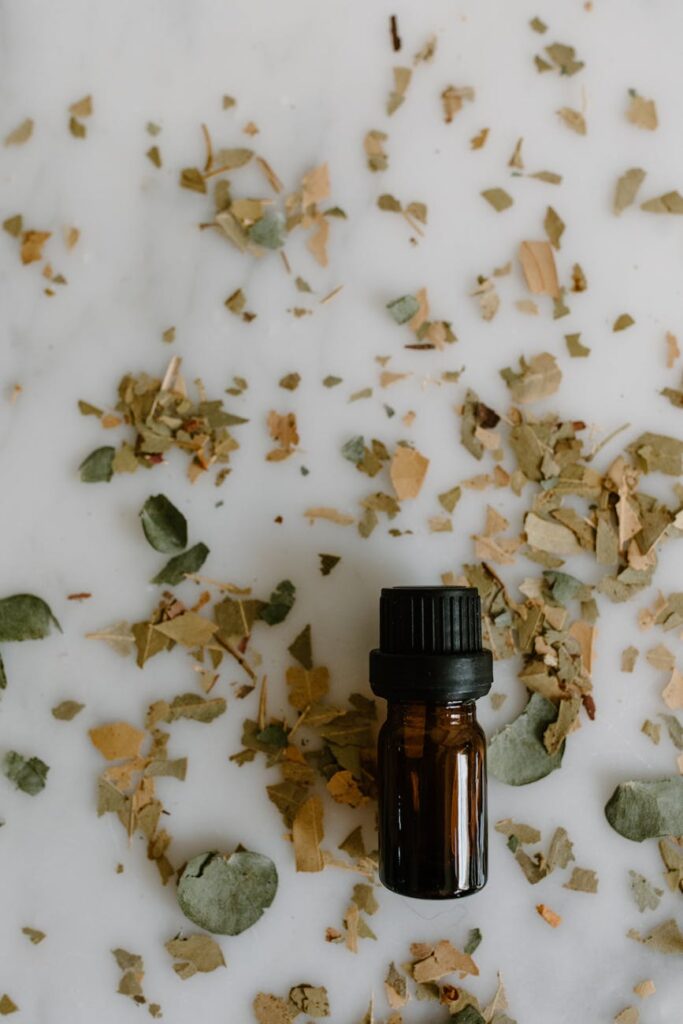
Complete Guide to Kukui Nut Oil Part 3
Introduction
Kukui nut oil, derived from the seeds of the kukui tree (Aleurites molucanna), has been cherished for centuries, particularly in Hawaiian culture. Known for its rich, emollient properties, this oil is often used in skin care, hair care, and aromatherapy. As we explore this versatile oil, we will delve into its benefits, common uses, and safety considerations, providing a comprehensive understanding of its significance in the realm of essential oils and aromatherapy.
What Is Kukui Nut Oil?
Kukui nut oil is extracted from the seeds of the kukui tree, which is native to Hawaii and commonly known as the candlenut tree. The oil is obtained through a cold-pressing process, which preserves its natural properties and nutrients. It has a light, non-greasy texture, making it suitable for various applications, particularly in topical formulations. The oil is rich in essential fatty acids, including oleic and linoleic acids, as well as vitamins A, C, and E, contributing to its nourishing and moisturizing qualities.
Key Benefits and Properties
Kukui nut oil is celebrated for its numerous benefits, which include:
1. Moisturizing
One of the most prominent properties of kukui nut oil is its ability to hydrate and moisturize the skin. The high content of linoleic acid helps to strengthen the skin’s barrier, preventing moisture loss and providing long-lasting hydration.
2. Soothing and Calming
The oil possesses anti-inflammatory properties, making it effective for soothing irritated skin. It is often used to alleviate conditions such as eczema and psoriasis, offering relief from redness and discomfort.
3. Antioxidant-Rich
Kukui nut oil is rich in antioxidants, which help to combat free radicals and protect the skin from environmental stressors. This property can contribute to a more youthful appearance by reducing the signs of aging.
4. Hair Care Benefits
Kukui nut oil is known to nourish and strengthen hair, making it a valuable ingredient in hair care products. It can help to reduce frizz, enhance shine, and promote overall hair health.
5. Skin Repair
The oil aids in the skin’s natural healing processes, making it beneficial for minor wounds, cuts, and burns. Its emollient properties facilitate faster recovery and can improve the appearance of scars over time.
Common Uses
Kukui nut oil is versatile and can be used in various formulations. Some common uses include:
1. Skin Care Products
Due to its moisturizing and soothing properties, kukui nut oil is frequently found in lotions, creams, and balms. It is especially popular in formulations targeting dry or sensitive skin.
2. Hair Care Products
Kukui nut oil is often incorporated into shampoos, conditioners, and hair masks. Its lightweight consistency allows it to penetrate the hair shaft, providing nourishment without weighing the hair down.
3. Massage Oils
The oil’s smooth texture and skin-friendly properties make it an excellent choice for massage oils. It glides easily over the skin, enhancing the massage experience while providing hydration.
4. Aromatherapy Blends
Kukui nut oil can serve as a carrier oil for essential oils, enabling the safe application of potent aromas on the skin. Its neutral scent allows the properties of essential oils to shine.
5. Natural Remedies
In traditional practices, kukui nut oil has been used for various skin ailments, including sunburns and minor irritations. It is often included in homemade remedies for its nourishing benefits.
Aromatherapy Applications
In the field of aromatherapy, kukui nut oil serves as an excellent carrier oil due to its light consistency and skin-absorbing properties. It allows for the safe application of essential oils while enhancing their efficacy.
Blending with Essential Oils
Kukui nut oil can be blended with various essential oils to create customized aromatherapy blends. Some popular choices include:
- Lavender: Known for its calming properties, lavender essential oil can be blended with kukui nut oil for a soothing massage or skin application.
- Peppermint: When combined with kukui nut oil, peppermint essential oil can provide a refreshing and invigorating experience, particularly in foot or scalp massages.
- Tea Tree: This essential oil’s antibacterial properties can be enhanced by kukui nut oil, making it suitable for targeted applications on blemishes or irritations.
- Topical Application: Dilute essential oils in kukui nut oil and apply them directly to the skin for localized benefits.
- Diffusion: While kukui nut oil is not typically used in diffusers, its blended mixtures can be inhaled for aromatherapy benefits.
- Bathing: Add kukui nut oil to bathwater along with essential oils to create a luxurious and moisturizing bathing experience.
Application Methods
Safety Considerations
While kukui nut oil is generally regarded as safe for topical use, it is essential to consider the following precautions:
1. Patch Test
Before applying kukui nut oil or any product containing it to a larger area, conducting a patch test on a small skin area is advisable. This helps to identify any potential allergic reactions or sensitivities.
2. Essential Oil Dilution
When using kukui nut oil as a carrier for essential oils, it’s crucial to adhere to recommended dilution ratios. Essential oils are potent and should always be diluted to avoid irritation.
3. Avoiding Sensitive Areas
Avoid applying kukui nut oil near sensitive areas such as the eyes or mucous membranes, as this may cause irritation.
4. Consult a Professional
For individuals with specific skin conditions or concerns, consulting a qualified professional before using kukui nut oil or any new product is recommended.
Storage and Shelf Life
Proper storage is essential to maintain the quality and shelf life of kukui nut oil:
1. Container
Store kukui nut oil in a dark glass bottle to protect it from light exposure, which can degrade its properties over time.
2. Temperature
Keep the oil in a cool, dry place, away from direct sunlight or heat sources. High temperatures can affect the oil’s composition and efficacy.
3. Shelf Life
Kukui nut oil typically has a shelf life of 1 to 2 years when stored correctly. It is advisable to check for changes in odor, color, or consistency before use, as these may indicate spoilage.
Frequently Asked Questions
Q1: Is kukui nut oil suitable for all skin types?
Yes, kukui nut oil is generally suitable for all skin types. Its lightweight and non-greasy nature makes it particularly beneficial for oily and combination skin, while its moisturizing properties are advantageous for dry skin.
Q2: Can kukui nut oil be used during pregnancy?
While kukui nut oil is generally considered safe, it is advisable for pregnant individuals to consult with a healthcare professional before using any new products, including oils.
Q3: Can I use kukui nut oil on my face?
Yes, kukui nut oil can be used on the face due to its lightweight texture and moisturizing properties. It is often included in facial oils and creams.
Q4: How can I incorporate kukui nut oil into my skincare routine?
Kukui nut oil can be applied directly to the skin after cleansing, mixed with other skincare products, or used in homemade formulations. Its versatility allows for easy incorporation into various routines.
Q5: Is kukui nut oil safe for children?
Kukui nut oil is generally considered safe for children, but it is recommended to conduct a patch test first and consult with a pediatrician if there are any concerns.
—
In conclusion, kukui nut oil is a remarkable natural oil with a rich history of use in skincare and aromatherapy. Its numerous benefits and versatile applications make it a valuable addition to personal care routines. By understanding its properties and uses, individuals can effectively harness the power of kukui nut oil in their daily lives.