
Complete Guide to Kukui Nut Oil Part 4
Introduction
Kukui nut oil, derived from the nuts of the Aleurites molucanna tree, holds a revered place in traditional Hawaiian culture and modern wellness practices. This versatile oil, known for its many beneficial properties, has gained popularity in the realms of skincare, haircare, and aromatherapy. In this guide, we will explore the origins, benefits, applications, and safety considerations of kukui nut oil, providing a comprehensive overview for those interested in incorporating this oil into their daily routines.
What Is Kukui Nut Oil?
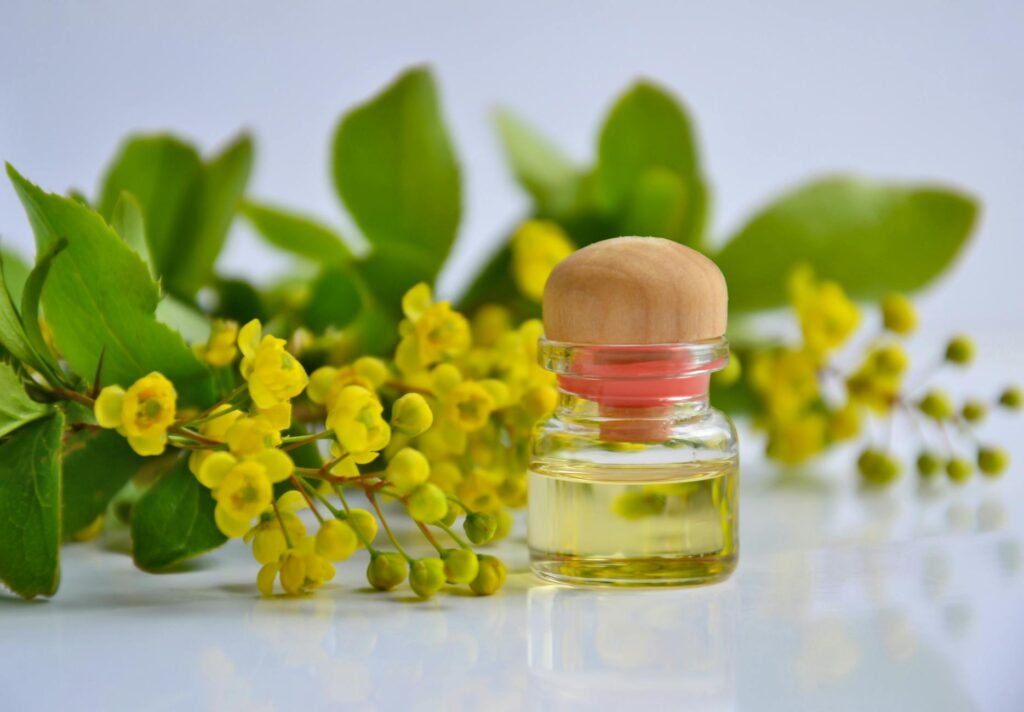
Kukui nut oil is extracted from the nuts of the kukui tree, which is native to Hawaii and other tropical regions. The trees can grow up to 25 feet tall and produce small, greenish-yellow flowers. The nuts, commonly referred to as candlenuts, are rich in oil and have been used by Hawaiians for centuries for various purposes, including skincare, cooking, and ceremonial practices.
The extraction process typically involves cold-pressing the nuts, resulting in a light, non-greasy oil that is easily absorbed by the skin. Kukui nut oil is characterized by its mild, nutty aroma and pale yellow color. It is often used as a base oil in formulations for cosmetic products due to its emollient properties and ability to enhance the absorption of other active ingredients.
Key Benefits and Properties
Kukui nut oil is celebrated for its numerous beneficial properties, making it a valuable addition to both skincare and holistic practices:
- Moisturizing: Rich in essential fatty acids, including oleic and linoleic acids, kukui nut oil deeply hydrates the skin, helping to maintain moisture levels and prevent dryness.
- Anti-inflammatory: The oil contains compounds that may help soothe irritated skin, making it suitable for conditions like eczema and psoriasis.
- Antioxidant-rich: Kukui nut oil is high in vitamins A, C, and E, which can help protect the skin from oxidative stress and support overall skin health.
- Non-comedogenic: The lightweight nature of kukui nut oil makes it suitable for various skin types, including oily and acne-prone skin, as it does not clog pores.
- Healing properties: Traditional uses of kukui nut oil include supporting the healing of minor cuts, burns, and sunburns, attributed to its soothing and regenerating properties.
- Lavender: Known for its calming effects, lavender essential oil can enhance relaxation when combined with kukui nut oil in a massage blend.
- Tea Tree: The antibacterial properties of tea tree oil can be amplified by mixing it with kukui nut oil, making an effective topical application for minor skin irritations.
- Peppermint: Blending peppermint oil with kukui nut oil can create a refreshing massage oil that invigorates the senses.
- Allergic Reactions: As with any natural product, individuals should perform a patch test before using kukui nut oil extensively. Apply a small amount to a discrete area of skin and monitor for any adverse reactions.
- Pregnancy and Nursing: Although kukui nut oil is considered safe, it is advisable for pregnant or nursing women to consult with a healthcare provider before incorporating new oils into their routine.
- Storage: Store kukui nut oil in a cool, dark place to maintain its quality and prevent oxidation. Ensure that the container is tightly sealed to avoid exposure to air and light.
- Keep in a Cool Place: Avoid exposing the oil to heat sources or direct sunlight, which can degrade its quality.
- Use Dark Glass Bottles: If possible, store kukui nut oil in dark glass containers to protect it from light exposure.
- Check for Changes: Before use, check for any changes in color, smell, or consistency, which may indicate spoilage. If the oil has an off-putting odor or appears cloudy, it is best to discard it.
Common Uses
Kukui nut oil’s versatility allows it to be utilized in various applications:
Skincare
Kukui nut oil is often used in lotions, creams, and serums due to its excellent moisturizing properties. It can be applied directly to the skin or blended with other oils and ingredients to enhance its moisturizing effects.
Haircare
Many haircare products incorporate kukui nut oil to nourish the hair and scalp. It can be used as a leave-in conditioner, helping to improve shine, manageability, and overall hair health.
Massage Oil
The oil’s smooth texture and ability to absorb quickly make it an ideal choice for massage oils. It can be blended with essential oils to create personalized aromatherapy experiences.
Cooking
In traditional Hawaiian cuisine, kukui nut oil has been used as a cooking oil. However, it is essential to note that this oil is often cold-pressed and may not be suitable for high-heat cooking.
Aromatherapy Applications
Kukui nut oil can also be used in aromatherapy, serving as a carrier oil for essential oils. Its light texture allows it to blend well with various essential oils, facilitating the delivery of their therapeutic properties.
Blending with Essential Oils
When using kukui nut oil in aromatherapy, consider the following essential oils that complement its properties:
Diffuser Applications
While kukui nut oil is not typically used in diffusers, it can be added to a carrier oil blend for topical application or massage. Due to its soothing qualities, it can create a calming atmosphere when used in conjunction with essential oils that promote relaxation.
Safety Considerations
While kukui nut oil is generally regarded as safe for topical use, it is essential to keep the following considerations in mind:
Storage and Shelf Life
Kukui nut oil has a relatively long shelf life, typically ranging from 1 to 2 years when stored properly. To maximize its longevity, adhere to the following storage tips:
Frequently Asked Questions
1. Can kukui nut oil be used on all skin types?
Yes, kukui nut oil is suitable for various skin types, including oily and sensitive skin. Its lightweight and non-comedogenic nature make it an excellent option for those looking for hydration without clogging pores.
2. Is kukui nut oil safe for cooking?
While kukui nut oil has been used in traditional Hawaiian cooking, it is essential to note that it is typically cold-pressed and may not withstand high heat. It is best to use it in dressings or as a finishing oil rather than for frying or high-temperature cooking.
3. How do I incorporate kukui nut oil into my skincare routine?
Kukui nut oil can be applied directly to the skin after cleansing, or it can be mixed with other oils or skincare products to enhance their moisturizing properties. It can also be used as part of a massage routine.
4. Can kukui nut oil help with acne?
Kukui nut oil is non-comedogenic and contains anti-inflammatory properties, making it a suitable option for those with acne-prone skin. However, individual reactions may vary, so it is advisable to perform a patch test before use.
5. Is kukui nut oil safe for children?
While kukui nut oil is generally considered safe, it is advisable to consult with a healthcare provider before using it on children, especially for those with sensitive skin or allergies.
Conclusion
Kukui nut oil is a remarkable natural oil with a rich history and numerous applications in skincare, haircare, and aromatherapy. Its moisturizing, soothing, and healing properties make it a valuable addition to any wellness regimen. By understanding its benefits, uses, and safety considerations, you can effectively incorporate kukui nut oil into your daily routine, embracing the holistic advantages it offers.