
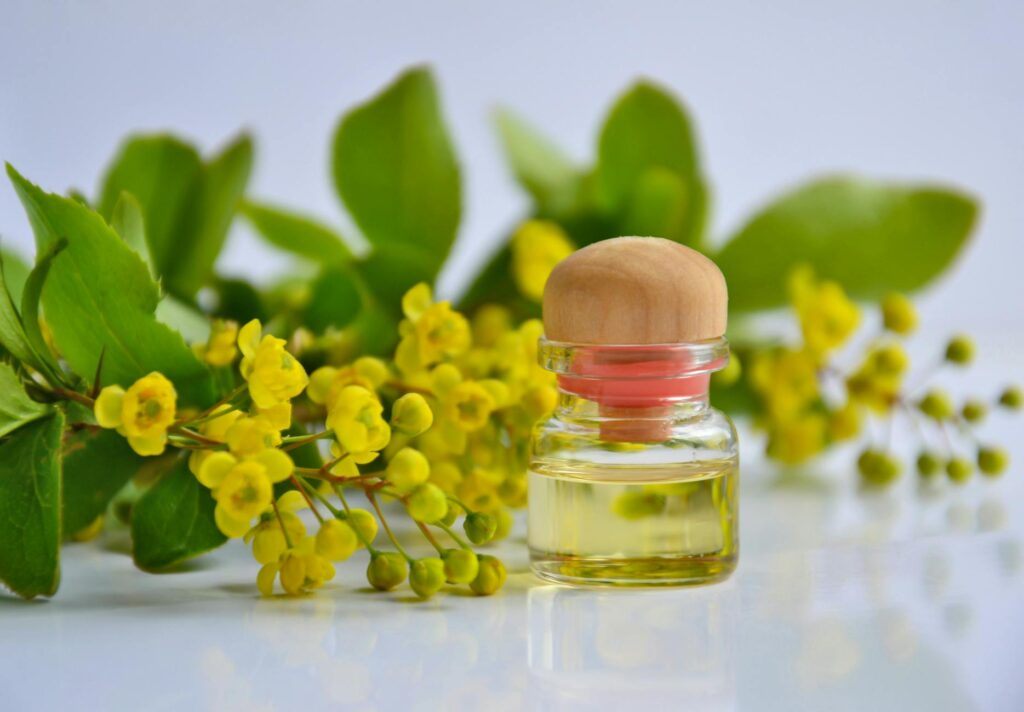
Complete Guide to Kukui Nut Oil Part 6
Introduction
Kukui nut oil, derived from the nuts of the Aleurites molucanna tree, has been utilized for centuries in various cultures, particularly in Hawaii, for its numerous beneficial properties. This guide explores the characteristics, benefits, uses, and safety considerations of kukui nut oil, providing a comprehensive overview for those interested in incorporating this natural oil into their lives.
What Is Kukui Nut Oil?
Kukui nut oil is extracted from the seeds of the kukui tree, also known as the candlenut tree. This tree is native to tropical regions and is especially prevalent in Hawaii. The oil is obtained through cold pressing the nuts, resulting in a light, non-greasy oil that is rich in essential fatty acids, vitamins, and antioxidants.
The kukui nut tree has significant cultural and historical importance in Hawaiian tradition. The nuts were traditionally used for lighting, cooking, and skin care, demonstrating the versatility of this natural resource.
Key Benefits and Properties
Nutritional Composition
Kukui nut oil is rich in essential fatty acids, particularly linoleic acid and alpha-linolenic acid. These fatty acids are known for their hydrating and soothing properties, making the oil beneficial for skin health.
Moisturizing and Soothing
Thanks to its emollient properties, kukui nut oil is an excellent moisturizer. It penetrates the skin easily without leaving a greasy residue, making it suitable for various skin types. The oil helps soothe dry, irritated skin and can alleviate symptoms associated with conditions such as eczema and psoriasis.
Antioxidant Properties
Kukui nut oil contains antioxidants, including vitamins A, C, and E, which help protect the skin from damage caused by free radicals. This protective quality can contribute to maintaining youthful skin and may support overall skin health.
Healing Properties
The oil is believed to promote healing and regeneration of skin tissues. Its anti-inflammatory properties may assist in reducing redness and swelling, making it a popular choice for after-sun care or minor skin irritations.
Common Uses
Skin Care
Kukui nut oil is widely used in skin care formulations, including lotions, creams, and serums. Its ability to hydrate and nourish the skin makes it ideal for products designed for dry or sensitive skin.
Hair Care
This oil is also beneficial for hair, providing moisture and shine. It can be applied directly to the hair or used in hair care products to combat dryness and frizz.
Massage Oil
Due to its light texture and soothing properties, kukui nut oil is often used as a base oil in massage therapy. It allows for smooth application and enhances the overall massage experience.
Culinary Uses
While kukui nut oil is primarily known for its cosmetic applications, it is also edible. In Hawaiian cuisine, the oil can be used in salad dressings or drizzled over dishes for added flavor. However, it is essential to ensure that the oil is food-grade if intended for consumption.
Aromatherapy Applications
Kukui nut oil can be used in aromatherapy, either on its own or as a carrier oil for essential oils. Its neutral scent makes it an excellent base for blending with more aromatic essential oils, allowing for customized aromatic experiences.
Blending with Essential Oils
When used in aromatherapy, kukui nut oil can enhance the therapeutic effects of essential oils. Its moisturizing properties can help dilute potent essential oils, making them safer for topical application. Some popular combinations include:
- Lavender and Kukui Nut Oil: For relaxation and stress relief.
- Peppermint and Kukui Nut Oil: To invigorate and energize.
- Eucalyptus and Kukui Nut Oil: For respiratory support and clarity.
- Cool, Dark Place: Store the oil in a cool and dark location to prevent oxidation and degradation.
- Sealed Containers: Keep the oil in a tightly sealed container to avoid exposure to air and light.
- Refrigeration: If you live in a warm climate, consider refrigerating the oil to extend its shelf life.
Diffusion
While kukui nut oil is not typically used in diffusers, it can be mixed with essential oils and carrier oils for topical applications that promote relaxation and well-being.
Safety Considerations
Kukui nut oil is generally considered safe for topical use; however, some individuals may experience allergic reactions. It is advisable to conduct a patch test before using the oil extensively. Apply a small amount of oil on a discrete area of skin and observe for any adverse reactions over 24 hours.
Avoiding Contamination
When handling kukui nut oil, ensure that the equipment used is clean to avoid contamination. Store the oil in a cool, dark place to maintain its quality and extend shelf life.
Consultation
While kukui nut oil is safe for most individuals, those with specific skin conditions or allergies should consult with a qualified professional before use. It is essential to note that this guide is for educational purposes only and does not constitute medical advice.
Storage and Shelf Life
Proper storage is crucial to maintaining the quality of kukui nut oil. Here are some tips for optimal storage:
Shelf Life
When stored correctly, kukui nut oil typically has a shelf life of 1 to 2 years. Signs that the oil has gone rancid include a change in color, odor, or texture. If any of these changes occur, it is best to dispose of the oil.
Frequently Asked Questions
1. Is kukui nut oil suitable for all skin types?
Yes, kukui nut oil is generally suitable for all skin types due to its lightweight, non-greasy texture. However, individuals with nut allergies should exercise caution.
2. Can kukui nut oil be used for cooking?
Yes, kukui nut oil is edible and can be used in culinary applications. Ensure that you use food-grade oil for cooking purposes.
3. How can I incorporate kukui nut oil into my skincare routine?
Kukui nut oil can be used directly on the skin, added to lotions or creams, or mixed with essential oils for added benefits. It can be applied after cleansing and before moisturizing.
4. Does kukui nut oil have a strong scent?
No, kukui nut oil has a light, neutral scent, making it suitable for use in aromatherapy as a carrier oil.
5. Can kukui nut oil help with skin conditions?
While kukui nut oil has soothing and moisturizing properties that may benefit dry or irritated skin, it is recommended to consult with a healthcare professional for specific skin conditions.
Conclusion
Kukui nut oil is a versatile and beneficial oil with a rich history and a wide range of applications. From skin care to culinary uses, its moisturizing and soothing properties make it a valuable addition to any natural wellness regimen. As with any natural product, proper use and storage are essential to maximize its benefits while ensuring safety. By understanding the various aspects of kukui nut oil, individuals can make informed decisions about incorporating this oil into their lifestyle.