
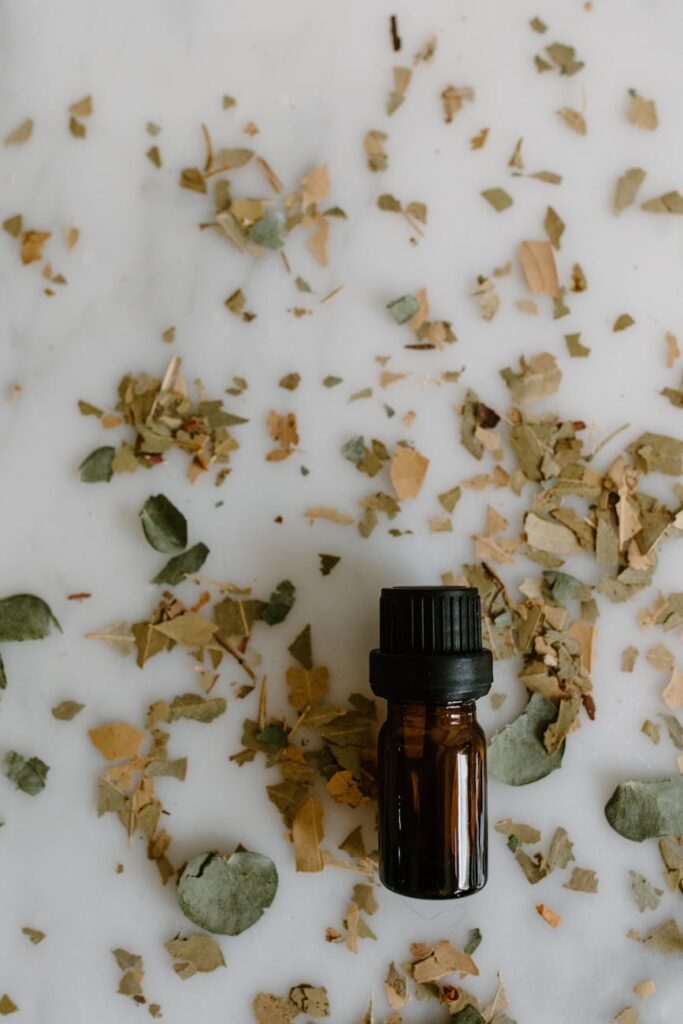
Complete Guide to Kukui Nut Oil Part 6
Introduction
Kukui nut oil, derived from the nuts of the Aleurites molucanna tree, native to Hawaii, has been cherished for centuries for its numerous benefits and applications. This oil has gained popularity not only in traditional Hawaiian practices but also in modern skincare, aromatherapy, and holistic wellness. This guide delves into the characteristics, benefits, uses, and safety of kukui nut oil, providing a comprehensive understanding for enthusiasts and practitioners alike.
What Is Kukui Nut Oil?
Kukui nut oil, also known as candlenut oil, is extracted from the nuts of the kukui tree. This tree can grow up to 40 feet tall and is characterized by its broad, glossy leaves and small, yellow flowers. The nuts contain a high concentration of fatty acids, primarily oleic and linoleic acids, which contribute to the oil’s moisturizing and nourishing properties.
The extraction process typically involves cold pressing the nuts, which preserves the oil’s beneficial qualities. The resulting oil is light in texture, with a mild, nutty aroma, making it suitable for various applications, including skincare, hair care, and aromatherapy.
Key Benefits and Properties
Kukui nut oil boasts a range of beneficial properties, making it a versatile ingredient in beauty and wellness products. Here are some of its key benefits:
Moisturizing
Rich in essential fatty acids, kukui nut oil deeply hydrates the skin, making it an effective moisturizer. It is particularly beneficial for dry or sensitive skin, as it forms a protective barrier that locks in moisture and prevents dehydration.
Anti-inflammatory
The oil possesses anti-inflammatory properties, which can help soothe irritated skin and reduce redness. This makes it suitable for conditions like eczema, psoriasis, and sunburn.
Antioxidant
Kukui nut oil contains antioxidants that help combat oxidative stress and protect the skin from environmental damage. This can contribute to a more youthful appearance by reducing the signs of aging.
Healing
The nourishing qualities of kukui nut oil promote skin regeneration and healing. It can support the recovery of minor cuts, burns, and other skin injuries.
Hair Care
Kukui nut oil is also beneficial for hair health. Its lightweight nature allows it to penetrate the hair shaft, providing moisture and shine without weighing the hair down.
Common Uses
Kukui nut oil’s versatility allows it to be incorporated into various products and routines:
Skincare Products
Due to its moisturizing and healing properties, kukui nut oil is commonly found in lotions, creams, and serums. It is particularly valued in formulations targeting dry or sensitive skin.
Hair Care Products
Many shampoos, conditioners, and hair treatments contain kukui nut oil to enhance shine and manageability. It can also be used as a standalone hair oil for added moisture and nourishment.
Massage Oil
Its smooth texture makes kukui nut oil an excellent choice for massage therapy. It glides easily on the skin while providing hydration and nourishment.
Lip Care
Kukui nut oil is sometimes included in lip balms and treatments due to its ability to keep lips moisturized and protected.
Culinary Uses
While primarily used for cosmetic purposes, kukui nut oil can also be used in cooking. It has a high smoke point, making it suitable for sautéing and drizzling over dishes.
Aromatherapy Applications
In the realm of aromatherapy, kukui nut oil serves as a carrier oil, complementing essential oils and enhancing their therapeutic benefits. Its light texture allows for easy absorption, making it an ideal medium for diluting more potent essential oils.
Blending with Essential Oils
Kukui nut oil can be blended with various essential oils to create personalized aromatherapy formulations. Some popular combinations include:
- Lavender and Kukui Nut Oil: Known for its calming properties, this blend can promote relaxation and relieve stress.
- Tea Tree and Kukui Nut Oil: This combination can harness the antibacterial properties of tea tree oil while moisturizing the skin.
- Peppermint and Kukui Nut Oil: Ideal for invigorating blends, this combination may help refresh and uplift mood.
- Topical Application: Diluted essential oils can be massaged into the skin using kukui nut oil as a carrier.
- Diffusion: While kukui nut oil itself is not typically diffused, it can be included in body oils or lotions that are used topically after being diffused.
- Baths: Adding kukui nut oil to bathwater can create a nourishing soak, enhancing relaxation and skin hydration.
- Use Dark Glass Containers: Store the oil in dark glass bottles to protect it from light exposure, which can cause oxidation.
- Keep it Cool: A refrigerator is an ideal storage location, as it can help prolong the oil’s freshness.
- Seal Tightly: Always ensure the container is tightly sealed to prevent contamination and oxidation.
Application Methods
Kukui nut oil can be applied in several ways in aromatherapy:
Safety Considerations
While kukui nut oil is generally regarded as safe when used properly, it is essential to consider the following precautions:
Patch Test
Before using kukui nut oil on the skin, particularly for individuals with sensitive skin or allergies, it is advisable to perform a patch test. Apply a small amount of the oil to a discreet area and monitor for any adverse reactions.
Allergies
Those with nut allergies should exercise caution, as kukui nut oil is derived from nuts. Consult with a healthcare professional if you have concerns regarding allergies.
Storage
Proper storage of kukui nut oil is crucial for maintaining its quality and effectiveness. It should be kept in a cool, dark place, away from direct sunlight and heat sources.
Storage and Shelf Life
Kukui nut oil has a shelf life of approximately 1 to 2 years when stored correctly. To ensure its longevity:
Frequently Asked Questions
1. Is kukui nut oil suitable for all skin types?
Yes, kukui nut oil is generally suitable for all skin types, including sensitive skin. Its lightweight texture and moisturizing properties make it beneficial for dry, oily, and combination skin.
2. Can kukui nut oil be used on the face?
Absolutely. Kukui nut oil can be applied to the face as a moisturizer or as part of a skincare regimen. Its nourishing properties help hydrate and soothe the skin without clogging pores.
3. How is kukui nut oil different from other carrier oils?
Kukui nut oil has a unique composition of fatty acids, which gives it a lightweight texture and quick absorption rate compared to other carrier oils. This makes it particularly effective for both skincare and hair care.
4. Can I cook with kukui nut oil?
Yes, kukui nut oil can be used in cooking. Its high smoke point makes it suitable for sautéing and drizzling over dishes. However, it is essential to use high-quality oil intended for culinary use.
5. Can kukui nut oil help with hair growth?
While kukui nut oil can nourish and moisturize the hair, promoting a healthier environment for hair growth, it is not a guaranteed solution for hair loss. Its primary benefits lie in improving hair texture and manageability.
Conclusion
Kukui nut oil is a remarkable natural product with a rich history and a wide range of applications in skincare, hair care, and aromatherapy. Its moisturizing, anti-inflammatory, and antioxidant properties make it a valuable addition to personal care routines. As with any oil or ingredient, it is important to use kukui nut oil mindfully, considering individual skin types and sensitivities.