
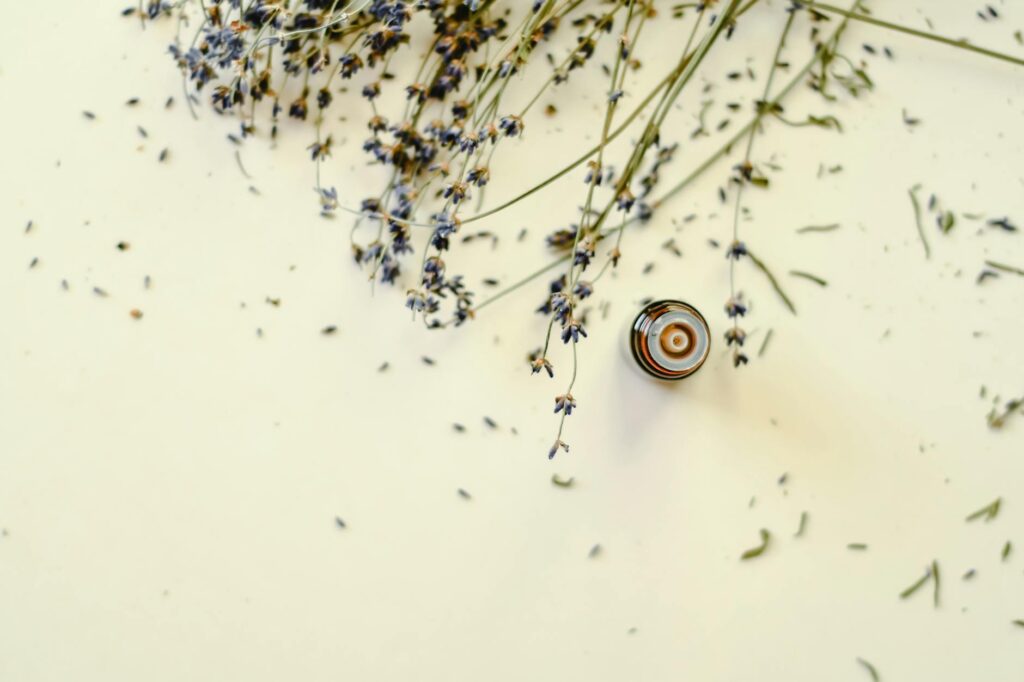
Complete Guide to Lavender Oil Part 1
Introduction
Lavender oil is one of the most popular essential oils in the realm of aromatherapy and natural wellness. Regarded for its versatility and pleasant fragrance, lavender oil has a long-standing history that dates back centuries. This guide will delve into the intricate details of lavender oil, exploring its origins, benefits, uses, and safety considerations, providing a comprehensive resource for those looking to incorporate this remarkable oil into their lives.
What Is Lavender Oil?
Lavender oil is extracted from the flowers of the Lavandula plant, primarily Lavandula angustifolia, but also from other species such as Lavandula latifolia and Lavandula stoechas. The plant is indigenous to the Mediterranean region but is now cultivated in various parts of the world, including France, Bulgaria, and the United States.
The extraction process typically involves steam distillation, where steam passes through the plant material, carrying with it the essential oil. This oil is characterized by its clear to pale yellow color and distinctive floral scent, often described as sweet, herbaceous, and slightly woody.
Lavender oil is composed of various chemical constituents, including linalool, linalyl acetate, and camphor, which contribute to its unique aroma and therapeutic properties.
Key Benefits and Properties
Lavender oil is renowned for its many benefits, which can be attributed to its diverse chemical composition. Some of the key properties and benefits of lavender oil include:
1. Calming and Relaxing: The soothing aroma of lavender is believed to promote relaxation and reduce stress. This makes it a popular choice for those looking to unwind after a long day.
2. Antimicrobial Properties: Lavender oil has been studied for its potential antimicrobial effects. It may help inhibit the growth of certain bacteria and fungi, making it useful in natural cleaning products and skincare formulations.
3. Anti-inflammatory Effects: Some studies suggest that lavender oil may possess anti-inflammatory properties, which can be beneficial for soothing minor skin irritations.
4. Sleep Aid: Lavender is widely recognized for its potential to improve sleep quality. Many people use it to create a calming bedtime routine, as its aroma may help ease the mind and promote a restful night’s sleep.
5. Mood Enhancer: The uplifting scent of lavender oil may contribute to improved mood and emotional well-being. Some individuals report that it helps alleviate feelings of anxiety and sadness.
Common Uses
Lavender oil is incredibly versatile and can be used in various applications, including:
- Aromatherapy: Whether through diffusion, inhalation, or topical application, lavender oil is a staple in aromatherapy practices.
- Skincare: Due to its antimicrobial and anti-inflammatory properties, lavender oil is often included in skincare products to promote healthy skin. It can help soothe minor burns and insect bites.
- Household Cleaning: Lavender oil’s antimicrobial properties make it a popular ingredient in natural cleaning solutions, providing a pleasant scent while effectively eliminating germs.
- Hair Care: Some individuals use lavender oil to promote scalp health and enhance hair growth. It can be added to shampoos or used in a diluted form as a topical treatment.
- Massage: Lavender oil is frequently used in massage therapy due to its relaxing and soothing properties. It can be diluted in a carrier oil for safe topical application.
- Keep it Dark: Essential oils are best stored in dark glass bottles to protect them from light, which can degrade the oil over time.
- Cool Environment: Store lavender oil in a cool, dry place away from direct sunlight and heat sources. A temperature range of 60-70°F (15-21°C) is ideal.
- Check for Expiry: While lavender oil can last several years if stored properly, it’s important to check for any changes in aroma or appearance, which may indicate that the oil has gone rancid.
Aromatherapy Applications
Aromatherapy is the practice of using essential oils to enhance physical and emotional well-being. Lavender oil is particularly sought after for its calming effects. Here are some common ways to incorporate lavender oil into your aromatherapy routine:
Diffusion
Using a diffuser is one of the most effective methods to disperse lavender oil into the air. Add a few drops of lavender oil to water in a diffuser, allowing the aroma to fill the room. This method is beneficial for creating a peaceful environment, whether during meditation, yoga, or simply relaxing at home.
Inhalation
For immediate calming effects, inhaling lavender oil directly can be effective. Place a drop or two on a tissue or cotton ball and take deep breaths. This method is ideal for quick stress relief or to enhance focus during a busy day.
Bathing
Adding lavender oil to a warm bath can create a luxurious and relaxing experience. Combine a few drops of lavender oil with a carrier oil, such as coconut or jojoba, before adding it to the bathwater to ensure proper dilution.
Pillow Spray
Creating a pillow spray with lavender oil can help promote restful sleep. Mix lavender oil with water in a spray bottle and lightly mist your pillow before bedtime. This simple ritual can enhance relaxation and improve sleep quality.
Safety Considerations
While lavender oil is generally considered safe for most individuals, there are important safety considerations to keep in mind:
1. Dilution: Essential oils, including lavender, should be diluted before topical application to avoid skin irritation. A common dilution ratio is 1-2 drops of lavender oil per teaspoon of carrier oil.
2. Patch Test: Before using lavender oil on larger areas of the skin, it is advisable to conduct a patch test. Apply a small diluted amount to a discrete area and observe for any adverse reactions.
3. Pregnancy and Nursing: Pregnant or nursing individuals should consult a healthcare provider before using lavender oil, as essential oils can have varying effects during this time.
4. Children: Lavender oil is often used in children, but it should be diluted appropriately for their age. Consult with a pediatrician for guidance.
5. Allergies: Individuals with allergies to plants in the Lamiaceae family (which includes mint, sage, and rosemary) may have a higher risk of sensitivity to lavender oil.
6. Medical Interactions: If you are taking medications or have underlying health conditions, consult a healthcare professional before using lavender oil, especially if considering it for therapeutic purposes.
Storage and Shelf Life
Proper storage of lavender oil is essential to maintain its quality and prolong its shelf life. Here are some tips for optimal storage:
Frequently Asked Questions
1. Can lavender oil be ingested?
Lavender oil is primarily used for external applications and aromatherapy. Ingestion is not commonly recommended unless under the guidance of a qualified healthcare professional.
2. Is lavender oil safe for pets?
Lavender oil can be toxic to some pets, especially cats and birds. It’s essential to consult with a veterinarian before using lavender oil in a home with pets.
3. How can I tell if I have a genuine lavender oil?
Look for high-quality lavender oil that is labeled as pure and therapeutic grade. The ingredient list should contain only lavender oil without any fillers or synthetic additives.
4. Can lavender oil cause an allergic reaction?
While rare, some individuals may experience allergic reactions to lavender oil. If you have sensitive skin or a history of allergies, performing a patch test is advisable before use.
5. How can I incorporate lavender oil into my daily routine?
Lavender oil can be added to your skincare, used in your diffuser, or incorporated into your bath. Finding what works best for you can enhance your overall well-being.
In conclusion, lavender oil is a multifaceted essential oil with a rich heritage and wide-ranging applications. This guide serves as an introduction to its various properties, uses, and considerations, setting the stage for further exploration in Part 2.