
Complete Guide to Lavender Oil Part 14
Introduction
Lavender oil, derived from the flowers of the Lavandula angustifolia plant, is one of the most widely recognized and utilized essential oils in the world. Known for its calming scent and versatile applications, lavender oil has been a staple in aromatherapy and natural wellness practices for centuries. In this comprehensive guide, we will explore the origins, benefits, uses, and safety considerations surrounding lavender oil, providing a holistic view of this cherished essential oil.
What Is Lavender Oil?
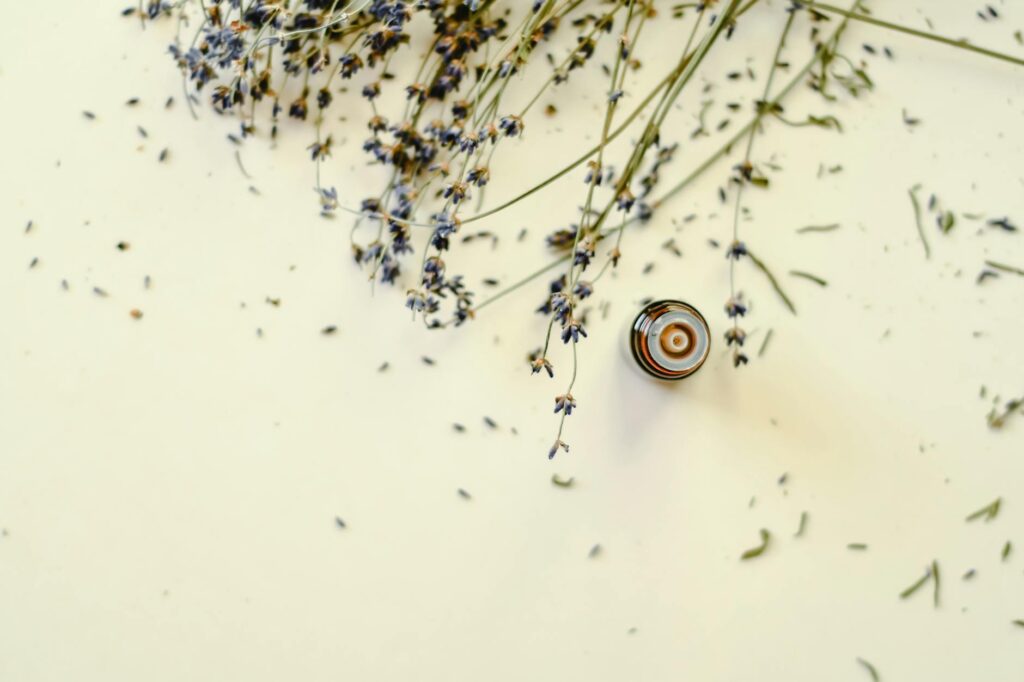
Lavender oil is an essential oil obtained through the steam distillation of the flowering tops of the lavender plant. This process captures the plant’s fragrant compounds, resulting in a concentrated liquid that embodies the essence of lavender. The oil is typically a pale yellow or clear liquid, characterized by its sweet, floral aroma.
Lavender is native to the Mediterranean region but is now cultivated globally, from Europe to Asia and the Americas. The most commonly used species for essential oil production is Lavandula angustifolia, also known as true lavender, though other varieties exist, including Lavandula latifolia (spike lavender) and Lavandula stoechas (Spanish lavender).
Key Benefits and Properties
Lavender oil is celebrated for its wide array of potential benefits and properties:
- Calming and Relaxing: The most recognized property of lavender oil is its ability to promote relaxation and reduce anxiety. Many people use it to enhance sleep quality and manage stress.
- Anti-inflammatory: Lavender oil may possess anti-inflammatory properties, making it useful in skincare and for minor irritations.
- Antimicrobial: Research suggests that lavender oil has antimicrobial qualities, which can help in cleansing and protecting the skin.
- Analgesic: Some studies indicate that lavender oil may help relieve pain, making it a popular choice for soothing headaches and muscle aches.
- Mood Enhancer: The aroma of lavender is thought to have mood-lifting effects, potentially aiding in alleviating symptoms of mild depression.
- Aromatherapy: Diffusing lavender oil in a room can create a calming atmosphere.
- Skincare: It is commonly included in topical applications for its soothing and healing properties.
- Household Products: Lavender oil is often found in cleaning supplies, candles, and air fresheners due to its pleasant scent and potential antibacterial properties.
- Hair Care: Lavender oil is sometimes incorporated into shampoos and conditioners for its purported benefits for scalp health.
- Personal Care: The oil is included in lotions, balms, and massage oils for its aromatic and therapeutic qualities.
- Diffusion: One of the simplest methods of experiencing lavender’s benefits is through diffusion. A few drops of lavender oil can be added to a diffuser to fill a room with its calming aroma.
- Topical Application: Lavender oil can be diluted with a carrier oil, such as sweet almond or jojoba oil, for direct application to the skin. This is often used in massages or for targeted relief.
- Bathing: Adding lavender oil to a warm bath can enhance relaxation. A few drops can be mixed with a carrier oil to prevent the oil from floating on the water’s surface.
- Inhalation: Inhaling lavender oil directly from the bottle or applying it to a cotton ball can provide immediate calming effects, especially during stressful situations.
- Sleep Aids: Many people place a drop of lavender oil on their pillows or use lavender-scented sachets to promote restful sleep.
- Dilution: Essential oils should be diluted before application to the skin. A common dilution ratio is 1-2 drops of essential oil per teaspoon of carrier oil.
- Allergic Reactions: Some individuals may experience allergic reactions or skin irritation. It is advisable to perform a patch test before using lavender oil topically.
- Pregnancy and Nursing: Pregnant and nursing individuals should consult a healthcare provider before using lavender oil.
- Children: Lavender oil is generally regarded as safe for children over the age of two, but dosage and application should be monitored closely.
- Interactions with Medications: Those taking medications, particularly sedatives or anti-anxiety drugs, should consult a healthcare professional before using lavender oil due to potential interactions.
- Dark Glass Bottles: Lavender oil should be stored in dark glass bottles to protect it from light, which can degrade its quality.
- Cool and Dry Environment: The oil should be kept in a cool, dry place away from heat sources and direct sunlight.
- Shelf Life: When stored properly, lavender oil can last for 3-5 years. However, it is advisable to check for changes in aroma or consistency, as this may indicate that the oil has deteriorated.
Common Uses
Lavender oil is utilized in various contexts, including:
Aromatherapy Applications
In aromatherapy, lavender oil is a highly versatile oil that can be used in various ways:
Safety Considerations
While lavender oil is generally considered safe for most individuals when used appropriately, there are important safety considerations to keep in mind:
Storage and Shelf Life
To maintain the quality of lavender oil, proper storage is essential:
Frequently Asked Questions
1. Can lavender oil be ingested?
Ingestion of lavender oil is generally not recommended unless under the guidance of a qualified healthcare professional. Essential oils are highly concentrated and can cause adverse reactions if consumed improperly.
2. Is lavender oil safe for pets?
Lavender oil can be toxic to some pets, particularly cats and dogs, in high concentrations. It is essential to consult a veterinarian before using lavender oil around animals.
3. How can I tell if my lavender oil is pure?
To determine the purity of lavender oil, look for reputable brands that provide information on sourcing and distillation processes. Additionally, pure lavender oil should have a clear and pleasant aroma without synthetic additives.
4. Can lavender oil be mixed with other essential oils?
Yes, lavender oil blends well with various essential oils, including chamomile, bergamot, and rosemary. Mixing oils can create unique aromatic profiles and enhance their therapeutic benefits.
5. What forms does lavender oil come in?
Lavender oil is available in various forms, including pure essential oil, roll-ons, blends, and infused products. Each form serves different purposes, from topical application to diffusion.
Conclusion
Lavender oil is a remarkable essential oil known for its calming fragrance and diverse applications. Whether used for relaxation, skincare, or aromatherapy, its versatility makes it a valuable addition to natural wellness practices. By understanding its benefits, uses, and safety considerations, individuals can harness the power of lavender oil to enhance their well-being. As with all essential oils, it is vital to approach their use responsibly and informed, ensuring a safe and enriching experience.